 EN
EN

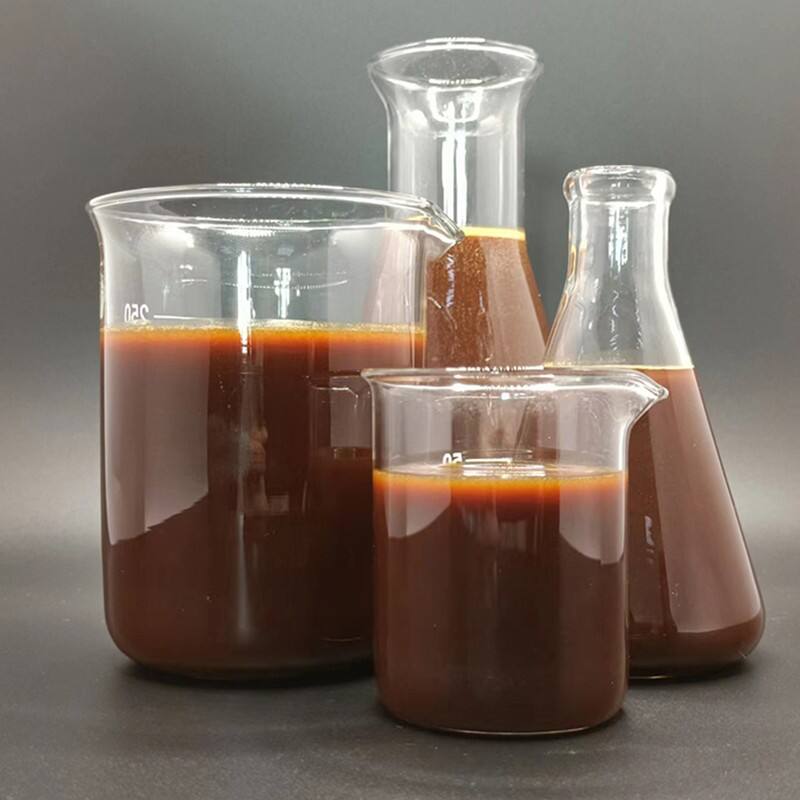
CSL Powder 42% Composition: Unlocking Bioactive Nutrients for Enhanced Uptake
NPK Profile and Organic Nitrogen Forms in CSL Powder
CSL powder 42% delivers a balanced NPK (Nitrogen–Phosphorus–Potassium) profile with nitrogen predominantly in organic forms—amino acids and small peptides—that are rapidly mineralized by soil microbes into plant-available ammonium. This biologically mediated, slow-release mechanism reduces nitrogen leaching by 30–40% compared to urea (Ponemon, 2023), while sustaining nutrient supply across critical growth windows. Its fully water-soluble structure ensures seamless integration into drip, pivot, and foliar delivery systems—supporting precision agriculture without clogging or residue.
Amino Acids, Chelators, and Water-Soluble Corn Solids That Improve Bioavailability
Derived from corn steep liquor, CSL powder contains 18+ free amino acids that function as natural chelators, binding micronutrients like zinc and iron to prevent fixation in high-pH or calcareous soils. These amino acid–metal complexes increase micronutrient mobility by up to 60%, significantly enhancing root uptake. Concurrently, water-soluble corn solids—comprising ~35% of the powder—serve as an immediately available carbon source for rhizobacteria, stimulating microbial activity that accelerates nitrogen mineralization. Field trials confirm crops treated with CSL powder achieve 20% higher nutrient-use efficiency than those receiving conventional soluble fertilizers, reflecting this synergistic action of nutrient protection and microbial activation.
Why Water Solubility Makes CSL Powder a Superior Nutrient Delivery Agent
Water solubility is the cornerstone of CSL powder’s performance advantage: it dissolves completely within minutes in irrigation water or spray tanks, forming a stable, homogeneous solution that delivers nutrients directly to root zones or leaf surfaces—without dependency on microbial breakdown or favorable soil conditions. Unlike granular or insoluble sources, this instant availability eliminates nutrient lock-up, especially in alkaline soils where phosphorus and trace elements commonly bind to calcium or iron oxides. Field data shows soluble nutrients from CSL powder are absorbed 30–50% faster than those from conventional sources, a difference that proves decisive during rapid-growth phases such as maize tasseling—where soluble-fertilizer-treated plots demonstrated 19% higher nitrogen assimilation in 2023 trials. Its solubility also enables flexible, low-waste application via drip irrigation, center-pivot systems, or foliar sprays, reducing environmental leaching by up to 40% compared to broadcast granular applications.
Strategic Application of CSL Powder: Soil vs. Foliar Methods and Crop-Specific Dosage
Field-Validated CSL Powder Application Rates (kg/ha) for Cereals, Vegetables, and Legumes
Optimal CSL powder use hinges on matching delivery method and rate to crop physiology, growth stage, and soil context. Soil application supports sustained root-zone nutrition and microbial priming, while foliar application leverages direct stomatal and cuticular absorption for rapid correction of deficiencies—especially during high-demand phases like flowering or grain fill.
- Cereals (e.g., wheat, barley): 20–30 kg/ha applied to soil at planting or tillering; foliar rates drop to 5–10 kg/ha, applied in 1–2 sprays during stem elongation or booting.
- Vegetables (e.g., tomato, pepper): 15–25 kg/ha soil-applied pre-plant or at transplant; supplemented with 2–3 foliar sprays at 3–5 kg/ha each, timed around flowering and fruit set.
- Legumes (e.g., soybean, pea): 10–15 kg/ha soil-applied to support early nodulation and rhizobial colonization; foliar rates remain low (2–5 kg/ha) to address transient micronutrient gaps without disrupting symbiosis.
Soil texture and climate further refine dosing: heavy clay soils may require 15–20% higher basal rates to offset slower diffusion, whereas sandy soils benefit from split foliar applications to counter rapid leaching. All protocols prioritize minimizing salt accumulation and leaching risk—validated through multi-season field trials across diverse agroecological zones.
| Crop Category | Soil Application (kg/ha) | Foliar Application (kg/ha) | Key Adaptation Factors |
|---|---|---|---|
| Cereals | 20–30 | 5–10 | Growth stage, soil organic matter |
| Vegetables | 15–25 | 3–5 (per spray) | Fruit development phase |
| Legumes | 10–15 | 2–5 | Nodulation status, soil pH |
CSL Powder as a Biostimulant: Fueling Beneficial Microbes to Amplify Nutrient Availability
CSL Powder as a Carbon Source for Rhizobacteria and Its Role in Nitrogen Mineralization
CSL powder 42% functions not only as a nutrient source but as a targeted biostimulant—its water-soluble corn solids and free amino acids provide readily metabolizable carbon that primes rhizosphere microbiomes. Within 48 hours of application, PGPR (Plant Growth-Promoting Rhizobacteria) populations increase by 50–70%, accelerating enzymatic nitrogen mineralization and unlocking native soil fertility. This microbial surge drives measurable gains: daily mineralization rates rise by 0.8–1.2 kg N/ha during peak vegetative growth, and nitrogen-use efficiency improves by up to 30%. Critically, these microbes perform three complementary functions—releasing organic acids to solubilize bound nutrients, secreting enzymes that depolymerize complex organics, and (in legume systems) enhancing atmospheric nitrogen fixation. As a result, CSL powder shifts fertilizer strategy from passive supplementation to active biological catalysis—transforming soil from a storage medium into a dynamic, self-amplifying nutrient engine.
FAQs
- What is CSL powder composed of, and what are its key benefits? CSL powder is derived from corn steep liquor and consists of free amino acids, small peptides, water-soluble corn solids, and other nutrients. It supports slow-release nitrogen delivery, enhances micronutrient uptake, and stimulates microbial activity for better crop performance.
- How does the water solubility of CSL powder contribute to nutrient delivery? CSL powder dissolves rapidly in water, forming a stable solution. This ensures efficient nutrient application via drip irrigation, foliar sprays, or pivot systems, minimizing lock-ups and leaching.
- What is the recommended dosage for different crops? Application rates vary by crop type: cereals (20–30 kg/ha soil-applied, 5–10 kg/ha foliar), vegetables (15–25 kg/ha soil, 3–5 kg/ha foliar), legumes (10–15 kg/ha soil, 2–5 kg/ha foliar).
- How does CSL powder function as a biostimulant? The product acts as a carbon source for soil microbes, boosting rhizosphere bacteria and nitrogen mineralization rates, which amplifies nutrient availability and efficiency for crops.
- Can CSL powder address specific soil challenges? Yes, it prevents nutrient fixation in calcareous and high pH soils and supports sandy soils prone to nutrient leaching with split applications.
Table of Contents
- CSL Powder 42% Composition: Unlocking Bioactive Nutrients for Enhanced Uptake
- Why Water Solubility Makes CSL Powder a Superior Nutrient Delivery Agent
- Strategic Application of CSL Powder: Soil vs. Foliar Methods and Crop-Specific Dosage
- CSL Powder as a Biostimulant: Fueling Beneficial Microbes to Amplify Nutrient Availability