 EN
EN

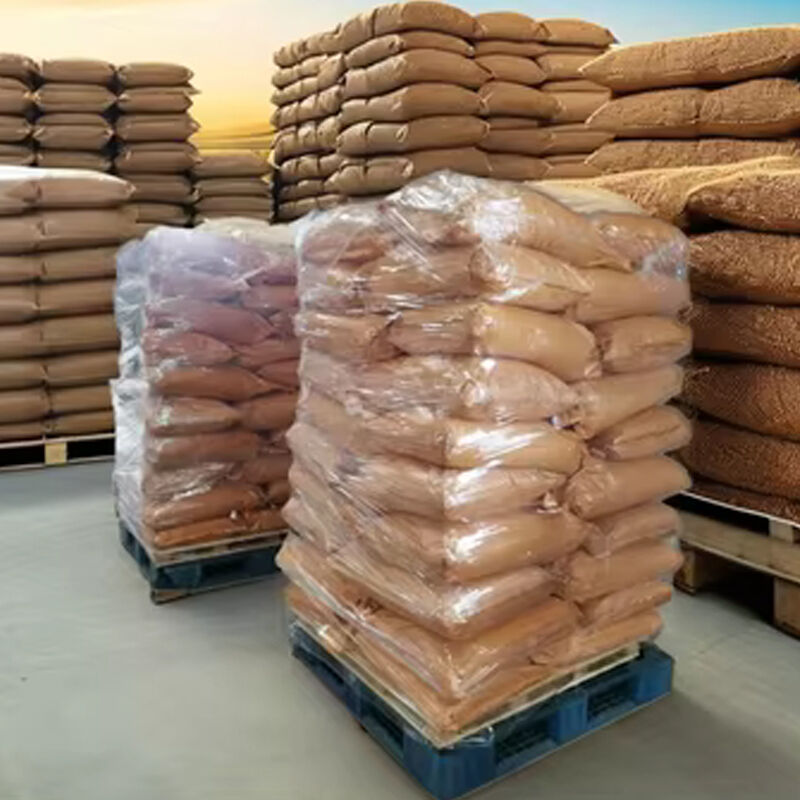
What Is Corn Steep Liquor Powder 42%? Nutrient Profile and Agricultural Value
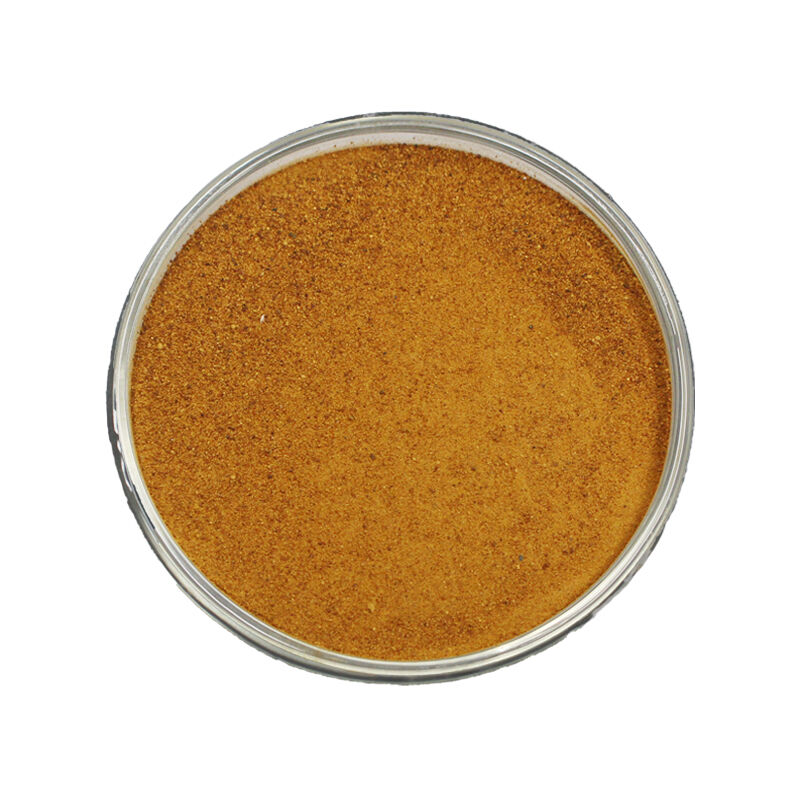
Corn steep liquor powder 42% is a concentrated organic amendment derived from the corn wet-milling process. It contains 4–6% total nitrogen—primarily in highly bioavailable forms such as free amino acids (e.g., glutamic acid, lysine) and soluble peptides—which directly support chlorophyll synthesis, protein formation, and enzymatic activity in plants. Its naturally occurring B-vitamins (notably thiamine and riboflavin), along with organic acids and growth-promoting metabolites, enhance plant resilience under abiotic stress.
Nitrogen Content, Amino Acids, and Bioactive Metabolites in Corn Steep Liquor Powder
The powder’s nitrogen is rapidly mineralized due to its high proportion of water-soluble proteins and low-molecular-weight peptides. Free amino acids act not only as direct nitrogen sources but also as natural chelators, improving root uptake of iron, zinc, and manganese. Peer-reviewed studies confirm that its bioactive compounds stimulate early colonization by beneficial rhizobacteria—including Bacillus and Pseudomonas species—enhancing soil nutrient cycling and root system development, particularly in degraded or low-organic-matter soils.
Organic Acid Benefits: Lactic Acid and Solubilization of Soil Nutrients
Lactic acid constitutes 8–12% of the powder and plays a dual role: it lowers rhizosphere pH, increasing phosphorus and potassium solubility—especially in calcareous or alkaline soils—and creates competitive inhibition against soil-borne pathogens like Fusarium and Pythium. Field trials in pepper and tomato production demonstrated up to 30% greater phosphorus availability and significantly improved iron/zinc absorption under nutrient-limited conditions, confirming its value in micronutrient-deficient systems.
Optimal Application Methods for Corn Steep Liquor Powder
Soil Application: Drenching, Incorporation, and Root-Zone Targeting
For soil delivery, dissolve corn steep liquor powder at a 1:200 ratio (5 g per liter) in irrigation water and apply via drenching or drip injection to saturate the active root zone. Incorporating 5–10 cm into topsoil prior to planting jumpstarts microbial activity and improves nitrogen retention. Precision placement within 30 cm of roots—using drip lines or injection probes—increases phosphorus and potassium bioavailability by 15–30% compared to broadcast application, aligning with best practices outlined in USDA-ARS agronomy guidelines for organic amendments.
Foliar Application: Dilution Ratios, Timing, and Absorption Efficiency
Foliar sprays should be prepared at 0.5–1% concentration (5–10 g/L), applied during early morning or late afternoon when stomatal conductance and leaf surface moisture retention are optimal. Reapplication every 14–21 days sustains amino acid supply without phytotoxicity. Controlled-environment trials show >90% foliar uptake within four hours under moderate temperature (25°C) and humidity (>60%), correlating with an 18% increase in chlorophyll content in cereal crops—a response consistent with peer-reviewed findings on amino acid–mediated photosynthetic enhancement.
Dosage Guidelines and Field-Scale Implementation of Corn Steep Liquor Powder
Recommended Rates for Crops and Soils: From Greenhouse Trials to 10a–1000 kg/10a Scaling
Application rates must be calibrated to crop demand, soil health, and growth stage. In greenhouse settings, 0.5–2% solutions (5–20 g/L) delivered as 100–200 mL drenches per plant reliably boost nitrogen availability while avoiding salinity stress. At field scale, recommended rates range from 100–1000 kg per 10a (1–10 metric tons per hectare), adjusted using soil test data:
| Factor | Low-Rate Scenario (100–300 kg/10a) | High-Rate Scenario (700–1000 kg/10a) |
|---|---|---|
| Soil Type | Fertile loams | Sandy or organically depleted soils |
| Crop Demand | Leafy greens, legumes | Corn, sugarcane, tomatoes, heavy feeders |
| Growth Phase | Early vegetative | Tasseling, fruit set, or peak biomass accumulation |
Corn may require up to 800 kg/10a during tasseling; however, exceeding 1000 kg/10a in clay soils risks salinity spikes of 15–30%, based on 2023 multi-location field data. For uniform distribution, calibrate mechanical spreaders to target root-zone coverage. Split applications—50% pre-planting and 50% mid-season—are strongly advised to maintain steady nutrient supply, reduce pH volatility, and improve nitrogen use efficiency.
Key Precautions and Limitations When Using Corn Steep Liquor Powder
Managing Salt Accumulation, pH Shifts, and Microbial Compatibility Risks
Corn steep liquor powder’s inherent acidity (pH 3.5–4.5) and soluble salt content necessitate proactive management. In poorly drained or saline-prone fields, monitor soil electrical conductivity (EC) monthly; initiate leaching irrigation if EC exceeds 2.5 dS/m. Progressive acidification of neutral-to-alkaline soils can occur with repeated use—apply calcitic lime at 50–100 kg/10a if soil pH falls below 5.8. While the powder promotes beneficial microbes like Pseudomonas fluorescens, co-application with Trichoderma-based inoculants requires compatibility testing: unverified combinations reduced symbiotic nitrogen fixation by 18% in soybean trials. Always conduct small-scale soil assays before full-field deployment to validate local microbial responses, salinity thresholds, and pH buffering capacity.
FAQ Section
What is Corn Steep Liquor Powder 42% used for?
Corn steep liquor powder 42% is used as a concentrated organic amendment to improve soil health, enhance nutrient uptake, and boost plant growth through its bioavailable nitrogen, amino acids, and organic acids.
How is Corn Steep Liquor Powder applied?
You can apply it via soil drenching, incorporation, or foliar sprays. Ensure proper dilution—typically 1:200 for soil and 0.5–1% for foliar applications—to optimize nutrient uptake.
What crops can benefit most from Corn Steep Liquor Powder?
Crops like corn, sugarcane, tomatoes, legumes, and leafy greens benefit significantly from Corn Steep Liquor Powder, particularly in nutrient-deficient or degraded soils.
What precautions should I take when using Corn Steep Liquor Powder?
Monitor soil salinity and pH levels, as excessive use may cause salt accumulation or acidification. Conduct small-scale tests before large-scale application, especially when combining with microbial inoculants.