 EN
EN

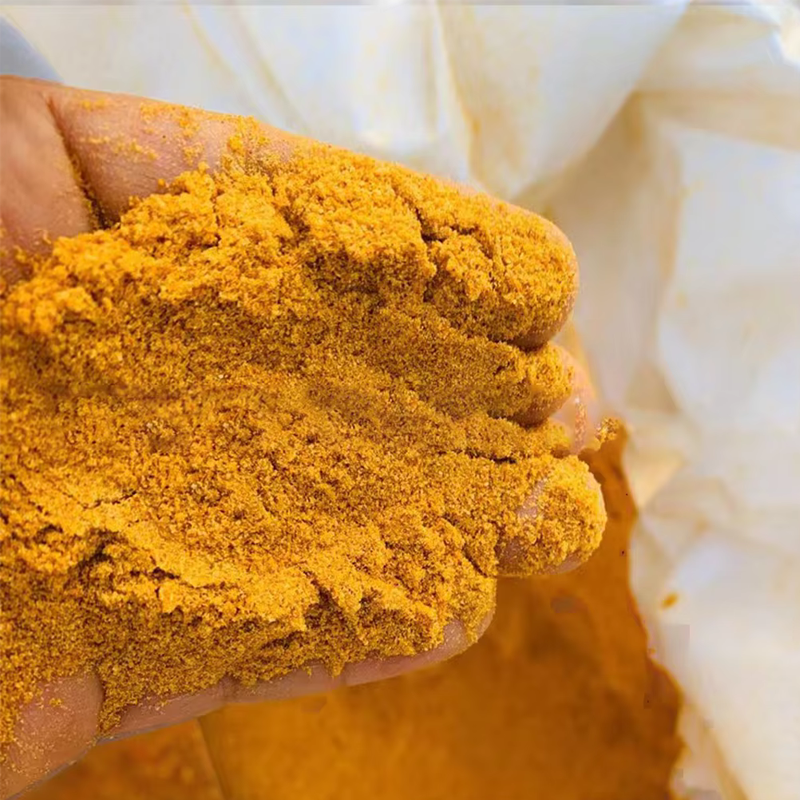
Understanding Corn Gluten Meal 60%: Composition, Variability, and Feed-Grade Requirements
Protein Profile and Batch-to-Batch Nutrient Variability in Corn Gluten Meal
Corn gluten meal (CGM) is standardized to contain 60–65% crude protein, positioning it as a high-density, cost-effective protein source for livestock feeds. However, its nutrient composition—including amino acid profile, digestibility, and energy content—varies meaningfully between batches due to differences in corn genetics, harvest conditions, and processing parameters (e.g., wet-milling efficiency, drying temperature). This variability directly impacts functional performance: for instance, methionine concentration—the first limiting amino acid in many cereal-based diets—can fluctuate by ±8%, affecting muscle synthesis and immune resilience in growing animals.
Typical compositional ranges reflect this inherent variability:
| Nutrient | Percentage Range |
|---|---|
| Crude Protein | 60–65% |
| Crude Fat | 2–4% |
| Crude Fiber | 1–3% |
| Ash | 1–2% |
High-temperature drying (>95°C) may reduce lysine bioavailability by up to 15% through Maillard reactions, compromising growth efficiency in monogastric species. Because CGM lacks standardized digestibility coefficients across suppliers, routine laboratory analysis—especially of soluble protein fractions and reactive lysine—is essential for precision formulation. Relying solely on guaranteed analysis labels risks under- or over-supplementing critical amino acids, particularly when substituting for soybean meal or fish meal.
Feed-Grade vs. Herbicide-Grade Corn Gluten Meal: Regulatory and Safety Distinctions
Feed-grade corn gluten meal is produced under strict food safety and feed manufacturing standards, including mandatory testing for mycotoxins (e.g., aflatoxin <20 ppb), heavy metals, pesticide residues, and microbial contaminants. It complies with AAFCO definitions and regional equivalents (e.g., EU Regulation No. 1831/2003), requiring full nutritional labeling and traceability documentation. In contrast, herbicide-grade CGM—marketed for lawn and landscape use—is not subject to these safeguards and frequently contains unregulated levels of pre-emergent herbicides (e.g., pendimethalin), mycotoxins, and microbial spoilage agents that pose acute health risks to livestock.
Certification of analysis (CoA) is non-negotiable before inclusion in animal diets. A valid CoA must verify compliance with AAFCO’s Official Publication standards for corn gluten meal, including minimum protein, maximum fiber, and contaminant thresholds. Never substitute herbicide-grade material—even at low inclusion rates—as residual chemical load cannot be reliably diluted to safe levels.
Dosage Guidelines and Species-Specific Feeding Strategies for Corn Gluten Meal
Ruminants: Safe Inclusion Rates and Rumen Adaptation Protocols
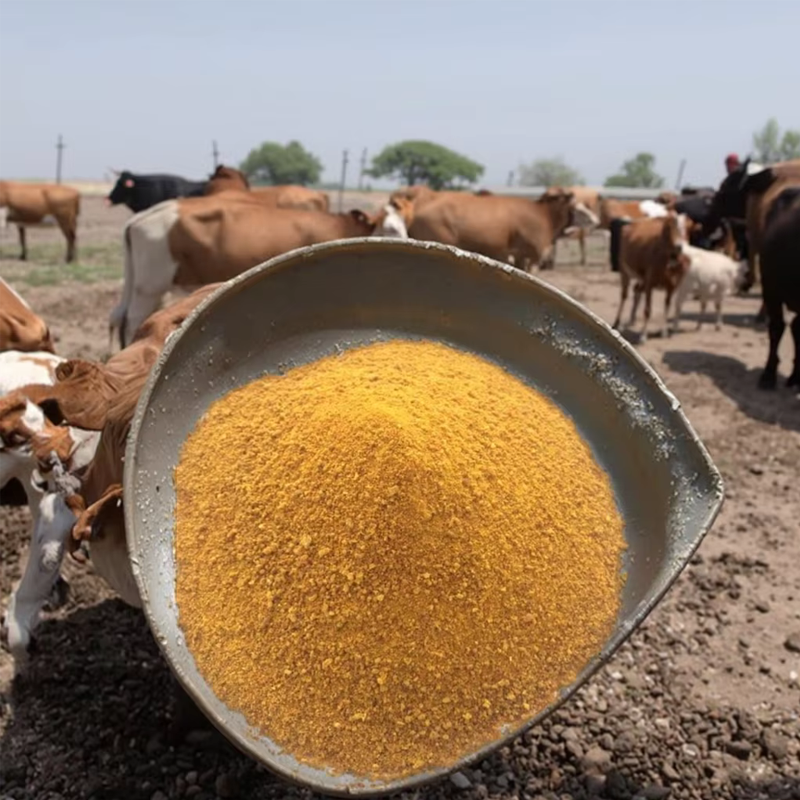
In cattle and sheep, corn gluten meal can serve as an effective rumen-undegradable protein (RUP) source, but inclusion must be carefully managed to avoid sulfur toxicity and metabolic disruption. Limit CGM to ≤5% of total dry matter (DM) intake. Begin feeding at 1–2% DM and increase gradually over 14–21 days to allow rumen microbial populations to adapt to elevated sulfur and reduced fermentable carbohydrate availability.
Critical safeguards include:
- Maintaining total dietary sulfur below 0.4% DM
- Ensuring ≥40% neutral detergent fiber (NDF) from high-quality forage to support rumen health
- Supplementing thiamine (e.g., 10–20 mg/kg DM) when inclusion exceeds 3%, especially during transition periods
Failure to follow this protocol increases risk of polioencephalomalacia (PEM)—a thiamine-deficiency disorder linked to hydrogen sulfide accumulation in the rumen.
Poultry and Swine: Limitations, Palatability Considerations, and Replacement Ratios
Corn gluten meal can replace 25–50% of soybean meal in poultry rations only when supplemented with synthetic lysine and methionine, given its naturally imbalanced amino acid profile. Its xanthophyll content supports yellow pigmentation in broilers but may cause undesirable yolk darkening in layers if inclusion exceeds 7%—requiring careful balancing with low-pigment alternatives.
In swine, CGM inclusion should not exceed 10–15% of the diet due to:
- Bitter-tasting peptides that reduce feed intake, particularly in nursery pigs
- Lower lysine digestibility (~75–80%) compared to fish meal (~95%)
- Phosphorus:calcium imbalance, which elevates urinary calculi risk without corrective mineral supplementation
Pelleting improves palatability and particle uniformity, while maintaining calcium:phosphorus ratios above 1.5:1 helps prevent urolithiasis in growing pigs. Starter diets (weaning to 15 kg) should restrict CGM to ≤5% to minimize gut irritation and support microbiome establishment.
Key Health Risks Associated with Improper Corn Gluten Meal Use
Sulfur Toxicity and Polioencephalomalacia (PEM) in Ruminants
Corn gluten meal contains ~0.9–1.1% sulfur—nearly triple that of soybean meal. When inclusion exceeds safe thresholds or combines with other high-sulfur ingredients (e.g., distillers grains, sulfate-containing minerals), ruminal microbes convert excess sulfate to hydrogen sulfide (H₂S), inhibiting thiamine synthesis and triggering PEM. Clinical signs include aimless walking, head pressing, cortical blindness, and recumbency; untreated cases progress to seizures and death, with mortality reaching 20% in severe outbreaks (Journal of Dairy Science, 2023).
Prevention hinges on three pillars: (1) limiting total dietary sulfur to <0.4% DM, (2) implementing gradual adaptation over ≥14 days, and (3) ensuring adequate dietary thiamine and sodium bicarbonate to buffer rumen pH and stabilize microbial function.
Phosphorus Imbalance and Urinary Calculi Risk in Beef Cattle and Small Ruminants
Corn gluten meal’s calcium-to-phosphorus ratio is inverted (~1:8), sharply contrasting the ideal 2:1 ratio required for skeletal development and urinary health. Unbalanced diets elevate urinary phosphate saturation, increasing struvite crystal formation by up to 30% in confined beef operations and male small ruminants—where narrow urethras predispose to life-threatening obstructions.
Mitigation requires proactive mineral management:
- Supplement limestone to achieve ≥2:1 Ca:P in the total diet
- Provide free-choice, clean water at all times (minimum flow rate: 2 L/min per head)
- For sheep and goats, limit CGM to ≤25% of concentrate portion and include ammonium chloride (0.5–1.0% of diet) to acidify urine and dissolve early crystals
Urine pH monitoring (target: 5.5–6.5) offers an early warning system in high-risk groups.
Storage, Handling, and Quality Preservation of Corn Gluten Meal
Corn gluten meal is highly susceptible to environmental degradation—particularly moisture absorption—which accelerates oxidative rancidity, protein denaturation, and mycotoxin proliferation. Under high-humidity conditions (>75% RH), protein solubility and amino acid availability decline by up to 15% within 30 days. To preserve nutritional integrity and ensure consistent performance:
- Environmental controls: Store at ≤75°F (24°C) and ≤60% relative humidity
- Containment: Use sealed, oxygen-barrier silos or food-grade bins with vapor-proof liners
- Handling protocols: Dedicate equipment exclusively to dry protein ingredients to prevent cross-contamination with fats, molasses, or medicated feeds
- Quality monitoring: Conduct biweekly visual and olfactory inspections for clumping, discoloration, or musty odors—and test moisture content monthly (ideal: ≤10.5%; reject if >12%)
Bulk storage demands additional vigilance: install temperature probes at multiple depths (top, middle, bottom) to detect internal hotspots (>90°F), which accelerate nutrient breakdown and mold growth. Enforce strict first-in-first-out (FIFO) inventory rotation—never blend old and new batches—to maintain batch-specific nutritional consistency and avoid feed rejection due to aflatoxin contamination or oxidized fat taint.
FAQs
What is the primary nutrient composition of corn gluten meal?
Corn gluten meal typically contains 60–65% crude protein, 2–4% crude fat, 1–3% crude fiber, and 1–2% ash, making it a high-density protein source for livestock feed.
How does variability in corn gluten meal affect animal feeding?
The nutrient composition of CGM, such as methionine levels, varies between batches, impacting muscle synthesis, immune resilience, and overall performance in animals.
Can herbicide-grade corn gluten meal be used for animal feed?
No, herbicide-grade CGM is unsafe for animal feed due to unregulated chemical residues like herbicides and potential microbial contaminants.
What are the risks of overfeeding corn gluten meal to ruminants?
Overfeeding CGM can lead to sulfur toxicity, potentially causing polioencephalomalacia (PEM), a thiamine deficiency disorder, in cattle and sheep.
What precautions are necessary for storing corn gluten meal?
Store CGM in a cool, dry environment (<75°F and <60% RH) using sealed, oxygen-barrier containers to prevent moisture absorption, spoilage, and mycotoxin growth.
Table of Contents
- Understanding Corn Gluten Meal 60%: Composition, Variability, and Feed-Grade Requirements
- Dosage Guidelines and Species-Specific Feeding Strategies for Corn Gluten Meal
- Key Health Risks Associated with Improper Corn Gluten Meal Use
- Storage, Handling, and Quality Preservation of Corn Gluten Meal
-
FAQs
- What is the primary nutrient composition of corn gluten meal?
- How does variability in corn gluten meal affect animal feeding?
- Can herbicide-grade corn gluten meal be used for animal feed?
- What are the risks of overfeeding corn gluten meal to ruminants?
- What precautions are necessary for storing corn gluten meal?