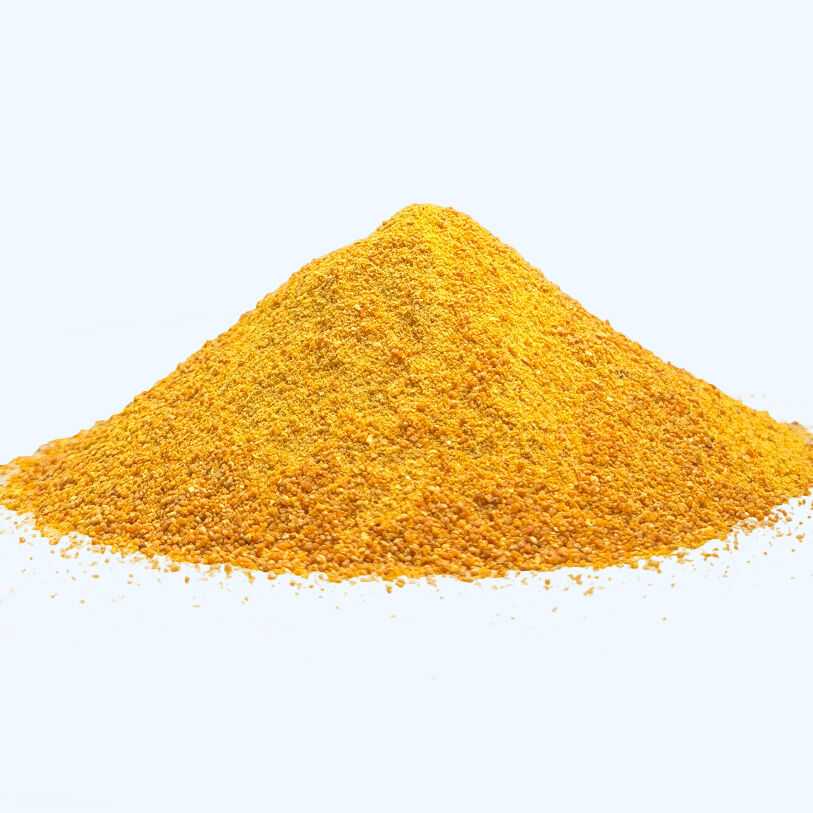
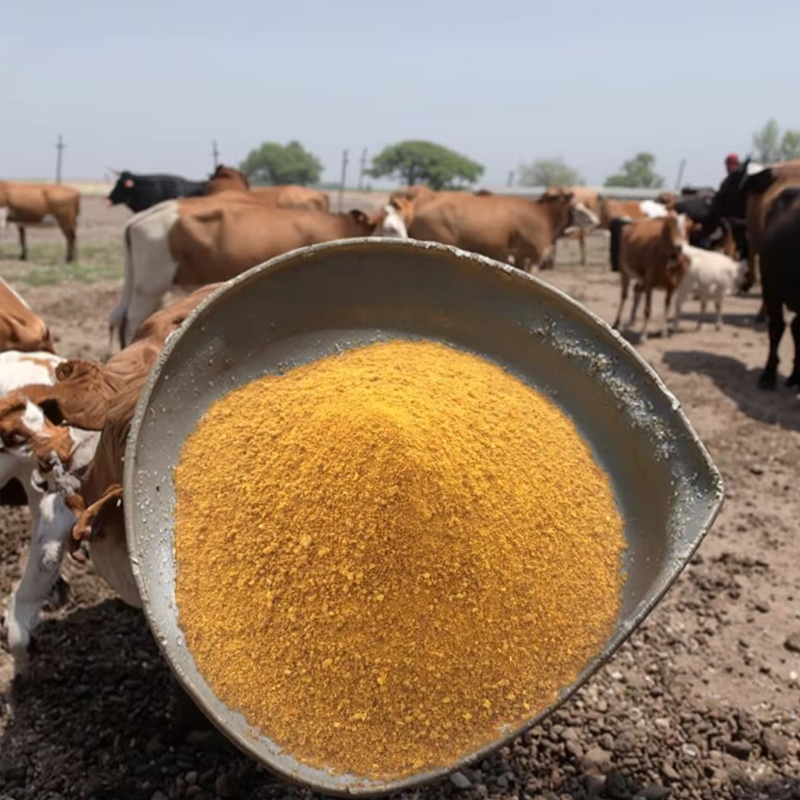
Understanding Nutrient Demand and Dosage Principles
Adjusting the dosage of Corn Gluten Meal 60% primes you for success for every livestock type's overall requirements. As a given assurance that productive results are achieved, Corn Gluten Meal 60% presents the livestock with the stable crude protein, which is the building, critical, energy, and amino acid sources needed for any productive livestock system, therefore, is clearly very adaptable. The central idea is balancing livestock's digestion that promotes productive feedback through the livestock system, while neither causing disruptions to the system, nor choked the requirement of the livestock system concerning feed.
Major animal nutrition advocates agree that plant protein supplementation is to be adjusted based on the fact that protein provides a safety net for the livestock system. Corn Gluten Meal 60% is highly adaptable in all the productive livestock systems, and is a safety net for livestock feed. The highly mixable and digestible nature ensures that every livestock feed system can employ precise dosage. The livestock nutritionists must consider the energy that the feed is to provide, the livestock's growth potential, and the livestock system's overall objectives, in order to ensure the final product promotes productive results.
Dosage Adjustment for Poultry (Broilers, Layers, Breeders)
Due to their rapid growth and high protein requirements, the dosage rates of corn gluten meal 60% should be calculated with the species, age, and production stage in mind. Starter diets for broilers contain high levels of amino acids and prescribe the dosage of 3%–6% of corn gluten meal to ensure proper growth and immune development. From the grower to the finisher stage, the dosage can be increased from 4% to 8% to ensure proper muscle deposition and improve the feed conversion ratio.
Layers have shown improvement in their egg production, eggshell quality and lustre, and yolk color, with the 4%–7% corn gluten meal 60%. These levels have also been correlated with consistent amino acid profile, particularly methionine, and reduced occurrence of abnormal eggs. Breeders also utilize 3%–5% for reproductive health and hatchability.
Based on my field evaluations, an optimization of corn gluten meal 60% dosage led to a more even growth and reduced feed costs on multiple poultry farms. Production and growth rates have shown increased flock uniformity, and our product has been reported to yield a stable and consistent production line when within our recommended guidelines. Its excellent flowability and mixing stability guarantee that every bird receives exactly the same nutrition.
Swine Feeding: Dosage Settings for Different Growth Stages
Swine have different digestive capacities and nutritional needs across growth phases, so dosage of corn gluten meal 60% must be carefully adjusted. Piglets have sensitive digestive systems and require moderate levels: 2%–4% in creep feeds helps support gut development without causing digestive stress.
Growing‑finishing pigs can use 4%–8% corn gluten meal 60% to support lean muscle growth and improve feed efficiency. Its high digestibility reduces undigested residues and supports gut health. Gestating and lactating sows need balanced nutrition; 3%–6% supports body condition, milk production, and litter quality.
Nutrition experts point out that highly digestible plant proteins improve nitrogen utilization and reduce environmental emissions. Our corn gluten meal 60% provides stable nutrients that match well with soybean meal and other feed ingredients, allowing flexible and reliable formulation. Many swine producers have lowered feed costs and maintained growth rates by optimizing inclusion levels.
Ruminant and Aquaculture Application Strategies
For ruminants such as cattle, sheep, and goats, corn gluten meal 60% serves as a bypass protein source that improves utilization efficiency. Dosage typically ranges from 5%–10% in dairy, beef, and fattening rations, supporting milk production, weight gain, and immune function. Its stable physical properties prevent separation in total mixed rations.
In aquaculture, including fish and shrimp, corn gluten meal 60% offers good water stability and high digestibility. Dosage varies by species: 5%–10% for omnivorous fish and 3%–8% for shrimp. It supports growth, stress resistance, and intestinal health.
Our long‑term project experience shows that proper dosage improves production efficiency and reduces feed waste. Customers worldwide use our corn gluten meal 60% across ruminant and aquaculture systems with consistent results. Its reliable quality supports sustainable farming and stable economic returns.
Practical Control, Quality Matching and Breeding Benefits
Practical dosage control must combine product quality, processing compatibility, and breeding goals. Our corn gluten meal 60% undergoes strict testing and quality control, ensuring consistent protein, moisture, and impurity levels. Uniform particle size allows stable mixing and reliable performance in pelleting and extrusion.
When adjusting dosage, producers should consider season, health status, and feed formula structure. Starting with low doses and gradually increasing allows observation of feed intake and growth response. Following scientific and standardized usage brings multiple benefits: improved feed efficiency, better growth performance, stable production index, and lower overall feeding cost.
Professional nutrition guidance and reliable raw material quality are essential for maximizing value. With years of experience in plant protein feed solutions, we provide technical support to help customers determine optimal dosage for different livestock. Using our corn gluten meal 60% helps achieve efficient, healthy, and sustainable livestock production.
 EN
EN