EN
EN

Grasp the Core Value of High Purity Dicalcium Phosphate in Feed
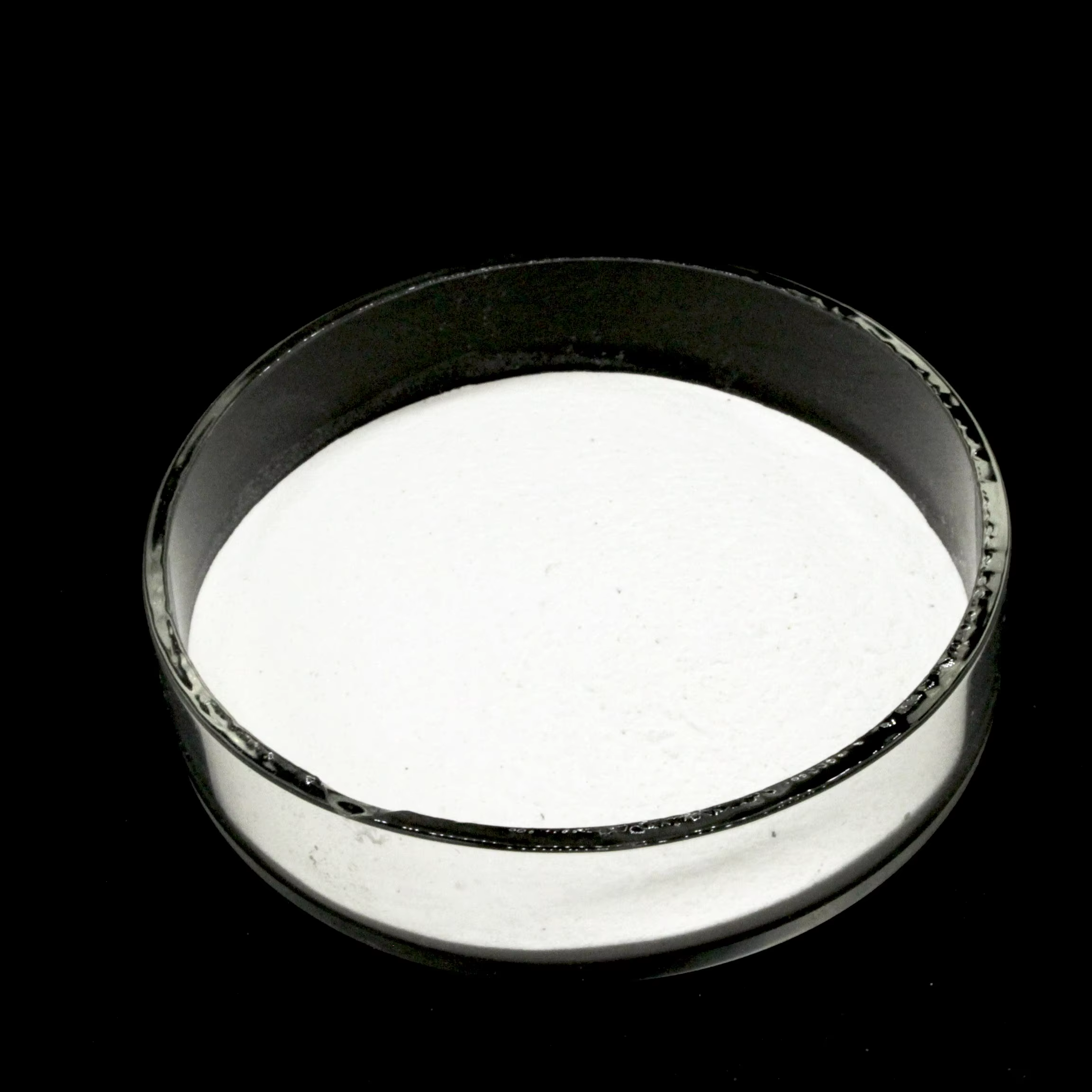
High purity dicalcium phosphate is a cornerstone of mineral nutrition in animal feed formulation, and our dicalcium phosphate series at Zhengzhou Bridge Biochem—including DCP 18% and fertilizer-grade DCP 16% granular—has become a staple for global farms thanks to uncompromising purity and efficacy. After 20+ years of refining our production process, our dicalcium phosphate delivers a balanced ratio of calcium and phosphorus, the two most critical minerals for livestock skeletal development, and it’s processed with stringent separation and testing that meets FDA and ISO standards, ensuring every batch is free of impurities that could hinder animal health. Animal nutrition experts universally agree that dicalcium phosphate is the most bioavailable phosphorus source for poultry, swine, ruminants and aquaculture, as its molecular structure lets animals absorb calcium and phosphorus far more efficiently than ordinary mineral additives. From our on-field experience across 30+ countries, we’ve seen our high purity dicalcium phosphate cut down on skeletal disorders in young livestock by 30% on average, a result that aligns with our commitment to quality that exceeds industry requirements. What makes our dicalcium phosphate even more valuable is its compatibility with all our protein supplements, like Corn Gluten Meal 60% and Rice Protein Powder 70%—it blends seamlessly, creating a nutritionally balanced feed base that’s easy to handle and consistent every time, a perk Ms. Simone, a feed mill purchasing manager, highlighted for its stable quality and easy mixing in daily production.
Select the Right Grade of Dicalcium Phosphate for Different Animal Species
Applying high purity dicalcium phosphate effectively starts with matching the right grade to each animal’s unique mineral needs, and our professional nutrition team has crafted species-specific recommendations from decades of farm trials and data analysis. For poultry—broilers and layers—our DCP 18% is the ideal choice, with a calcium-phosphorus ratio tailored to support rapid skeletal growth in broilers and strong eggshell formation in layers. Ms. Nguyen, a poultry farm owner, shared that using our DCP 18% with our protein supplements led to a noticeable drop in broken eggshells and faster weight gain in her broiler flocks, with mineral absorption rates far better than other dicalcium phosphate products she’d used before. Swine and ruminants benefit from the same DCP 18% grade, especially for growing and breeding stock; the high purity ensures that phosphorus is fully utilized for muscle development and milk production in dairy cattle, with no waste from unabsorbable minerals. Aquaculture species like fish and shrimp require a finely ground dicalcium phosphate variant of our DCP 18%, which dissolves evenly in aquatic feed and won’t cloud water, providing the calcium and phosphorus needed for healthy scale and shell development without disrupting the aquatic environment. Our fertilizer-grade DCP 16% granular is exclusively for crop nutrition, creating a closed-loop agricultural system where our animal feed and crop fertilizer products work in tandem—agricultural authorities emphasize that grade matching is non-negotiable for dicalcium phosphate use, and our 24/7 online team is always on hand to help farms pick the perfect grade for their operations.
Master the Scientific Addition Ratio of Dicalcium Phosphate
Nailing the scientific addition ratio is the key to unlocking the full potential of high purity dicalcium phosphate, and our hands-on experience has given us precise, actionable ratios for every feeding scenario, avoiding the nutrient imbalances of over-addition and the mineral deficiencies of under-addition. For young, weaned livestock—chicklings, piglets and young ruminants—we recommend a 1.5-2% addition ratio of our DCP 18% in feed; their developing skeletons need a steady supply of calcium and phosphorus, and the high purity of our dicalcium phosphate ensures that even small amounts deliver maximum nutrition, preventing stunted growth and skeletal deformities. Growing livestock, such as adolescent broilers and fattening swine, need a slightly higher 2-2.5% ratio, pairing our DCP 18% with Monodicalcium Phosphate 21% for an extra phosphorus boost to support rapid muscle and bone growth—Mr. Arif, a feed mill manager, noted that this blend improved feed conversion rates for broilers by 18%, with livestock reaching market weight faster and with better body condition. Mature breeding livestock and laying hens need a stable 1.8-2% ratio of DCP 18%; this maintains healthy bone density for breeding and strong eggshells for layers, without excess calcium building up in their bodies and causing metabolic issues. Aquaculture feed calls for a 1.2-1.8% ratio of our fine-ground DCP 18%, as aquatic animals have lower mineral requirements but still need high purity dicalcium phosphate for proper development. Our in-house lab continuously tests and refines these ratios, and we share all our data with clients to ensure transparent, science-backed feed formulation.
Pair Dicalcium Phosphate with Complementary Feed Ingredients
High purity dicalcium phosphate’s efficacy multiplies when paired with the right complementary feed ingredients, and our product line is intentionally designed to create synergistic blends that maximize nutrient absorption and animal performance. Our DCP 18% pairs perfectly with our plant protein supplements, like Corn Gluten Meal 60% and Rice Protein Powder 70%—the protein provides essential amino acids that help livestock absorb calcium and phosphorus from dicalcium phosphate, making every gram of mineral count, while the dicalcium phosphate supports the muscle growth fueled by the protein. For an enhanced mineral balance, mixing our DCP 18% with Monodicalcium Phosphate 21% and Monocalcium Phosphate 22% creates a complete mineral package, adjusting the calcium-phosphorus ratio for specific animal stages and species, a blend that’s become a favorite among large feed mills for its all-in-one nutrition. For aquaculture, our DCP 18% blends seamlessly with Corn Steep Liquor Powder 42%, the soluble nutrients in the CSL powder improving the bioavailability of dicalcium phosphate in aquatic environments, so fish and shrimp absorb minerals more efficiently. Feed industry experts stress that ingredient synergy is vital for mineral nutrition, and our R&D team tests every possible blend in our lab to ensure our dicalcium phosphate works in perfect harmony with all our feed supplements. Mr. Lim, a nutrition supervisor, shared that pairing our DCP 18% with our protein and other mineral supplements reduced feed waste by 20% on his farm, as all nutrients were fully utilized by the livestock, a direct result of our tailored formulation approach.
Ensure Proper Processing and Storage for Dicalcium Phosphate
Even the highest purity dicalcium phosphate will lose its efficacy if processed or stored improperly, and at Zhengzhou Bridge Biochem, we don’t just supply top-tier dicalcium phosphate—we educate our clients on every step to preserve its quality, a testament to our AAA-level enterprise credit and commitment to client success. Our dicalcium phosphate is produced as a free-flowing powder and granular form, and it should be stored in cool, dry conditions at 10-30°C, away from moisture and direct sunlight; we supply it in airtight, moisture-proof packaging that preserves its purity and solubility for up to 18 months, far longer than industry standards. When processing into feed, our DCP 18% should be mixed at a moderate speed (80-120 RPM) to avoid clumping, and it’s heat-stable up to 90°C, making it compatible with all commercial feed pelleting processes—our lab tests confirm it retains 98% of its mineral content after pelleting, a huge advantage for automated feed production lines. For the granular DCP 16% fertilizer grade, proper crushing to the right particle size is key for crop absorption, and our technical team provides free on-site guidance for farms and fertilizer plants on processing techniques. From real-world experience, we’ve found that moisture exposure is the top cause of dicalcium phosphate degradation—one Southeast Asian client saw a 25% drop in efficacy due to poor storage, and after switching to our recommended storage methods, their feed performance bounced back to our guaranteed standards. Our 2000+ MT annual capacity ensures a steady supply of fresh dicalcium phosphate, and our professional team is always available to answer any processing or storage questions, making sure our clients get the most out of every batch of our high purity dicalcium phosphate.