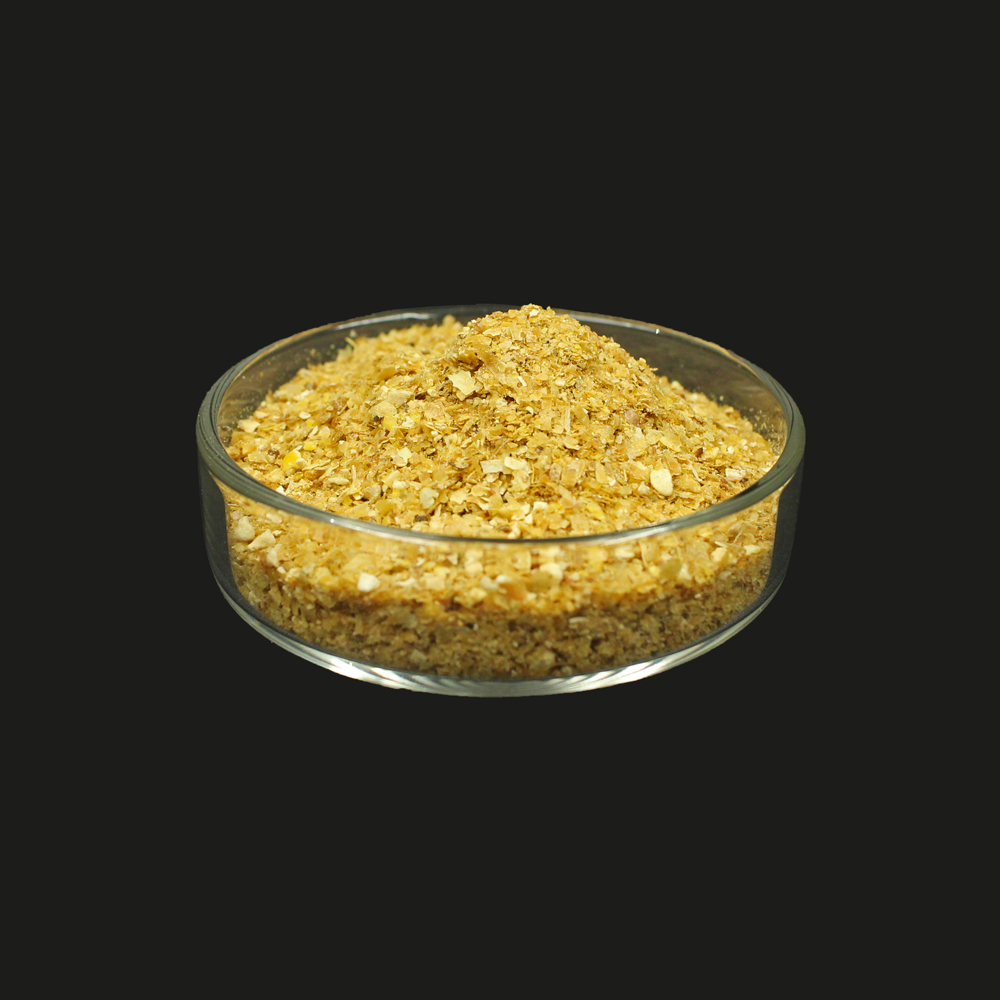
Corn gluten meal has emerged as a standout high-quality protein supplement, especially the 60% protein variant that delivers exceptional nutritional value for animals and even some plant applications. Derived from corn processing, this byproduct is a cost-effective, sustainable alternative to traditional protein sources like soybean meal or fish meal. Its high protein content, balanced amino acid profile, and good digestibility make it a versatile choice for livestock, poultry, aquaculture, and organic farming. Agronutritions, a leader in agricultural nutrition, produces premium corn gluten meal 60% with consistent quality, ensuring reliable protein supplementation across different sectors. Below is a practical guide to using corn gluten meal 60% effectively as a high-quality protein supplement.
Understand the Nutritional Advantages of Corn Gluten Meal
The primary reason corn gluten meal 60% excels as a protein supplement is its impressive nutritional profile. With 60% crude protein, it provides a concentrated source of amino acids—including lysine, methionine, and tryptophan—that are essential for animal growth, muscle development, and reproductive health. Unlike some plant-based proteins, corn gluten meal has a low fiber content, which enhances digestibility and nutrient absorption in animals. It also contains energy-dense carbohydrates and small amounts of vitamins (like B vitamins) and minerals (such as phosphorus and zinc), adding extra nutritional value beyond just protein. For organic farmers, corn gluten meal is a certified organic ingredient, aligning with natural feeding practices. Agronutritions’ corn gluten meal 60% is processed to retain these nutrients, ensuring it delivers consistent, high-quality protein for optimal animal performance.
Application in Livestock Feed Formulation
Corn gluten meal 60% is a valuable addition to livestock feed, supporting the growth and health of cattle, pigs, and sheep. For beef cattle, it can be included in finishing rations at 5% to 10% of the feed mix, providing the protein needed for muscle gain and weight development. Dairy cows benefit from 3% to 8% corn gluten meal in their diet, which supports milk production and improves milk protein content without disrupting rumen health. Pigs—especially grower-finisher pigs and breeding sows—thrive with 4% to 12% corn gluten meal, as it enhances feed conversion rates and supports fetal development in sows. Sheep and goats can tolerate 3% to 7% corn gluten meal in their rations, complementing forage-based diets with additional protein. When formulating livestock feed, mix corn gluten meal with other protein sources (like alfalfa meal or distillers grains) to balance amino acids and optimize nutrition. Agronutritions recommends adjusting inclusion rates based on animal age, weight, and production stage for best results.
Use in Poultry and Aquaculture Diets
Poultry and aquaculture species have high protein requirements, and corn gluten meal 60% is an excellent supplement to meet these needs. For broiler chickens, adding 5% to 10% corn gluten meal to feed supports rapid growth and strong skeletal development, while laying hens benefit from 3% to 6% inclusion to maintain egg production and eggshell quality. Turkeys and ducks can also be fed 4% to 8% corn gluten meal, enhancing their overall performance and feed efficiency. In aquaculture, corn gluten meal is a popular choice for fish (like tilapia, catfish, and salmon) and shrimp diets, with inclusion rates ranging from 8% to 15%. Its high protein content and digestibility make it ideal for aquatic species, which require nutrient-dense diets to thrive in water environments. It also helps reduce water pollution by minimizing undigested protein waste. Agronutritions’ corn gluten meal 60% is finely ground for easy mixing in poultry and aquaculture feeds, ensuring uniform nutrient distribution and consistent intake.
Application in Organic Farming and Plant Nutrition
Beyond animal feed, corn gluten meal 60% has a valuable role in organic farming as a natural plant protein supplement and weed suppressant. When applied to soil at 20 to 40 pounds per 1,000 square feet, it acts as a pre-emergent herbicide, inhibiting the germination of weed seeds (like crabgrass and dandelions) without harming established plants. As it breaks down in the soil, it releases nitrogen and protein, feeding beneficial microbes and improving soil fertility. It’s especially useful for vegetable gardens, flower beds, and lawns, supporting plant growth while reducing the need for chemical herbicides. For organic crop production, corn gluten meal can be mixed with compost or other organic fertilizers to create a nutrient-rich soil amendment that boosts crop yields and quality. Agronutritions advises applying corn gluten meal in early spring or fall, before weed seeds germinate, and watering it in lightly to activate its herbicidal and fertilizing properties.
Key Considerations for Effective Use
To maximize the benefits of corn gluten meal 60% as a protein supplement, several key considerations should be kept in mind. First, balance amino acids: while corn gluten meal is high in protein, it’s slightly deficient in lysine, so pairing it with lysine-rich ingredients (like soybean meal or fish meal) ensures a complete amino acid profile. Second, control moisture: corn gluten meal absorbs moisture easily, so store it in a cool, dry place in sealed containers to prevent clumping, spoilage, or mold growth. Third, avoid over-inclusion: excessive amounts of corn gluten meal can cause digestive issues (like bloating or diarrhea) in animals, so stick to recommended inclusion rates. Fourth, consider particle size: for young animals or aquatic species, use finely ground corn gluten meal to improve digestibility. Agronutritions provides technical support to help users determine the right inclusion rates and mixing methods, ensuring they get the most value from corn gluten meal 60% while maintaining animal and plant health.
 EN
EN