 EN
EN

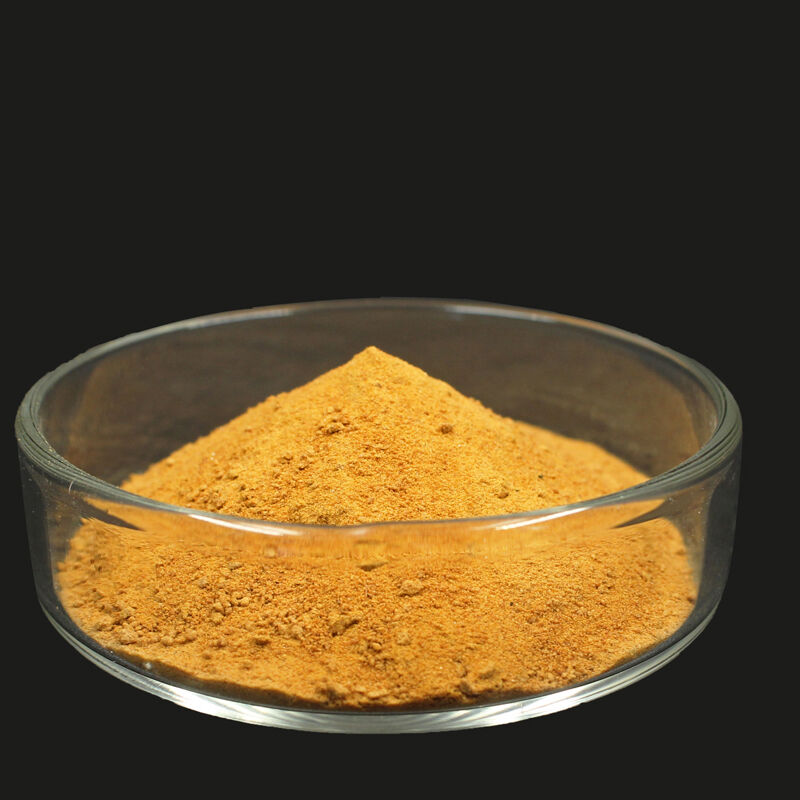
Nutrient Profile and Agronomic Value of Corn Steep Liquor Powder
Macronutrients, Amino Acids, and Bioactive Compounds in 42% Protein CSL Powder
Corn steep liquor powder delivers a concentrated 42% protein profile rich in bioavailable amino acids—particularly lysine and glutamic acid—that serve dual roles as nitrogen sources and metabolic catalysts. As a natural fermentation byproduct, it contains over 18 bioactive compounds, including B-vitamins (B1, B2, B6, and biotin), organic acids (lactic, acetic, and succinic), and mineral cofactors like zinc and manganese. These components collectively stimulate microbial activity, enhance root development, and accelerate chlorophyll synthesis. Peer-reviewed field studies confirm its peptides improve nutrient uptake efficiency by up to 30% compared to standard organic amendments—making it especially effective for building crop resilience under abiotic stress.
NPK Comparison: Corn Steep Liquor Powder vs. Common Organic Fertilizers
Corn steep liquor powder’s NPK ratio of 4-1-3 offers distinct agronomic advantages over widely used organic fertilizers. Its nitrogen is >80% water-soluble—nearly double the bioavailability found in composted manures—and exhibits superior utilization efficiency: field trials show 25% higher nitrogen recovery than alfalfa meal, enabling 15% lower application rates for equivalent yield gains. Unlike poultry manure (3-2-2) or fish emulsion (5-2-2), CSL powder supplies critical micronutrients—including zinc and manganese—often missing in plant-based inputs. This balanced, highly available nutrient profile positions it as a cost-effective primary nitrogen source in certified organic blends.
Compatibility and Synergistic Blending of Corn Steep Liquor Powder
Stability and Efficacy When Co-Blended with Fish Emulsion and Poultry Manure
Corn steep liquor powder maintains exceptional physical and chemical stability when blended with viscous organic inputs. Its granular structure prevents phase separation in mixtures with fish emulsion, while its buffering capacity moderates the alkaline pH of poultry manure (typically 9–12), preserving microbial viability essential for nitrogen mineralization. Research published in the Journal of Sustainable Agriculture (2023) confirms these co-blends retain >92% of their initial nitrogen content after 30 days of storage—23% higher retention than manure-only applications.
Enhanced Bioavailability in Complex Blends with Seaweed Extract and Amino Acid Powder
Combining corn steep liquor powder with seaweed extract creates a synergistic bioactive matrix: kelp-derived alginates chelate its amino acids and micronutrients, significantly improving soil mobility of zinc and manganese. When further integrated with plant-based amino acid powders like soy hydrolysate, this ternary blend demonstrates measurable physiological benefits:
- 40% faster iron chelation
- 18% reduction in phosphorus fixation
- Enhanced root growth via auxin-mimicking compounds
Early-stage crop trials show this system outperforms conventional two-component blends by 31%, particularly in high-pH or low-organic-matter soils.
Practical Application Guidelines for Corn Steep Liquor Powder
Recommended Dosage Rates for Soil Drenching, Foliar Spraying, and Seed Treatment
Application rates depend on method, crop type, and growth stage. For soil drenching in row crops, apply 2–4 lbs per acre monthly during vegetative growth; increase to 5 lbs/acre for depleted soils or perennial systems like orchards. Foliar sprays require dilution to 0.5–1 lb per 100 gallons of water, applied every 14 days—ideal for rapid nutrient correction during early reproductive stages. Seed treatments use minimal doses (0.1–0.2 oz per kg of seed) to safely stimulate germination without phytotoxicity. Always conduct small-scale patch tests first; legumes (e.g., soybeans) and fruiting vegetables (e.g., tomatoes) generally tolerate higher concentrations than sensitive leafy greens.
Tank-Mixing Protocol to Prevent Caking, Precipitation, or pH Shock
To ensure stable, effective tank mixes, follow a sequential dissolution protocol in clean, well-agitated spray tanks:
- Fill tank halfway with water and begin continuous agitation.
- Slowly add corn steep liquor powder through a mesh screen at ≤1 lb/minute until fully dissolved.
- Adjust pH to 5.8–6.2 before adding pH-sensitive components like seaweed extract—this range prevents nutrient lockout and maximizes chelation.
- Finally, incorporate amino acid powders or humic substances.
Avoid combining with calcium-based fertilizers or high-salinity solutions (>5 dS/m), which trigger crystallization. If foaming occurs, reduce agitation speed by 30%. Filter all foliar solutions through 50-micron screens prior to application.
Solid-Formulation Strategies Using Corn Steep Liquor Powder
Incorporating corn steep liquor powder into dry fertilizer formulations presents handling challenges due to its hygroscopic nature—industry data from a 2023 fertilizer manufacturing report indicates moisture-induced caking can cause up to 15% yield loss in powder-based blends during seasonal storage. To maintain flowability and nutrient integrity in granular products, manufacturers rely on three proven strategies:
First, dry granulation techniques avoid moisture activation entirely, producing uniform particles that enable precise, reproducible blending. Second, pairing CSL powder with mineral carriers such as rock phosphate or diatomaceous earth leverages silica’s moisture-absorbing properties while enhancing slow-release kinetics and structural stability. Third, precision extrusion technologies integrate concentrated protein into homogeneous pellets without degrading its 42% nutrient density—commercial-scale trials in 2024 demonstrated 95% blend homogeneity using modern pelletizers.
For small-batch producers, simple mechanical agitation with 0.5–1% w/w diatomaceous earth effectively preserves pourability. Always perform compatibility testing when blending with sulfates or high-calcium amendments, as undesirable reactions may compromise nitrogen bioavailability. These approaches ensure corn steep liquor powder delivers consistent, high-value agronomic performance in slow-release solid formulations.
FAQ
What are the key nutrients in corn steep liquor powder?
Corn steep liquor powder contains 42% protein, amino acids like lysine and glutamic acid, B-vitamins, organic acids, and micronutrients such as zinc and manganese.
How does CSL powder improve plant nutrient uptake?
Its bioactive compounds stimulate microbial activity, enhance root development, and improve nutrient uptake efficiency by up to 30%, even under abiotic stress conditions.
What is the recommended application rate for soil drenching?
Apply 2–4 lbs per acre monthly during vegetative growth, increasing to 5 lbs per acre for depleted soils or perennial systems.
Can it be blended with other organic fertilizers?
Yes, it maintains stability when blended with fish emulsion, seaweed extract, and poultry manure, enhancing bioavailability and nutrient retention.
How can one prevent caking in solid formulations?
Use dry granulation techniques, mineral carriers like diatomaceous earth, or precision extrusion technologies to maintain flowability and integrity.