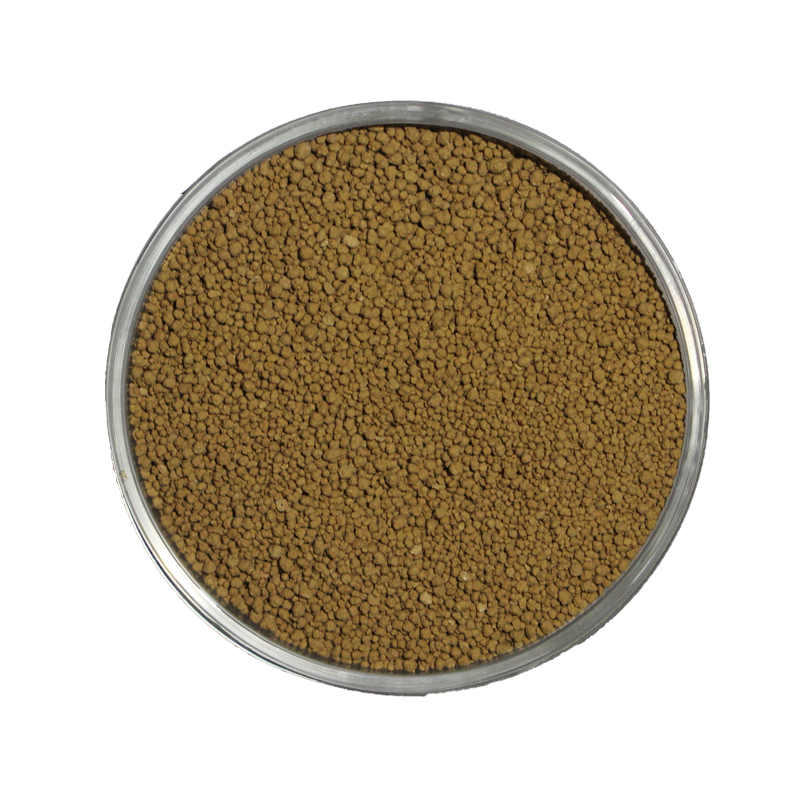
Natural-source glutamic acid residue has become a popular choice in animal feed formulation thanks to its high nutritional value and eco-friendly properties. Derived from natural fermentation processes, this ingredient is rich in protein and essential nutrients that support animal growth and health. As more farmers and feed manufacturers seek sustainable and cost-effective solutions, glutamic acid residue stands out for its ability to enhance feed quality without compromising on safety. Let’s explore how to effectively incorporate this natural ingredient into different types of animal feed.
Understanding the Nutritional Advantages of Glutamic Acid Residue
Glutamic acid residue is a nutrient-dense ingredient that offers multiple benefits for animal nutrition. With a protein content of around 70%, it provides a rich source of amino acids that are crucial for muscle development and overall growth in livestock and aquaculture species. Unlike some synthetic additives, natural-source glutamic acid residue is easily digestible, ensuring that animals can absorb and utilize its nutrients efficiently. It also contains trace minerals and vitamins that complement other feed ingredients, promoting balanced nutrition. For feed manufacturers, this ingredient is a cost-effective alternative to traditional protein sources while maintaining high quality standards.
Application in Poultry Feed
Poultry, including chickens and ducks, can greatly benefit from the addition of glutamic acid residue in their feed. When incorporated at the right dosage, it helps improve feed conversion rates, meaning less feed is wasted while supporting faster growth. For broilers, adding 3-5% glutamic acid residue to the feed has been shown to enhance weight gain and muscle development. Layers also benefit from this ingredient, as it supports consistent egg production and improves eggshell quality. The high digestibility of glutamic acid residue ensures that poultry can efficiently utilize the protein, reducing digestive issues and promoting overall health. It mixes well with other feed components like corn gluten meal and mineral supplements, making it easy to integrate into existing poultry feed formulas.
Usage in Swine and Ruminant Feed
Swine and ruminants such as cattle and sheep also respond positively to glutamic acid residue in their diets. For pigs, this ingredient supports healthy growth during the fattening period and improves feed efficiency. Adding 2-4% glutamic acid residue to swine feed helps reduce feed costs while maintaining optimal growth rates. In ruminant feed, it acts as a valuable protein source that complements forages and other roughages. The natural composition of glutamic acid residue makes it compatible with the digestive systems of ruminants, promoting rumen health and nutrient absorption. It also helps boost immunity, reducing the risk of common diseases in cattle and sheep. Feed formulators can adjust the dosage based on the age and weight of the animals to achieve the best results.
Tips for Effective Incorporation
To maximize the benefits of glutamic acid residue in animal feed, there are a few key tips to keep in mind. First, ensure proper mixing to distribute the ingredient evenly throughout the feed, preventing clumping and ensuring each animal gets a consistent amount of nutrients. It’s also important to follow recommended dosage guidelines, as excessive amounts may affect feed palatability. Combining glutamic acid residue with other natural ingredients like plant protein supplements and mineral nutrition can enhance its effectiveness, creating a well-balanced diet. Additionally, source the ingredient from reliable suppliers that adhere to quality and safety standards, such as those with certifications like FDA and ISO. Regular testing of the feed can help monitor nutrient levels and adjust formulations as needed.
Incorporating natural-source glutamic acid residue into animal feed is a smart choice for farmers and feed manufacturers looking to improve nutrition, reduce costs, and promote sustainability. Its versatility makes it suitable for various animal species, and its natural composition ensures safety and digestibility. By understanding its nutritional benefits and following proper application methods, you can enhance the performance of your livestock and aquaculture operations while supporting sustainable farming practices. Whether you’re formulating feed for poultry, swine, or ruminants, glutamic acid residue is a valuable ingredient that delivers results.
 EN
EN