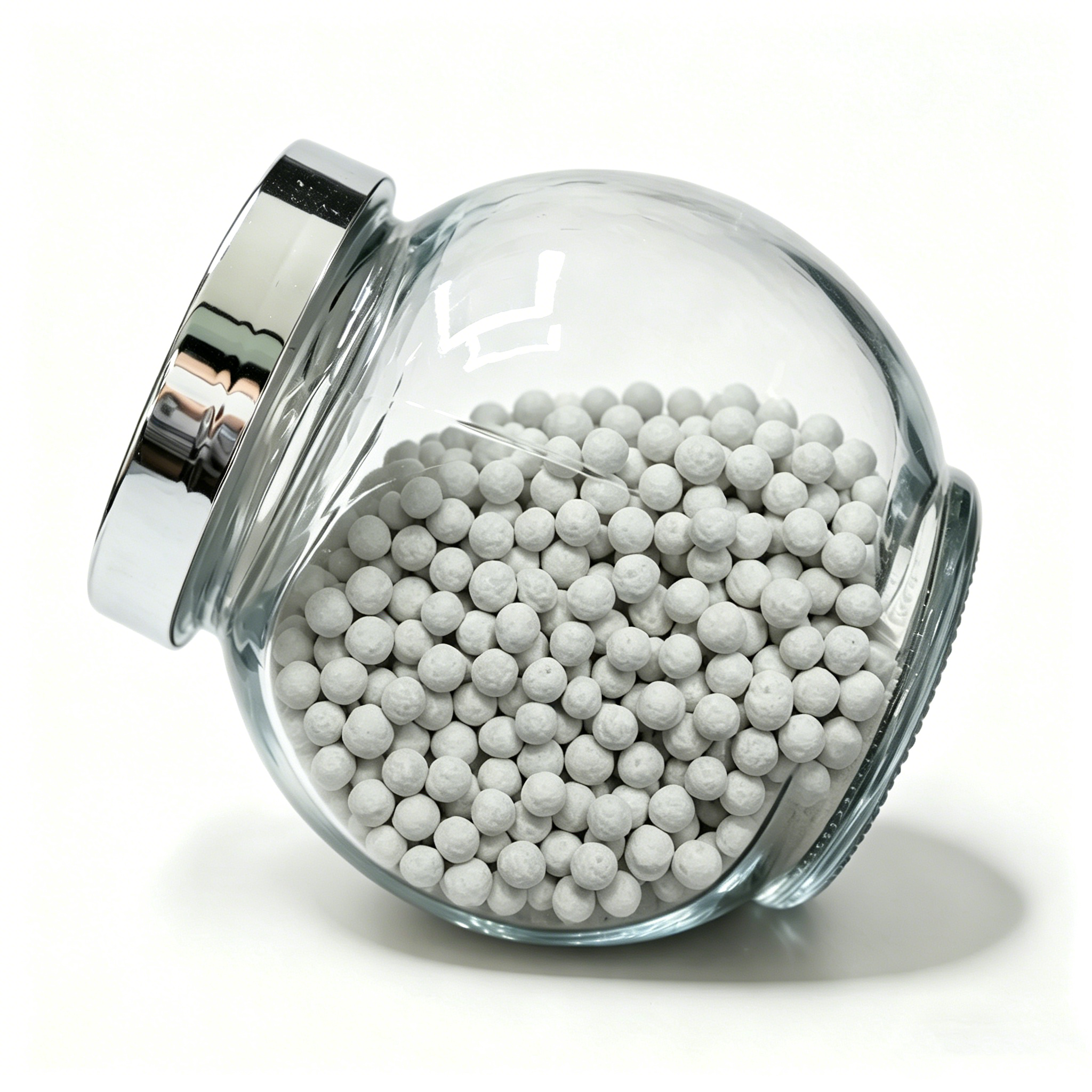
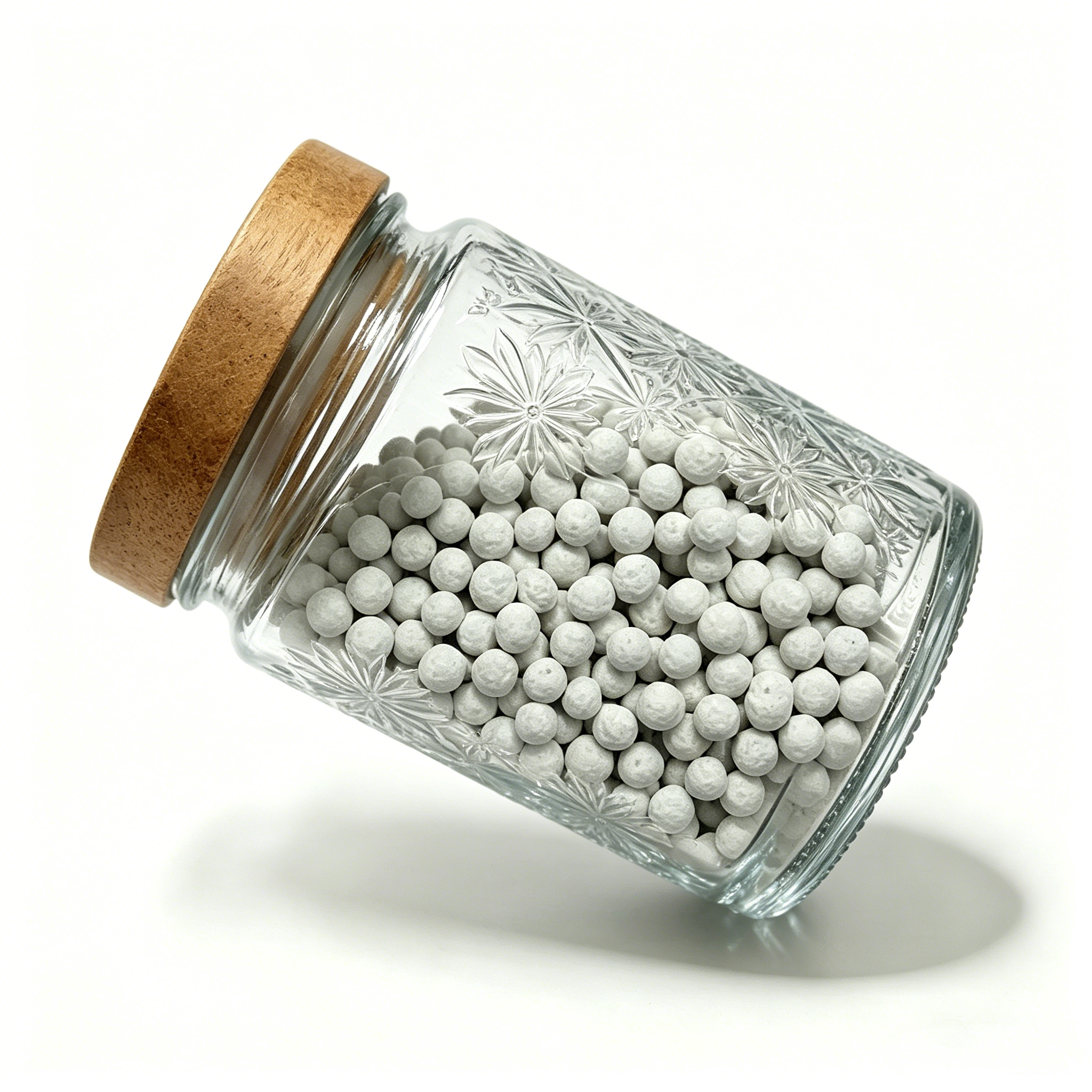
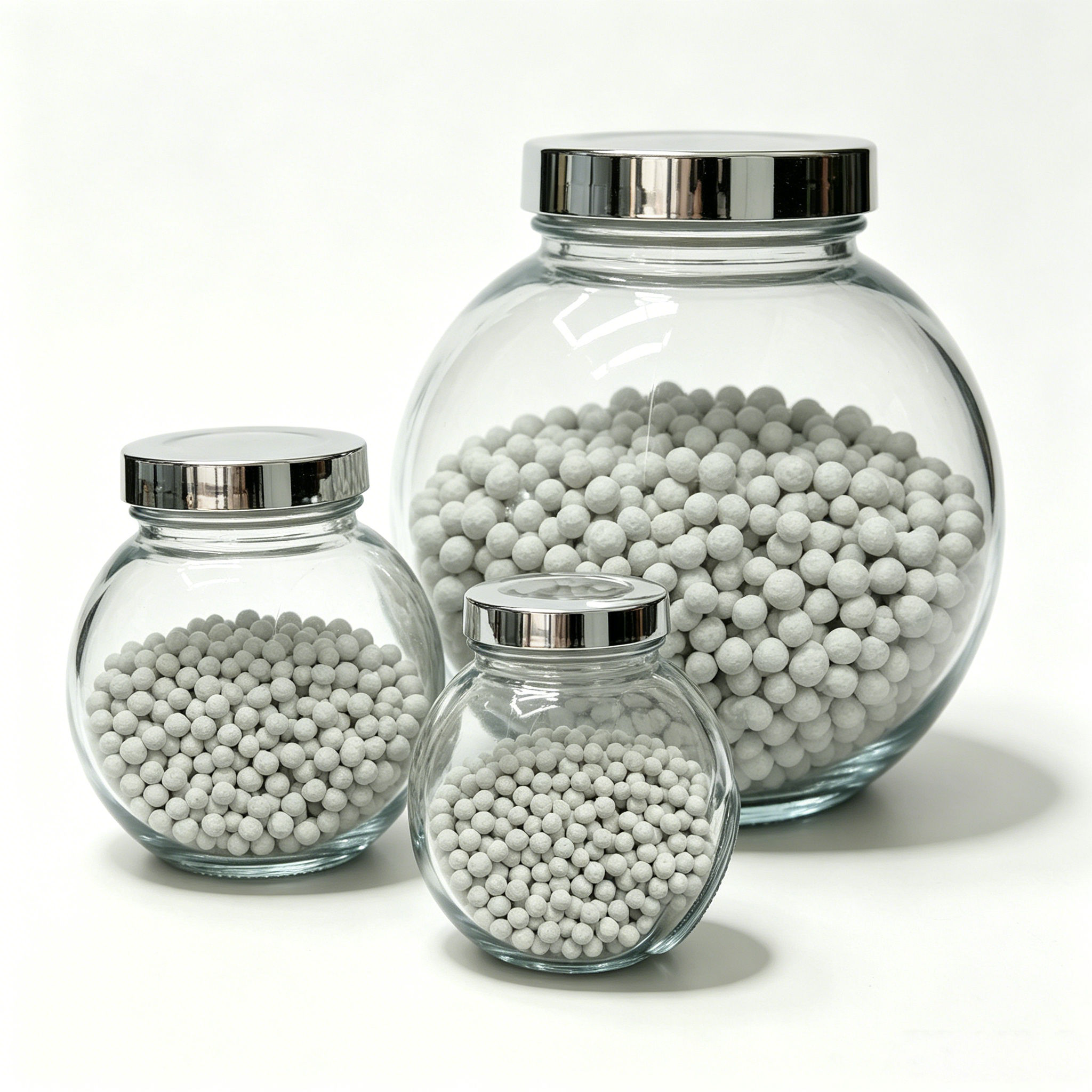
Struvite, commonly known as bird guano stone, is a crystalline mineral composed of magnesium ammonium phosphate. It is highly valued as a slow-release fertilizer and nutrient source in agriculture, known for its rich content of essential macronutrients, including nitrogen (N), phosphorus (P), and magnesium (Mg). Struvite is primarily used as a soil amendment, providing crops with balanced nutrition while promoting long-term soil health.
Struvite is a naturally occurring mineral that forms through a process called precipitation. It is primarily composed of magnesium ammonium phosphate, with the molecular formula (NH₄)MgPO₄·6H₂O. Struvite is commonly derived from organic waste materials, such as bird guano or wastewater treatment by-products, which are rich in magnesium, phosphorus, and nitrogen.
Struvite has gained recognition in sustainable agriculture as an eco-friendly and efficient nutrient source. Unlike traditional fertilizers, Struvite is a slow-release material, gradually providing nutrients to plants over an extended period. Its unique composition and slow-release properties make it highly effective in improving soil fertility, reducing nutrient leaching, and enhancing plant growth. It is particularly useful in organic farming systems and integrated nutrient management practices.
Struvite offers a sustainable way to recycle waste materials, turning them into valuable agricultural inputs while reducing environmental pollution. This mineral-based fertilizer is rich in both phosphorus and magnesium, essential nutrients that play a vital role in plant metabolism, photosynthesis, and overall growth. Additionally, Struvite has the potential to help mitigate phosphorus runoff, a common issue with synthetic fertilizers.
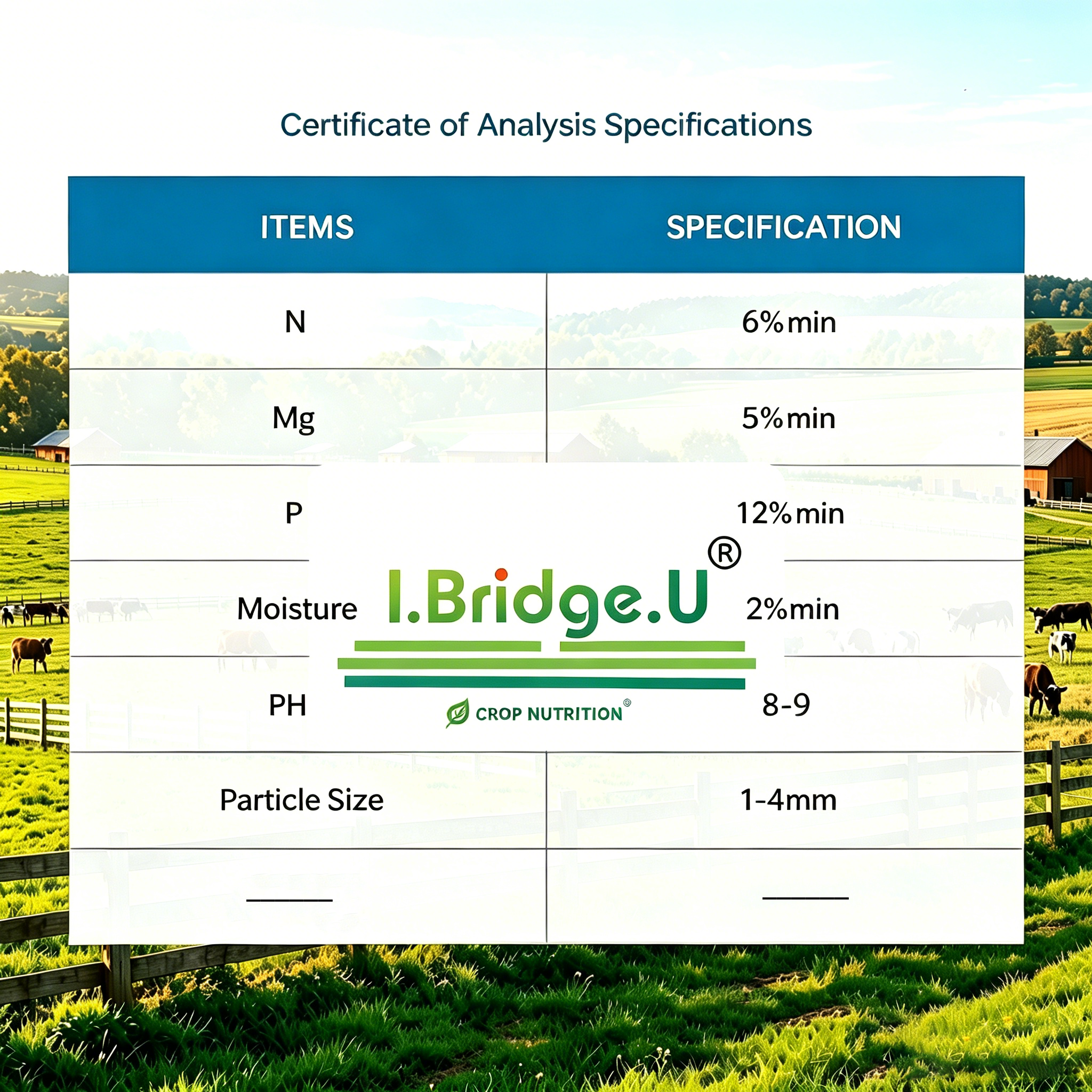
Typical Specifications
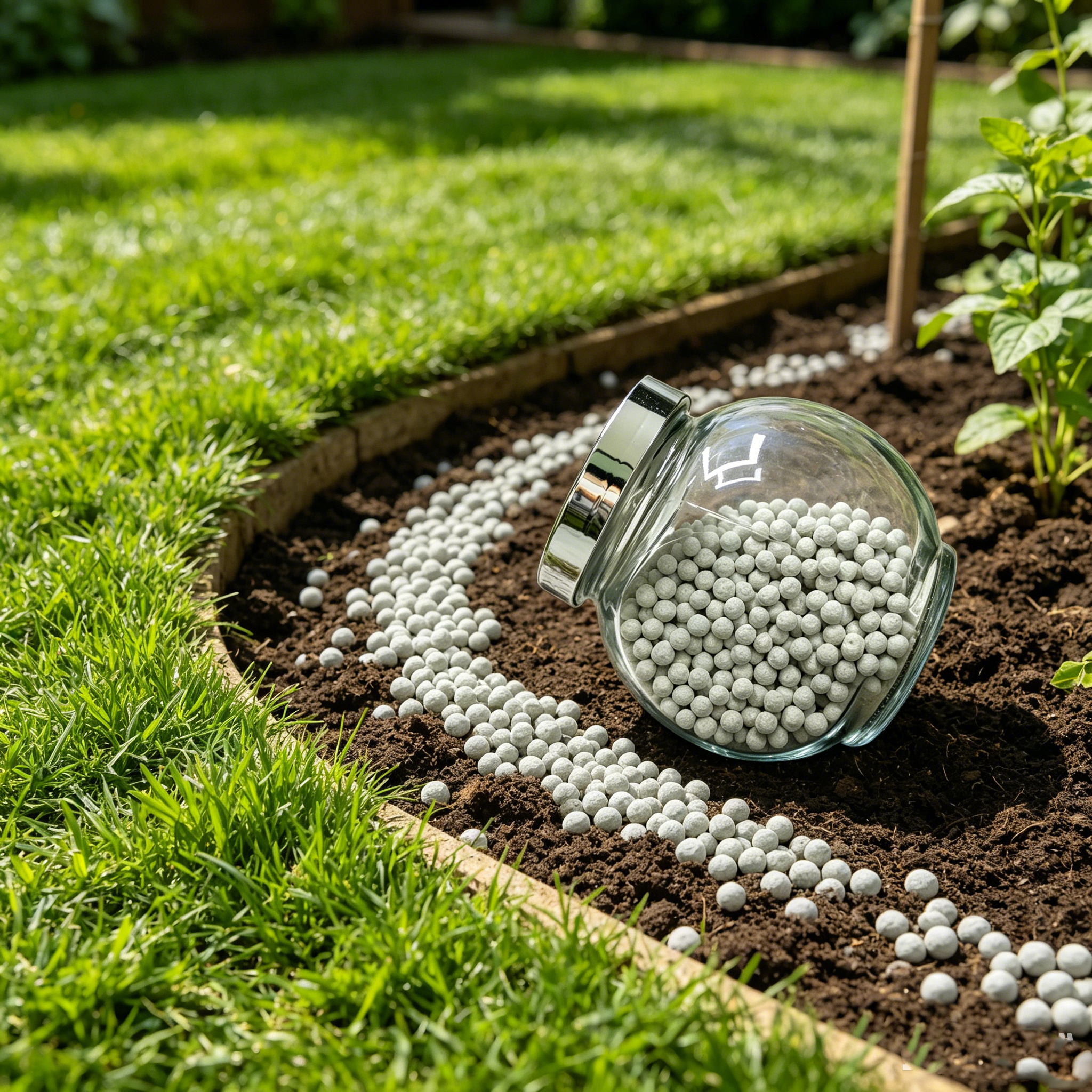
| Appearance | White to off-white crystalline material |
| Solubility | Moderately soluble in water |
| Nitrogen (N) | 10–12% |
| Phosphorus (P) | 18–22% |
| Magnesium (Mg) | 10–12% |
| pH | 7.0–8.0 |
| Particle Size | 2–4 mm |
Application
Struvite is widely used in various agricultural and horticultural applications, including:
● Soil Application:
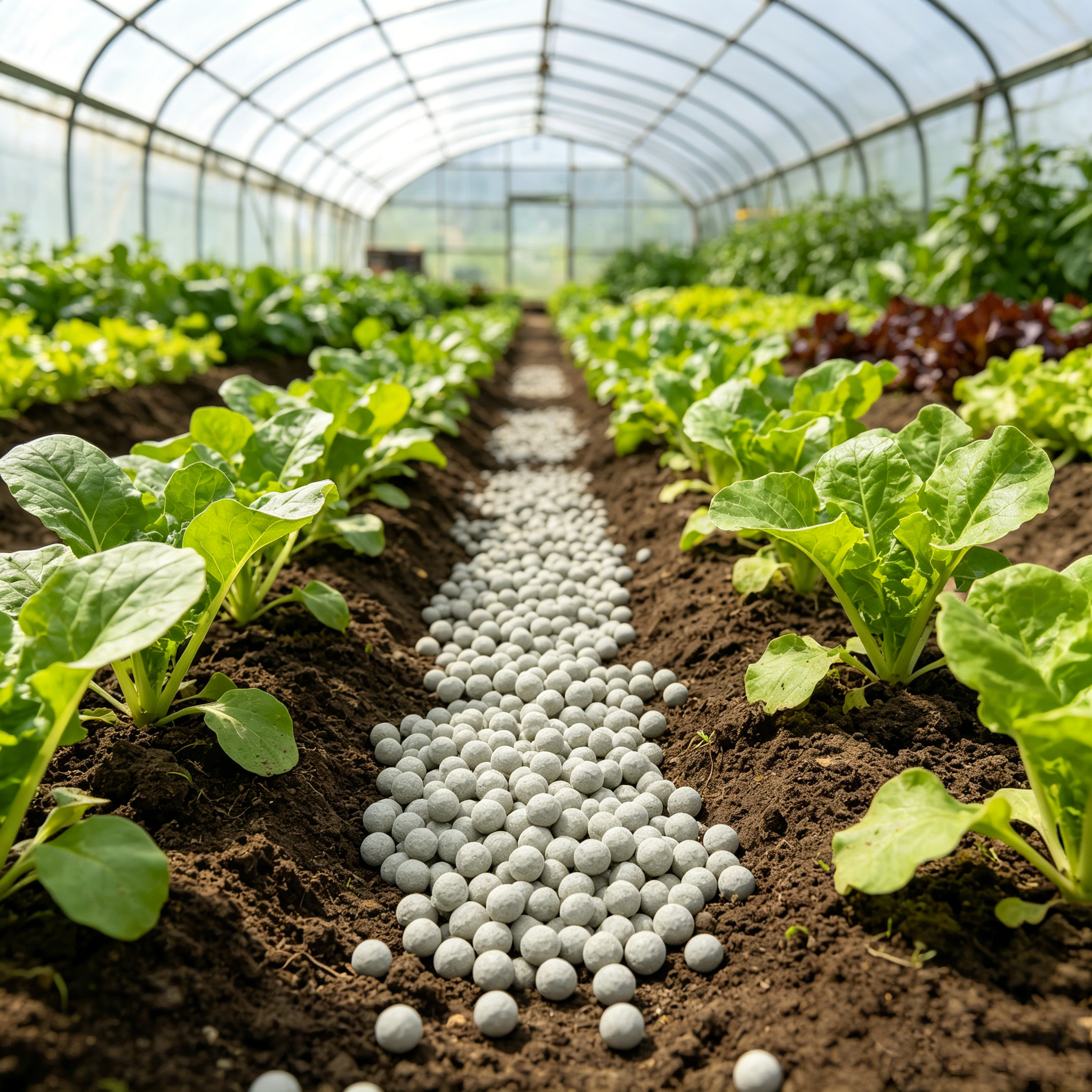
Struvite is often applied directly to the soil to improve fertility. It can be broadcasted over fields before planting or mixed into the soil as a top-dressing. The slow-release properties of Struvite ensure a steady supply of essential nutrients, reducing the risk of nutrient leaching and promoting optimal root development. It is particularly effective for crops that require sustained nutrient availability, such as vegetables, fruits, and cereals.
● Fertigation:
Struvite is also compatible with irrigation systems, such as drip irrigation and sprinklers. By dissolving gradually, it allows nutrients to be delivered directly to plant roots via fertigation, improving nutrient uptake and ensuring efficient water use in agriculture.
● Foliar Application:
Although Struvite’s primary function is as a soil amendment, it can also be used in foliar fertilizers. When dissolved in water, it can be sprayed directly onto plant leaves to provide immediate nutrients during critical growth stages. This method is particularly beneficial for crops that experience nutrient deficiencies in the soil, helping to correct imbalances in a fast and efficient manner.
● Compost Supplement:
Struvite can be incorporated into composting systems to enhance the nutrient content of the final product. It helps balance the nitrogen-phosphorus ratio in composts and aids in the production of high-quality organic matter, improving soil structure and fertility.
● Environmental Applications:
In addition to its use in agriculture, Struvite has been explored for its potential in wastewater treatment, where it helps remove excess phosphorus, preventing eutrophication and water pollution.
Benefits
Struvite offers numerous advantages, particularly in sustainable agriculture and environmental management:
● Slow-Release Fertilization:
The slow-release nature of Struvite ensures a prolonged supply of essential nutrients, reducing the need for frequent applications and minimizing nutrient leaching into the environment. This makes it an excellent choice for long-term soil fertility management.
● Eco-Friendly & Sustainable:
Struvite is an eco-friendly fertilizer that helps close the nutrient cycle by recycling waste materials, such as bird guano or wastewater. This process contributes to waste reduction and reduces environmental pollution, making Struvite a sustainable solution for agriculture.
● Improves Soil Fertility:
Struvite significantly enhances soil fertility by providing a balanced supply of nitrogen, phosphorus, and magnesium. These nutrients are essential for plant growth, photosynthesis, and root development, leading to healthier, stronger plants and higher crop yields.
● Reduces Phosphorus Runoff:
As a slow-release material, Struvite helps reduce the risk of phosphorus runoff, a common environmental concern with traditional synthetic fertilizers. By releasing phosphorus gradually, it ensures that crops receive a consistent supply of nutrients without overwhelming the soil.
● Enhances Plant Growth:
The balanced nutrient composition of Struvite promotes healthy root development, vigorous vegetative growth, and increased resistance to environmental stress. The magnesium content in Struvite plays a critical role in chlorophyll production, improving photosynthetic efficiency and overall plant health.
● Reduces Dependency on Synthetic Fertilizers:
Struvite serves as a natural alternative to synthetic fertilizers, providing essential nutrients without the harmful environmental impacts associated with chemical inputs. This makes it an ideal choice for organic farming systems and environmentally-conscious growers.
Conclusion
Struvite, or bird guano stone, is a versatile and sustainable fertilizer that provides essential nutrients to crops while promoting long-term soil health. Its slow-release properties, balanced nutrient profile, and eco-friendly composition make it a valuable tool for sustainable agriculture. Whether used as a soil amendment, in fertigation systems, or as part of composting operations, Struvite helps reduce dependency on synthetic fertilizers, mitigates environmental pollution, and enhances crop yield and quality. By turning waste materials into valuable nutrients, Struvite plays a crucial role in improving soil fertility and supporting sustainable farming practices.
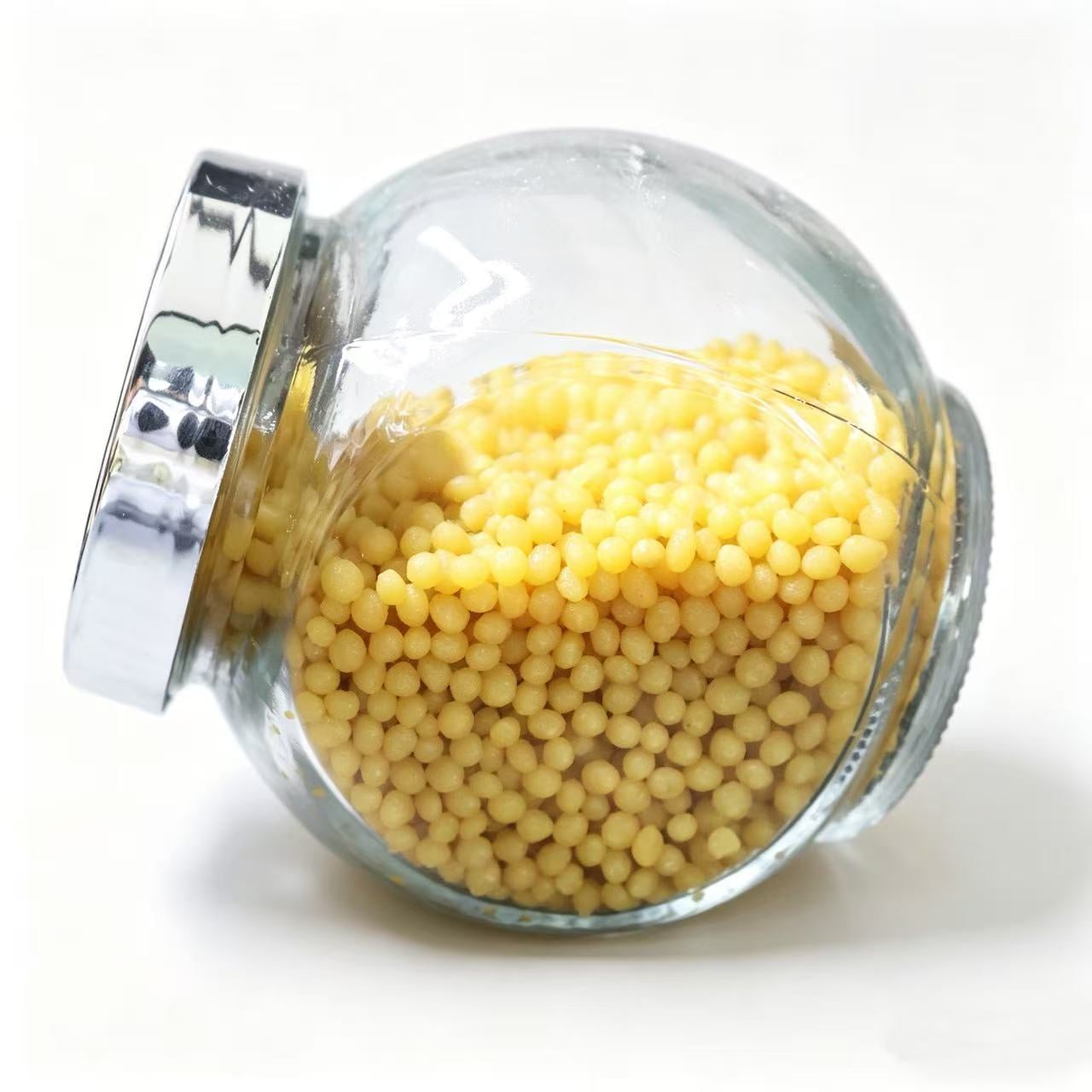
Soil Conditioner
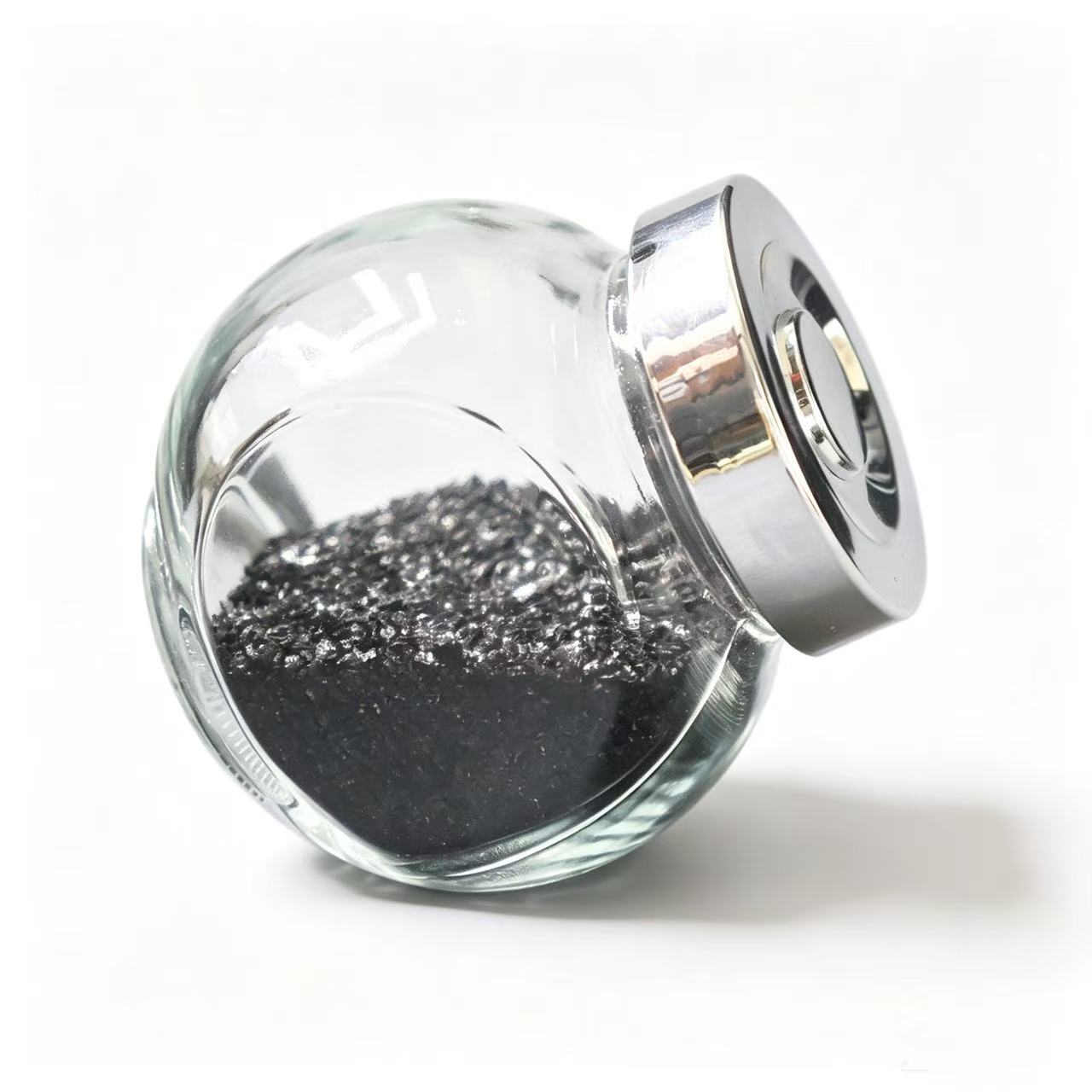
Sodium Humate
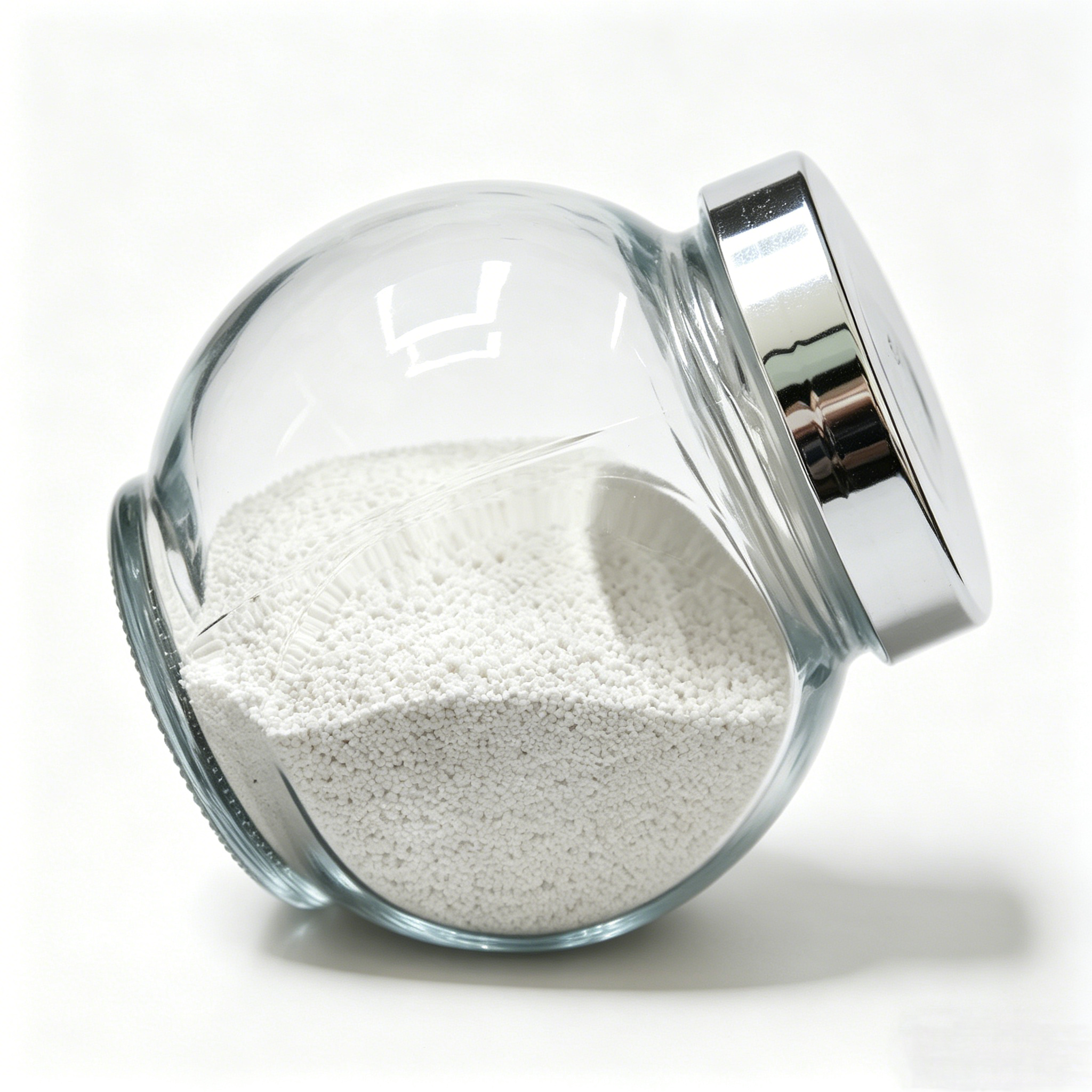
Monodicalcium Phosphate 21% (MDCP 21%)
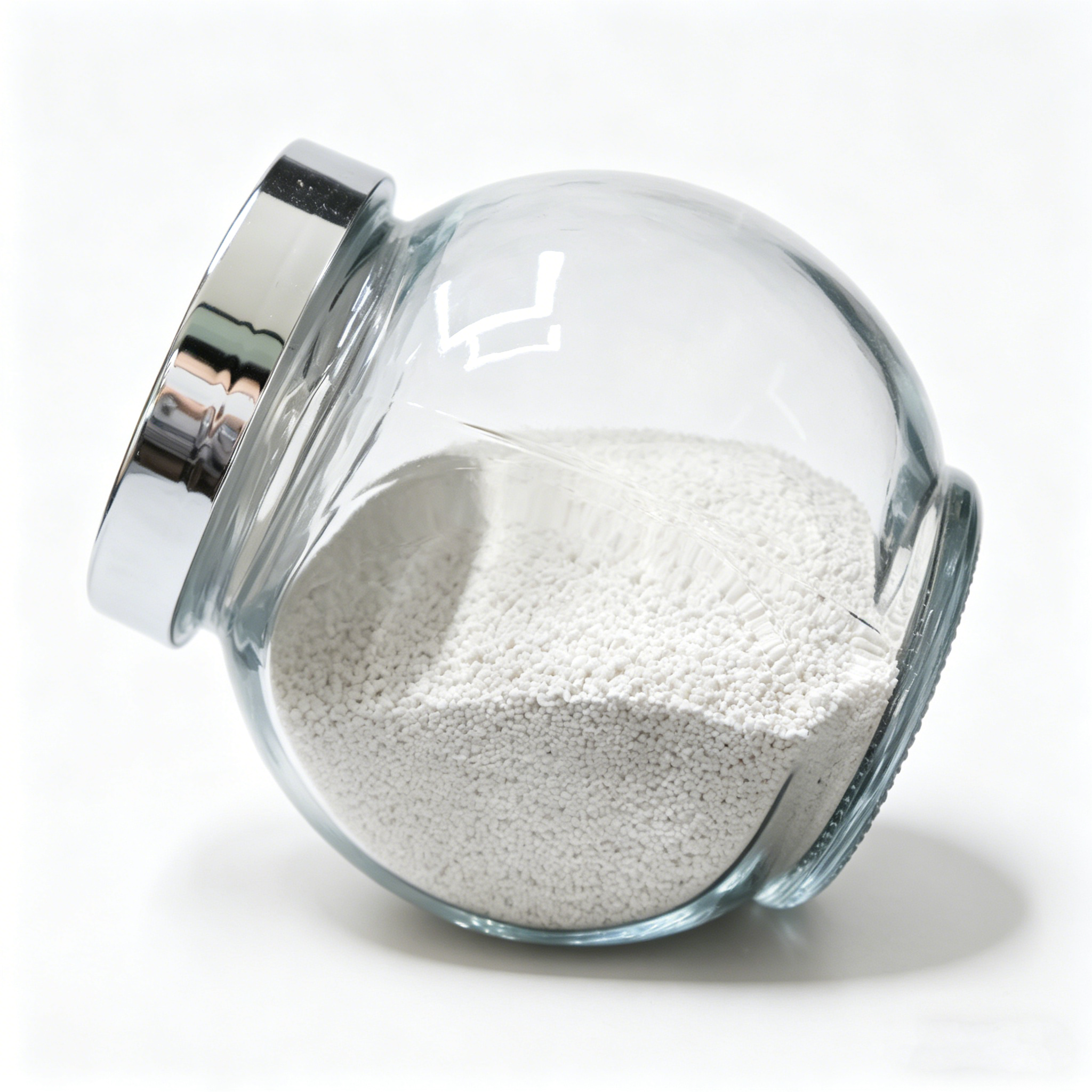
Monocalcium Phosphate 22% (MCP 22% )
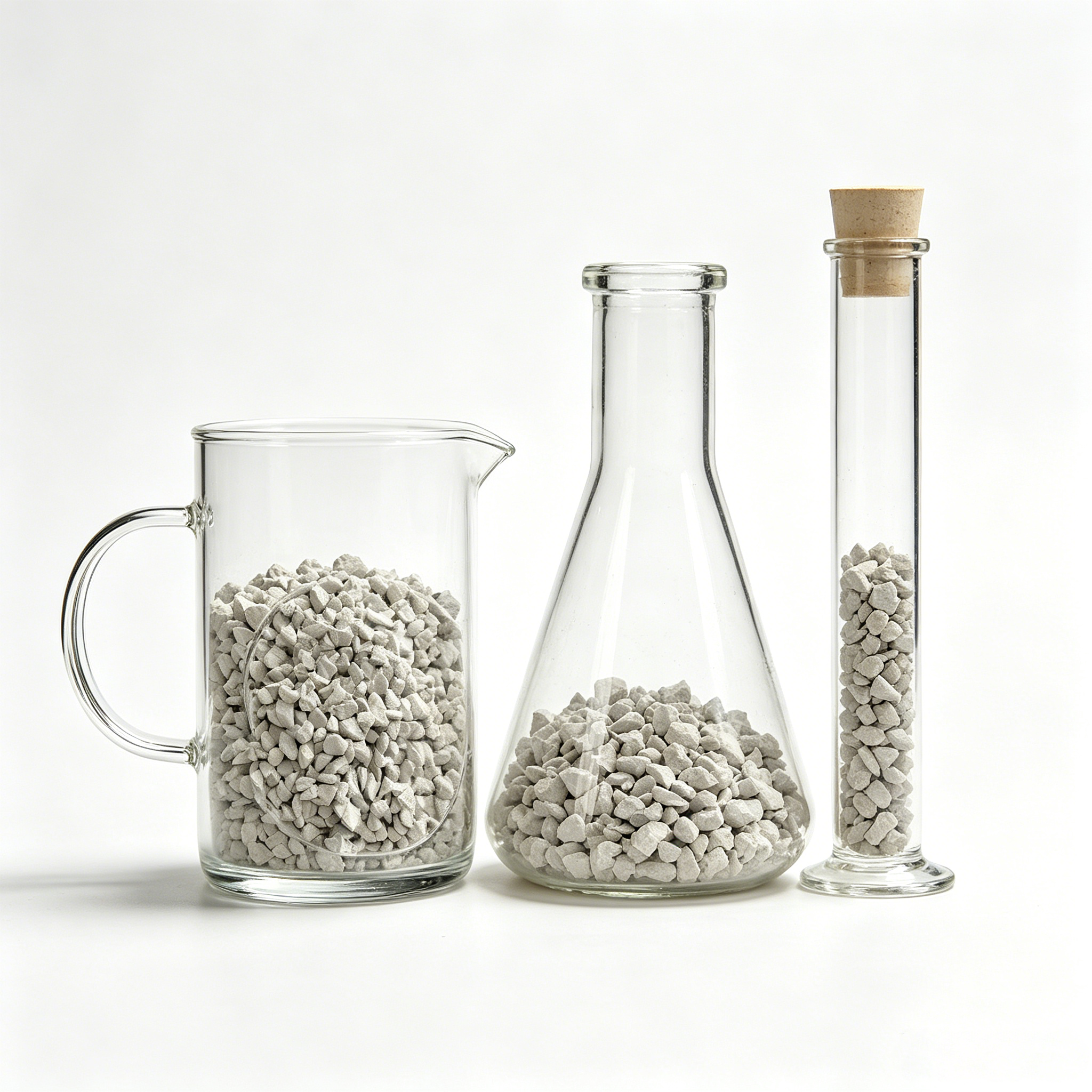
Dicalcium Phosphate DCP 16% Granular – Fertilizer Grade
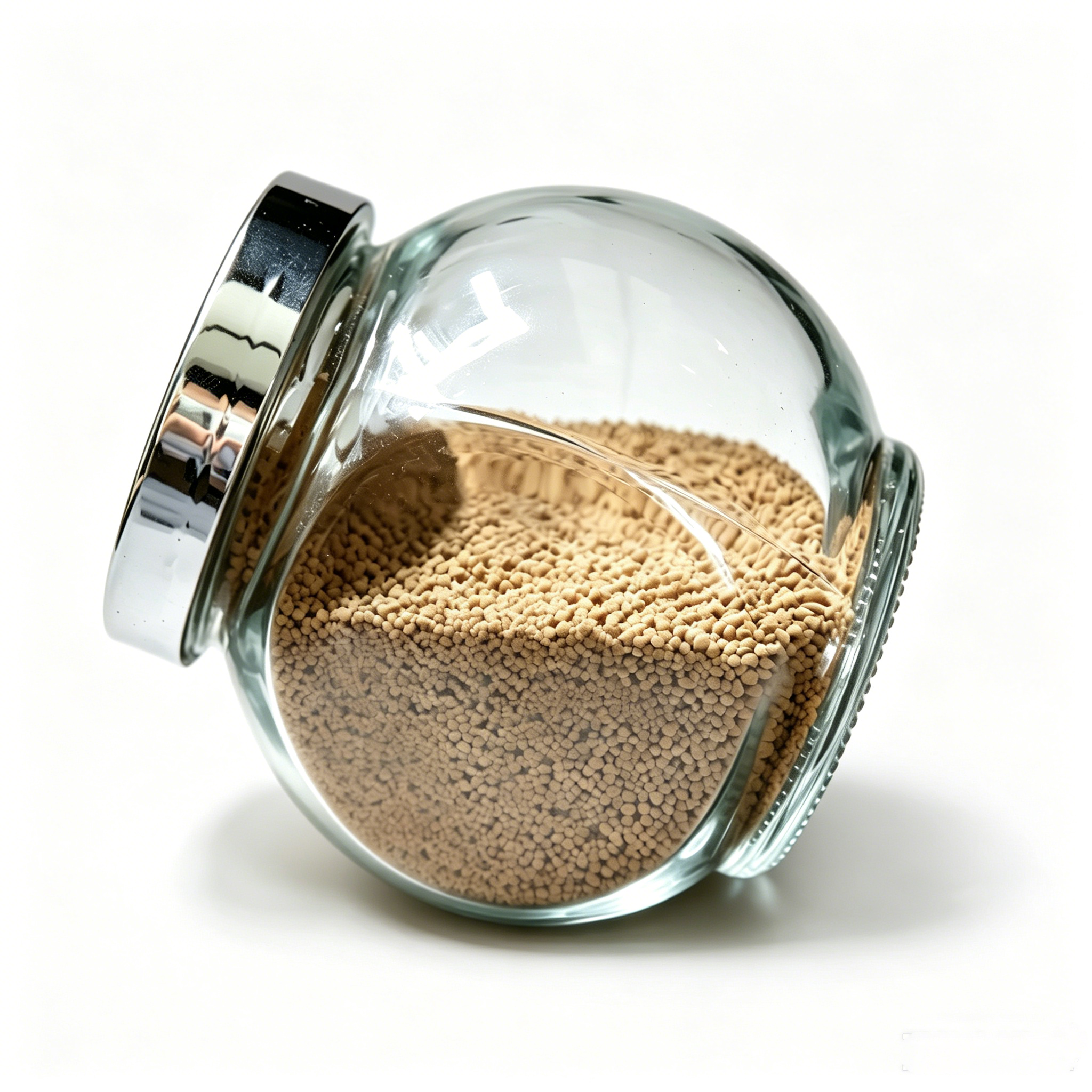
Nucleotide Residue 70%
 EN
EN