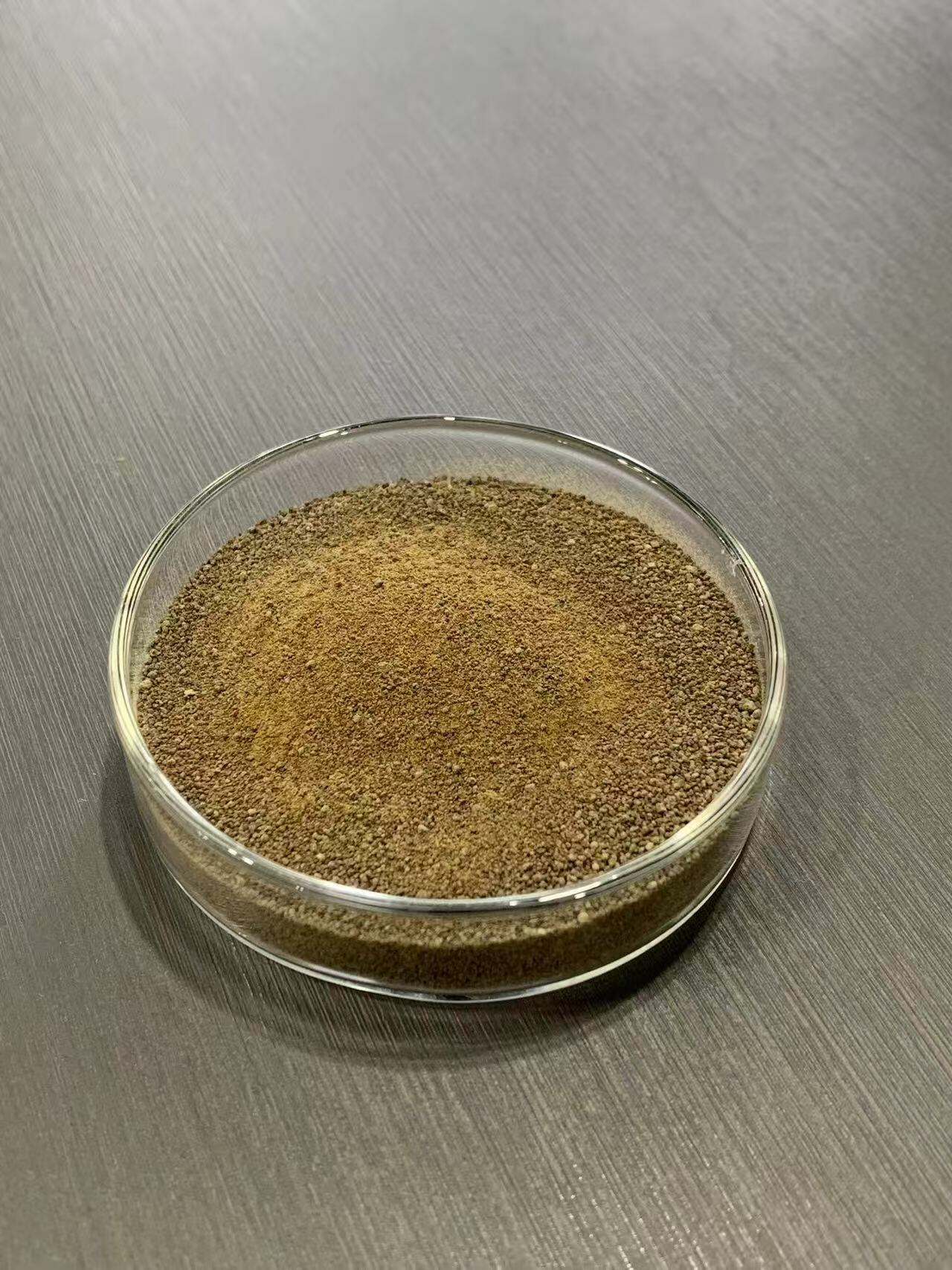
Natural mycoprotein has emerged as a game changing ingredient in modern animal feed formulation. Sourced from fungal fermentation this nutrient rich component offers a sustainable and high quality alternative to traditional protein sources. As the feed industry shifts toward eco friendly and efficient solutions mycoprotein stands out for its excellent digestibility and balanced amino acid profile. Whether you’re formulating feed for poultry swine ruminants or aquaculture species understanding how to use mycoprotein effectively can elevate your feed quality and animal performance. Let’s dive into practical ways to incorporate this natural ingredient into your feed recipes.
Key Nutritional Traits of Natural Mycoprotein
Natural mycoprotein boasts impressive nutritional credentials that benefit animal nutrition. It contains high levels of crude protein typically ranging from 40 to 60% making it a potent source of essential amino acids. Unlike some plant based proteins mycoprotein offers a complete amino acid profile covering what livestock and aquatic animals need for growth and maintenance. It’s also rich in dietary fiber and trace minerals which support digestive health and overall immunity. Another advantage is its low fat content which helps maintain optimal body condition in animals. For feed formulators mycoprotein’s compatibility with other ingredients like mineral supplements and plant protein series makes it a versatile addition to various feed formulas.
Application in Poultry and Swine Feed
Poultry and swine can derive significant benefits from mycoprotein in their diets. For poultry such as broilers and layers adding 5 to 8% mycoprotein to the feed enhances growth rates and feed conversion efficiency. Broilers fed with mycoprotein show improved muscle development and reduced feed waste while layers produce eggs with stronger shells and consistent quality. In swine feed mycoprotein works well during all growth stages. Adding 3 to 6% to starter feeds supports healthy weaning and digestive adaptation while in finisher feeds it promotes efficient weight gain. The natural composition of mycoprotein ensures it mixes seamlessly with corn gluten meal DDGS and other common feed ingredients making it easy to integrate into existing formulations without compromising palatability.
Usage in Ruminant and Aquaculture Feed
Ruminants and aquaculture species also respond positively to mycoprotein inclusion. For cattle sheep and goats mycoprotein serves as a valuable protein supplement that complements forages and roughages. Adding 4 to 7% to ruminant feed supports rumen health and nutrient absorption thanks to its fiber content and slow release energy. In aquaculture mycoprotein is a standout choice for fish and shrimp feeds. Its fine texture and high digestibility make it ideal for aquatic animals which have sensitive digestive systems. Incorporating 6 to 10% mycoprotein in fish feed improves growth performance and survival rates while enhancing disease resistance. It also reduces water pollution compared to some traditional proteins as it minimizes undigested waste.
Practical Tips for Successful Incorporation
To get the most out of mycoprotein in feed formulation follow these practical tips. First ensure proper mixing to distribute mycoprotein evenly throughout the feed. This prevents clumping and ensures each animal receives a consistent dose of nutrients. Pay attention to dosage as excessive amounts may affect feed intake start with lower percentages and adjust based on animal response. Combine mycoprotein with complementary ingredients like calcium phosphate and water soluble fertilizers to create a balanced diet. Source mycoprotein from reputable suppliers that adhere to quality standards such as FDA and ISO certifications to guarantee safety and purity. Regularly test feed samples to monitor nutrient levels and adjust formulations as needed for different animal species and growth stages.
Incorporating natural mycoprotein into animal feed formulation is a smart move for feed manufacturers and farmers alike. Its nutritional density sustainability and versatility make it suitable for a wide range of animal species. By leveraging its key traits and following proper application methods you can improve animal health growth performance and feed efficiency. As the industry continues to prioritize sustainable practices mycoprotein proves to be more than just an ingredient it’s a solution that aligns with modern farming goals. Whether you’re optimizing feed for poultry swine ruminants or aquaculture mycoprotein offers a natural way to enhance your formulations and achieve better results.
 EN
EN