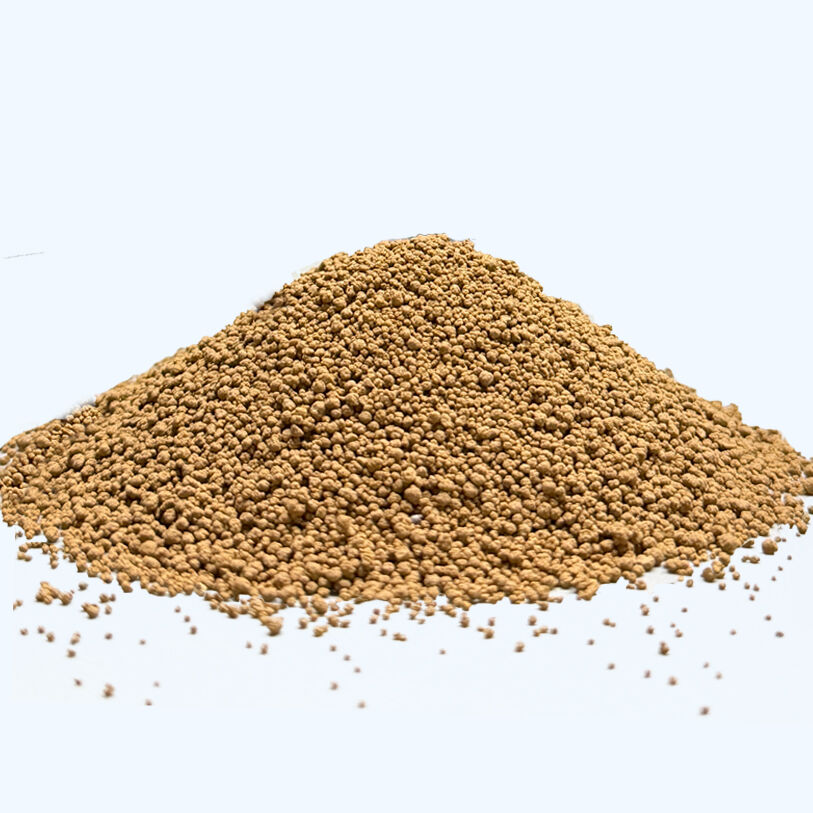
Mycoprotein has become a game-changer in the feed industry, and more and more feed producers are turning to this high-quality protein source. As the demand for efficient and sustainable feed ingredients grows, figuring out the right amount of mycoprotein to add has become a key question for many in the field. Unlike some traditional protein sources that may come with high costs or environmental concerns, mycoprotein offers a balanced nutritional profile that supports animal growth without putting too much strain on resources. Its ability to provide essential amino acids makes it a valuable addition to various feed formulations, whether for poultry, swine, or aquatic animals.
Key factors shaping the optimal ratio
Several factors play a role in determining the optimal addition ratio of mycoprotein. First, the type of animal being fed matters a lot. Young animals in the growth phase have different protein needs compared to mature ones, so the ratio should be adjusted accordingly. For example, starter feeds for chicks or piglets may require a higher mycoprotein ratio to support rapid growth. Second, the existing ingredients in the feed blend can influence how much mycoprotein is needed. If the feed already contains other high-protein components, the mycoprotein ratio can be lower to avoid protein excess. Third, feed cost is a practical consideration—while mycoprotein is cost-effective, balancing it with other ingredients ensures the final feed is both nutritious and affordable.
Research insights from feed trials
Recent research in the feed industry provides valuable clues about effective mycoprotein ratios. A trial with broiler chickens found that adding 8% to 12% mycoprotein in their feed led to better weight gain and feed conversion rates compared to lower ratios. Another study on juvenile fish showed that a 10% to 15% mycoprotein addition improved their muscle development and disease resistance. For swine, trials indicate that 6% to 10% mycoprotein in grower feeds supports healthy growth without causing digestive issues. These results show that the optimal ratio isn’t one-size-fits-all, but there are consistent ranges that work well for different animal groups.
Recommended addition ratio range
Based on industry research and practical applications, the optimal addition ratio of mycoprotein in feed typically falls between 6% and 15%. For young animals like starter pigs or baby chicks, the higher end of this range (10% to 15%) is more suitable to meet their intense protein needs. For mature animals or those on maintenance diets, a lower ratio (6% to 9%) is sufficient to maintain their health and performance. It’s important to note that this range can be adjusted based on the specific nutritional goals of the feed. If the aim is to boost growth rate, leaning toward the higher ratio is better; if cost control is a priority, a moderate ratio still delivers good results.
Practical tips and future outlook
When adding mycoprotein to feed, it’s best to start with the lower end of the recommended range and adjust based on animal response. Monitoring weight gain, feed intake, and overall health helps fine-tune the ratio for optimal results. As the feed industry continues to prioritize sustainability, mycoprotein is expected to play an even bigger role. Future research may uncover more precise ratios for specific animal breeds and production systems, making mycoprotein an even more reliable ingredient. By using the right amount of mycoprotein, feed producers can create formulations that are both nutritionally effective and environmentally friendly, benefiting both animals and the industry as a whole.
 EN
EN