 EN
EN

My Practical Trial with Monocalcium Phosphate in Shrimp Farming
Last summer I partnered with a shrimp farm in Southeast Asia that faced poor molting and low survival rates in their Litopenaeus vannamei ponds. They told me they’d been adding random amounts of phosphate supplements and saw no positive changes. I recommended our monocalcium phosphate from our company and designed a three group trial with different dosages 08 percent 12 percent and 15 percent of the total aquatic feed weight. We applied the feed mixed with monocalcium phosphate for 60 days and recorded every detail. The group with 12 percent monocalcium phosphate showed amazing results the shrimp molting frequency increased by 35 percent and the survival rate jumped from 62 percent to 88 percent. The shrimp in this group also had firmer flesh and faster growth with an average weight gain 40 percent higher than the others. This trial taught me that monocalcium phosphate works wonders only when the dosage is right and our product’s high purity makes the dosage effect more stable and predictable for aquatic farming.
The Nutritional Logic of Monocalcium Phosphate for Aquatic Organisms
Monocalcium phosphate is the gold standard of phosphorus supplements for aquatic feed and its optimal dosage ties directly to the phosphorus demand of aquatic creatures. Aquatic animals like fish and shrimp need phosphorus for skeletal development shell formation energy metabolism and cell division far more than terrestrial animals because phosphorus is easily lost in water through dissolution. Our monocalcium phosphate has a high available phosphorus content which means almost all the phosphorus in it can be absorbed by aquatic organisms without wasting in the water. Different aquatic species have different dosage needs crustaceans like shrimp and crab need higher monocalcium phosphate dosages 10 to 15 percent for their frequent molting while freshwater fish like carp only need 06 to 10 percent. Juvenile aquatic animals also require more monocalcium phosphate than adults as their growth and development are in a critical stage. The high solubility of our monocalcium phosphate ensures it mixes evenly in feed so every bite of feed gives aquatic animals the precise amount of phosphorus they need.
Expert Views on Monocalcium Phosphate Dosage in Aquatic Feed
Dr James Reed a leading aquatic nutritionist with over 20 years of research in aquaculture feed formulation has long emphasized the importance of precise monocalcium phosphate dosage. He states that monocalcium phosphate is the most effective phosphorus source for aquatic feed due to its high bioavailability and low water solubility loss compared to other phosphate additives. His research published in the Aquaculture Nutrition Journal shows that improper monocalcium phosphate dosage either too low or too high harms aquatic farming too little leads to slow growth and weak immunity while too much causes water eutrophication and increases the risk of aquatic diseases. Dr Reed recommends following the species specific and growth stage specific dosage guidelines and he highly praises our monocalcium phosphate for its consistent purity and nutrient content which makes it easy to control the exact dosage in feed production. Our company’s product testing standards are fully in line with his research conclusions ensuring every batch of monocalcium phosphate meets the optimal dosage matching requirements for aquatic feed.
How Our Monocalcium Phosphate Supports Precise Dosage Application
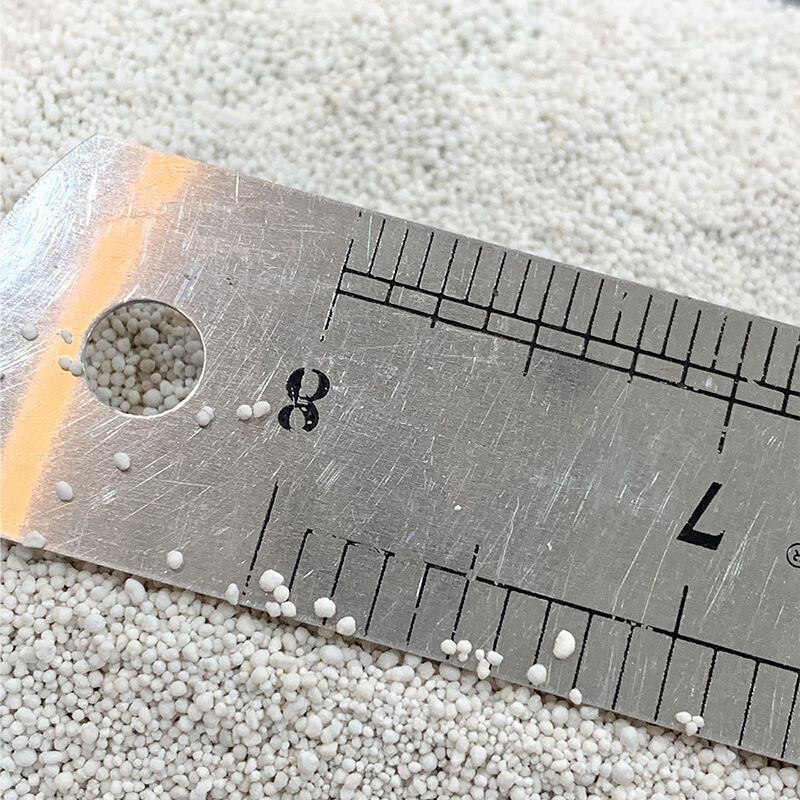
Our company’s monocalcium phosphate has unique advantages that make precise dosage application in aquatic feed a breeze and these advantages set it apart from ordinary phosphate products on the market. First our monocalcium phosphate has a uniform powder particle size which means it can mix completely with all types of aquatic feed materials whether it is powder feed pellet feed or extruded feed without clumping or uneven distribution. This uniformity ensures that the designed monocalcium phosphate dosage is actually delivered to each aquatic animal. Second our product has a stable nutrient composition every batch of monocalcium phosphate is tested strictly with available phosphorus content kept in a fixed range so feed manufacturers don’t have to adjust dosage frequently due to product quality changes. Third our monocalcium phosphate has good water stability it won’t dissolve quickly in water after the feed is put into ponds or tanks which reduces phosphorus loss and ensures aquatic animals can absorb the phosphorus fully before the feed disperses. These advantages make our monocalcium phosphate the first choice for feed factories and aquatic farms that pursue precise dosage and high breeding efficiency.
Practical Guidelines for Monocalcium Phosphate Dosage in Aquatic Feed
Based on our company’s years of experience in aquaculture nutrition and countless field trials we have summarized practical monocalcium phosphate dosage guidelines for common aquatic species to help farmers and feed manufacturers use our product correctly. For crustaceans Litopenaeus vannamei and Penaeus monodon need 12 to 15 percent monocalcium phosphate in juvenile stage and 10 to 12 percent in adult stage while crabs need 13 to 16 percent in molting stage and 9 to 11 percent in non molting stage. For fish freshwater fish such as grass carp and crucian carp need 06 to 10 percent and marine fish such as sea bass and grouper need 09 to 13 percent with juvenile fish taking the higher end of the range. When mixing monocalcium phosphate with feed it is best to pre mix it with a small amount of fine feed material first then expand the mixing to the whole batch to ensure even distribution. Also it is important to adjust the monocalcium phosphate dosage according to the actual breeding environment if the water has high phosphorus content the dosage can be reduced appropriately and if the aquatic animals show slow growth or abnormal molting the dosage can be increased slightly under professional guidance. Our professional team is available 24 hours a day to provide customized monocalcium phosphate dosage plans according to your specific aquatic species breeding stage and water conditions to maximize the breeding benefits.
Table of Contents
- My Practical Trial with Monocalcium Phosphate in Shrimp Farming
- The Nutritional Logic of Monocalcium Phosphate for Aquatic Organisms
- Expert Views on Monocalcium Phosphate Dosage in Aquatic Feed
- How Our Monocalcium Phosphate Supports Precise Dosage Application
- Practical Guidelines for Monocalcium Phosphate Dosage in Aquatic Feed