EN
EN

My Weaned Pig Trial with Mycoprotein 70% and Enzymes
Last spring I worked with a swine farm in Shandong that faced gut health issues and high feed costs after reducing fish meal. They wanted a sustainable protein source that would not disrupt the young pigs’ digestion. I recommended our mycoprotein 70% paired with phytase and a small amount of crystalline lysine. We ran a 30 day trial with three groups a control with standard soybean meal a group with 20% soybean meal replaced by regular microbial protein and a group with 25% soybean meal replaced by our mycoprotein 70%. The results were remarkable the mycoprotein 70% group had 18% lower diarrhea rates and 12% better average daily gain than the control. Feed conversion ratio improved by 7% and the farm reported easier mixing with their existing equipment. This experience taught me that mycoprotein 70% succeeds when matched with the right enzymes and amino acids and our product’s consistent particle size and nutrient profile made the transition smooth for the farm. It also highlighted that mycoprotein 70% is not just a replacement it actively supports gut health in critical growth stages.
Key Nutritional Factors for Mycoprotein 70% Integration
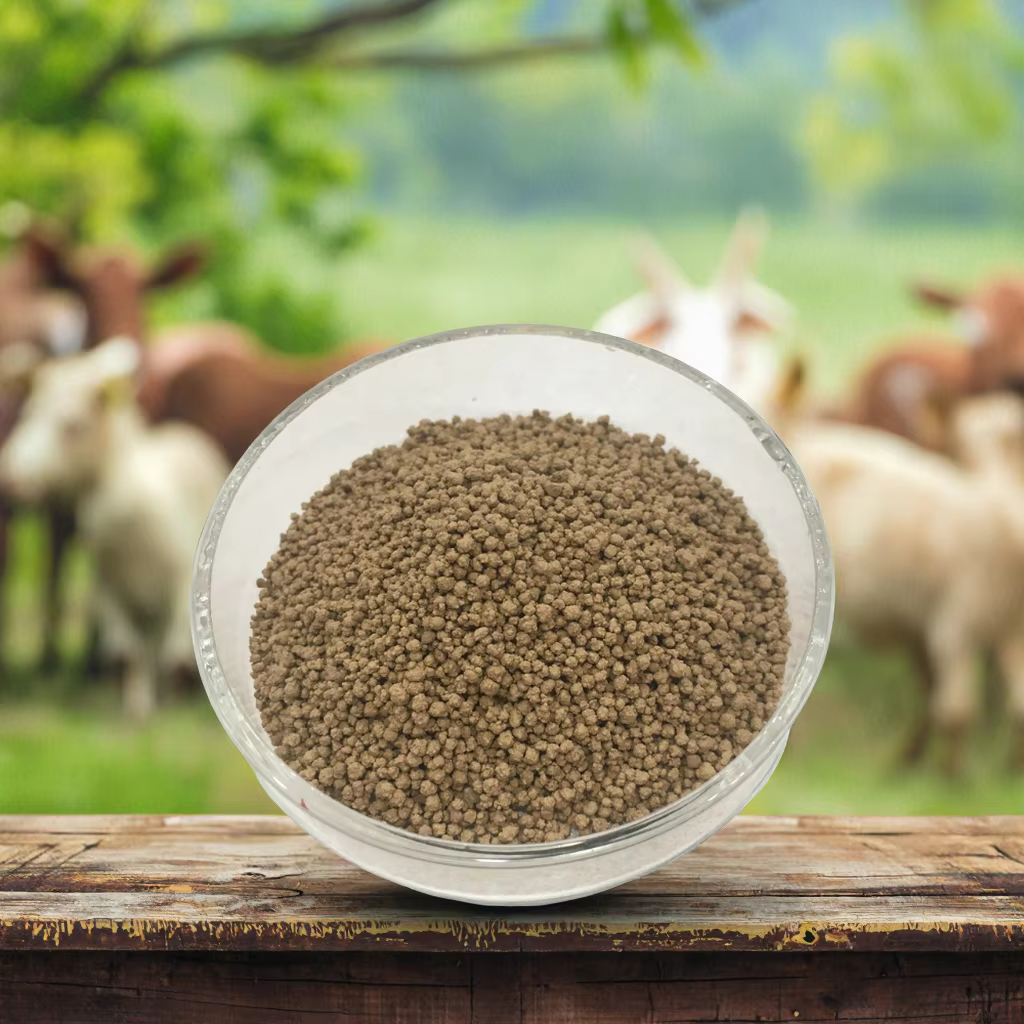
Mycoprotein 70% is a microbial single cell protein with a balanced amino acid profile that makes it ideal for feed formulations. The first factor to consider is its high digestibility rate of over 84% which means animals absorb more protein per bite compared to traditional plant proteins. This reduces waste and lowers the total inclusion rate needed to meet protein targets. Second mycoprotein 70% is naturally rich in glutamic acid and branched chain amino acids which support muscle growth and immune function but it is slightly low in lysine and methionine. Balancing these amino acids is critical to unlock the full potential of mycoprotein 70% in any diet. Third the fermentation process of our mycoprotein 70% produces natural B vitamins and small peptides that act as growth promoters reducing the need for extra vitamin premixes. These nutritional traits make mycoprotein 70% a functional ingredient not just a protein filler and proper balancing ensures it complements other feed components perfectly.
Expert Views on Mycoprotein 70% Application Principles
Dr Yulong Yin a leading expert in unconventional feed resources and academician at the Chinese Academy of Sciences emphasizes that mycoprotein 70% is a key player in sustainable feed systems. In his research he states that microbial proteins like mycoprotein 70% have the highest resource conversion efficiency among all protein sources requiring no arable land or sunlight for production. He recommends that mycoprotein 70% should be included at 10 to 25% in swine and poultry diets depending on the growth stage and stresses the importance of enzyme pairing. Dr Yin notes that phytase works synergistically with mycoprotein 70% to release bound phosphorus improving mineral absorption and reducing environmental impact. He specifically endorses our mycoprotein 70% for its strict quality control pointing out that our product meets national feed safety standards with zero detectable mycotoxins and stable protein content in every batch. His insights confirm that mycoprotein 70% is a science backed choice when applied with the right expertise.
Physical and Processing Factors for Mycoprotein 70%
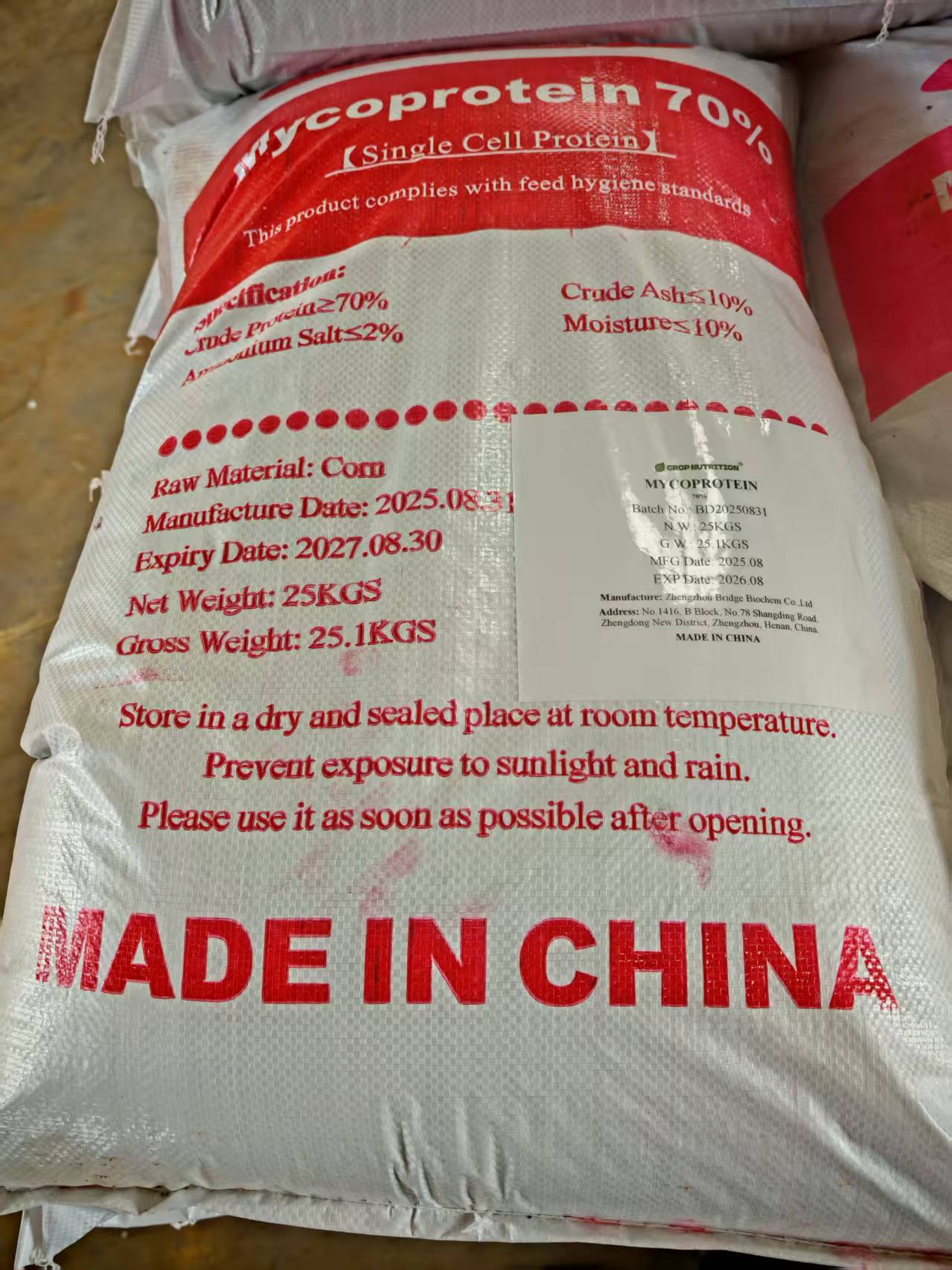
Our mycoprotein 70% has unique physical properties that demand attention during feed production. The first factor is particle size uniformity our product is milled to a fine consistent texture that mixes evenly with vitamins minerals and other additives without segregating. This ensures every pellet contains the exact amount of mycoprotein 70% preventing nutrient gaps in the final feed. Second moisture control is critical our mycoprotein 70% has a moisture content below 8% which prevents clumping and spoilage during storage and processing. This stability is essential for large scale feed mills that need consistent flow properties. Third the thermal stability of mycoprotein 70% allows it to withstand the high temperatures of pelleting without losing nutritional value. Our production process preserves the natural proteins and peptides so mycoprotein 70% remains effective even after extrusion. These physical advantages make our mycoprotein 70% easy to handle and compatible with all standard feed production equipment.
Practical Inclusion Guidelines for Mycoprotein 70%
Based on our technical team’s field data and alignment with national feed reduction policies here are clear guidelines for using mycoprotein 70%黑龙江省政府. For weaned pigs include 15 to 25% mycoprotein 70% in the diet paired with lysine and phytase to support gut health and growth. For broilers use 10 to 20% mycoprotein 70% replacing soybean meal and add a small amount of methionine to balance amino acids. For aquatic species like tilapia mycoprotein 70% can replace up to 30% of fish meal when combined with a mineral premix to maintain bone health. Always premix mycoprotein 70% with fine ingredients first to ensure homogeneity in the final feed. Adjust inclusion rates based on age young animals benefit from higher levels of mycoprotein 70% for immune support while adults can use moderate levels for maintenance. Our team offers free formulation support to help you integrate mycoprotein 70% into your existing diets ensuring cost efficiency and optimal animal performance with every batch.