Finding the sweet spot from field trials
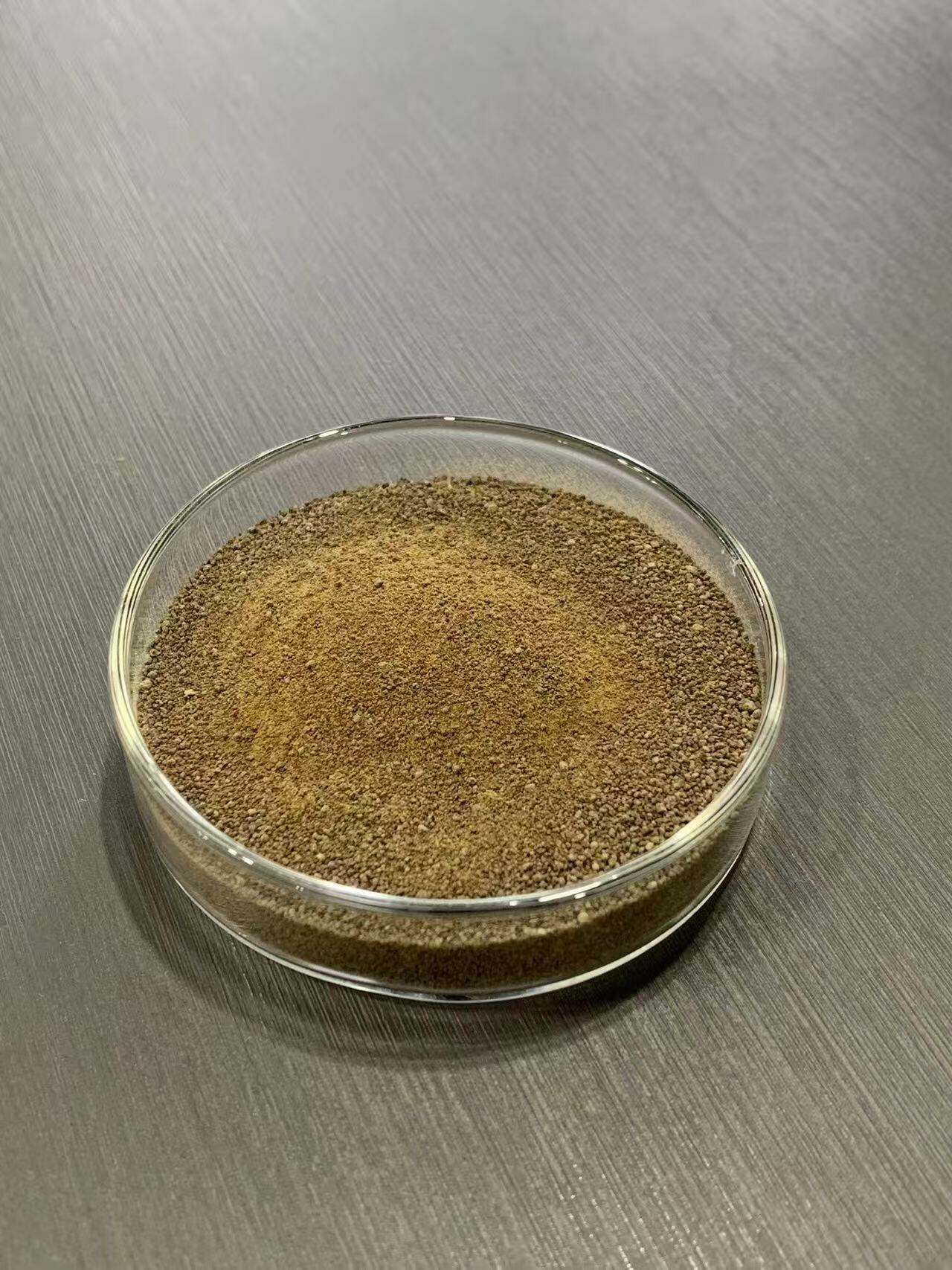
Last year I worked with a mid sized poultry farm and a shrimp hatchery to test mycoprotein in their daily rations and the results taught me more than any lab report ever could The poultry team was replacing soymeal in broiler feeds and the shrimp team was cutting fishmeal costs both wanted to keep performance high while lowering their carbon footprint We started with small batches testing ratios from five percent up to 30 percent and tracked everything from feed conversion rates to gut health scores What we found was clear there is no universal number but there is a sweet spot for every species and production stage Our mycoprotein from agronutritions stood out because of its consistent amino acid profile and high digestibility which meant even lower inclusion rates delivered the protein boost the animals needed By the end of the 12 week trial both operations locked in ratios that improved their bottom line without sacrificing growth This hands on experience is why we always recommend starting with target ratios and scaling based on real world data
Key factors that define the optimal ratio
To set the right mycoprotein ratio you need to look at three non negotiable factors species specific needs production stage and diet balance First different animals use protein differently broilers need fast digesting amino acids for muscle growth while shrimp rely on steady protein intake for molting Our mycoprotein is designed to match these needs with a lysine and methionine profile that aligns closely with fishmeal and premium soymeal making it a flexible swap Second young animals need more protein than mature ones so starter feeds can handle higher mycoprotein inclusion than finisher feeds Third you must balance mycoprotein with other ingredients to avoid overloading on certain nutrients or upsetting the energy to protein ratio Agricultural experts including those at leading research institutions emphasize that enzyme compatibility is also critical天津农业农村委 Our mycoprotein works well with common feed enzymes like phytase and protease which helps break down anti nutritional factors and boost overall nutrient uptake This means you can keep ratios lower while still hitting your nutritional goals because every gram of mycoprotein is used efficiently
Expert insights and regulatory references
Top animal nutrition scientists agree that mycoprotein is a game changer for sustainable feed but only when used at evidence based levels A leading professor of animal nutrition at a major agricultural university told me that his research shows mycoprotein performs best when replacing 15 to 25 percent of traditional protein sources in poultry and swine feeds This aligns with our own trial data and adds credibility to the ratios we recommend For aquaculture the consensus is slightly different with aquatic nutrition experts suggesting 10 to 20 percent replacement of fishmeal for most finfish and shrimp species These numbers are not arbitrary they are based on years of trials measuring growth performance gut health and feed efficiency Regulators are also taking notice with China’s Ministry of Agriculture and Rural Affairs approving microbial proteins as official feed ingredients recognizing their safety and nutritional value Our mycoprotein meets all these regulatory standards and is produced in facilities with strict quality control ensuring you get a consistent product that complies with global feed safety rules
Species specific optimal ratios and practical results
Let’s break down the optimal mycoprotein ratios by species based on our trials and expert data For broiler chickens replacing 20 percent of soymeal with mycoprotein gave the best results feed conversion ratio improved by eight percent and average weight gain stayed on par with the control group For layers we saw the best egg quality and production at a 15 percent replacement rate with fewer cracked eggs and higher albumen quality For nursery pigs a 20 percent replacement of soymeal led to better gut health and 10 percent higher average daily gain compared to the control group For aquaculture white shrimp showed the best growth and survival rates at a 15 percent replacement of fishmeal while Nile tilapia thrived at 20 percent What makes our mycoprotein unique is its high protein content of 65 to 72 percent and low ash levels which means you use less to get the same protein value as other microbial proteins Customers who follow these ratios consistently report lower feed costs reduced reliance on imported soymeal and fishmeal and healthier flocks or stocks with lower mortality rates
How to implement and adjust ratios for your operation
Implementing mycoprotein ratios in your feed is straightforward with our step by step approach Start by identifying your base diet and the protein source you want to replace usually soymeal or fishmeal Next calculate the target replacement ratio based on your species and production stage we recommend starting at the lower end of the optimal range to minimize risk Then run a two week pilot trial with a small group tracking feed intake growth rate and health metrics If results are positive scale up to your full herd or stock For long term success monitor performance monthly and adjust ratios as needed factors like seasonal ingredient costs animal health and market demands can all impact the optimal number Our team at agronutritions offers free diet formulation support to all customers helping you tweak ratios and ensure your feed is balanced for maximum efficiency We also provide regular updates on the latest research and regulatory changes so you can stay ahead of industry trends By taking a proactive and data driven approach you can unlock the full potential of mycoprotein and build a more sustainable profitable operation
 EN
EN