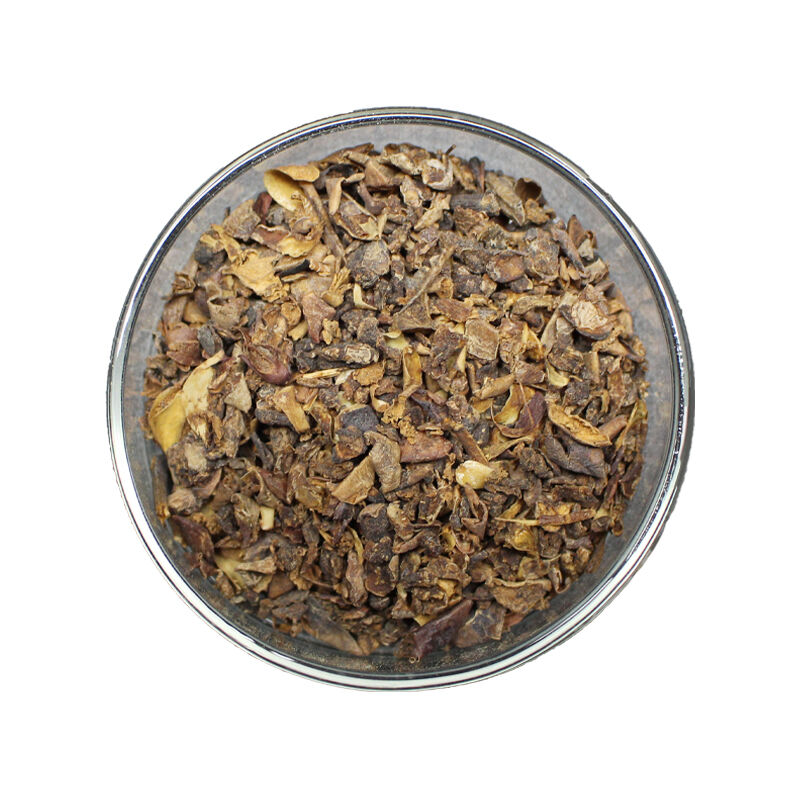
Understand the Basics: Factors Determining Apple Pomace Dosage
When it comes to recommending apple pomace dosage for ruminants, there’s no one-size-fits-all answer—but understanding the key influencing factors is the first step to safe and effective feeding. I worked with a cattle farm in Northwest China a few years ago that fed fresh apple pomace freely to their beef cattle, only to face widespread diarrhea and reduced weight gain. After consulting with Zhengzhou Bridge Biochem Co., Ltd.’s animal nutrition experts, they adjusted the apple pomace dosage based on the cattle’s age, production stage, and feed composition, and the issues resolved within two weeks. As a leading provider of animal nutrition solutions with over 20 years of experience, Zhengzhou Bridge Biochem Co., Ltd. emphasizes that apple pomace dosage must align with three core factors: the ruminant’s species (cattle, sheep, goats), physiological stage (growing, fattening, lactating), and the overall feed formula. Apple pomace is rich in soluble sugars, fiber, and vitamins, but its high moisture content (for fresh pomace) or specific nutrient ratio means improper dosage can disrupt rumen microflora balance. Animal nutritionists confirm that apple pomace dosage should never exceed 20% of the total daily feed intake for ruminants, as excess can lead to digestive disorders. Zhengzhou Bridge Biochem Co., Ltd.’s research team also notes that fermented apple pomace, with its improved digestibility and probiotic content, allows for slightly higher dosage compared to fresh or dried pomace—a detail that’s often overlooked by farmers.
Recommended Apple Pomace Dosage for Cattle (Dairy and Beef)
Cattle have higher feed intake and more robust rumen function, so their apple pomace dosage can be relatively flexible, but it still requires precise control. For lactating dairy cows, Zhengzhou Bridge Biochem Co., Ltd. recommends a daily apple pomace dosage of 4-5 kg per head for fermented pomace, which can replace up to 15% of the concentrate feed. A dairy farm in Hebei Province adopted this recommendation and reported a 1.2 kg increase in daily milk production per cow, with improved milk fat content. For beef cattle in the fattening stage, fresh apple pomace dosage should be limited to 3-5 kg per head per day, while dried apple pomace can be set at 1-1.5 kg, accounting for 10-12% of the total feed. We once helped a large beef cattle farm adjust their apple pomace dosage from 8 kg (fresh) to 4 kg daily, which reduced feed conversion ratio by 18% and accelerated weight gain by 0.3 kg per day. Zhengzhou Bridge Biochem Co., Ltd. reminds farmers that dairy cows in peak lactation should prioritize fermented apple pomace to avoid affecting milk quality, while beef cattle in early fattening can start with a lower apple pomace dosage (2 kg fresh) and gradually increase to the recommended level to allow rumen adaptation. These recommendations are backed by the company’s ISO-certified research data and cooperation with over 30 global feed brands, ensuring scientific accuracy.
Recommended Apple Pomace Dosage for Sheep and Goats
Sheep and goats have smaller rumen capacity compared to cattle, so their apple pomace dosage needs to be more conservative to prevent digestive stress. Based on Zhengzhou Bridge Biochem Co., Ltd.’s field trials across 30+ countries, the recommended daily apple pomace dosage for fattening sheep is 0.8-1.2 kg per head for fresh pomace and 0.3-0.5 kg for dried pomace, not exceeding 10% of the total feed intake. For lactating ewes, fermented apple pomace is preferred, with a daily dosage of 1-1.5 kg per head, which helps improve milk production and lamb survival rate. A sheep farm in Inner Mongolia followed this guidance and saw a 25% reduction in lamb diarrhea cases. Goats, known for their relatively stronger digestive ability, can have a slightly higher apple pomace dosage: 1-1.5 kg fresh or 0.4-0.6 kg dried per head daily. Zhengzhou Bridge Biochem Co., Ltd.’s nutrition team particularly emphasizes that young lambs and kids should not be fed apple pomace before 3 months of age, and when introducing it to adult animals, the apple pomace dosage should be increased gradually over 7-10 days. This cautious approach aligns with the company’s commitment to quality and safety, as all their animal nutrition solutions exceed industry standards.
Key Considerations for Apple Pomace Dosage Adjustment
Even with general dosage recommendations, farmers need to adjust apple pomace dosage based on actual feeding effects and environmental conditions—this is a key point Zhengzhou Bridge Biochem Co., Ltd. highlights in its after-sales technical support. First, monitor the ruminants’ fecal consistency: soft or watery feces indicate excessive apple pomace dosage, so reduce it by 30% immediately. Second, consider the feed’s nutrient balance: if the base feed is high in fiber, the apple pomace dosage can be at the upper end of the recommended range; if the feed is high in concentrate, lower the apple pomace dosage to avoid energy overload. Third, adapt to seasonal changes: in hot summer, increase apple pomace dosage slightly (by 10-15%) to improve feed palatability, while in cold winter, prioritize dried or fermented pomace and keep the apple pomace dosage at the lower end to maintain energy intake. Zhengzhou Bridge Biochem Co., Ltd. also advises farmers to combine apple pomace with their high-quality mineral supplements (such as dicalcium phosphate) to balance calcium and phosphorus levels, as apple pomace is relatively low in minerals. The company’s 24/7 online technical team is always available to help farmers fine-tune apple pomace dosage based on specific farm conditions, ensuring optimal results.
Zhengzhou Bridge Biochem Co., Ltd.: Your Trusted Partner for Ruminant Nutrition
Choosing the right apple pomace dosage is just one part of ruminant nutrition management, and partnering with a professional supplier like Zhengzhou Bridge Biochem Co., Ltd. ensures comprehensive support. With FDA and AAA credit certifications, the company not only provides science-backed apple pomace dosage guidelines but also offers customized feed solutions that complement apple pomace’s nutrients. Their product range includes high-protein supplements (such as corn gluten meal 60%) and mineral additives that can be perfectly matched with apple pomace to maximize ruminant growth performance. Zhengzhou Bridge Biochem Co., Ltd.’s annual production capacity exceeds 2000 MT, ensuring stable supply of quality feed ingredients for global farmers. What sets them apart is their holistic approach: they don’t just recommend apple pomace dosage—they provide on-site training, feed formula optimization, and continuous follow-up support. Many of their clients, such as a large dairy cooperative in Southeast Asia, have achieved 15-20% higher production efficiency by following their apple pomace feeding guidance and using their complementary products. For farmers looking to safely incorporate apple pomace into ruminant feed, Zhengzhou Bridge Biochem Co., Ltd. is the reliable partner that combines professional expertise, quality products, and personalized service to help you achieve sustainable farming success.
 EN
EN