Glutamic acid residue 70% has become a valuable ingredient in feed formulations, thanks to its high nutrient density and good compatibility with other feed components. As someone who has worked closely with feed mills and livestock farms for years, I’ve seen many producers struggle to get the most out of this product. Sometimes, improper use leads to underutilization of nutrients, while other times it causes digestive issues in animals. The key to maximizing the effect of glutamic acid residue lies in scientific application methods that align with animal physiology and feed processing principles.
Understand the Nutritional Characteristics of Glutamic Acid Residue
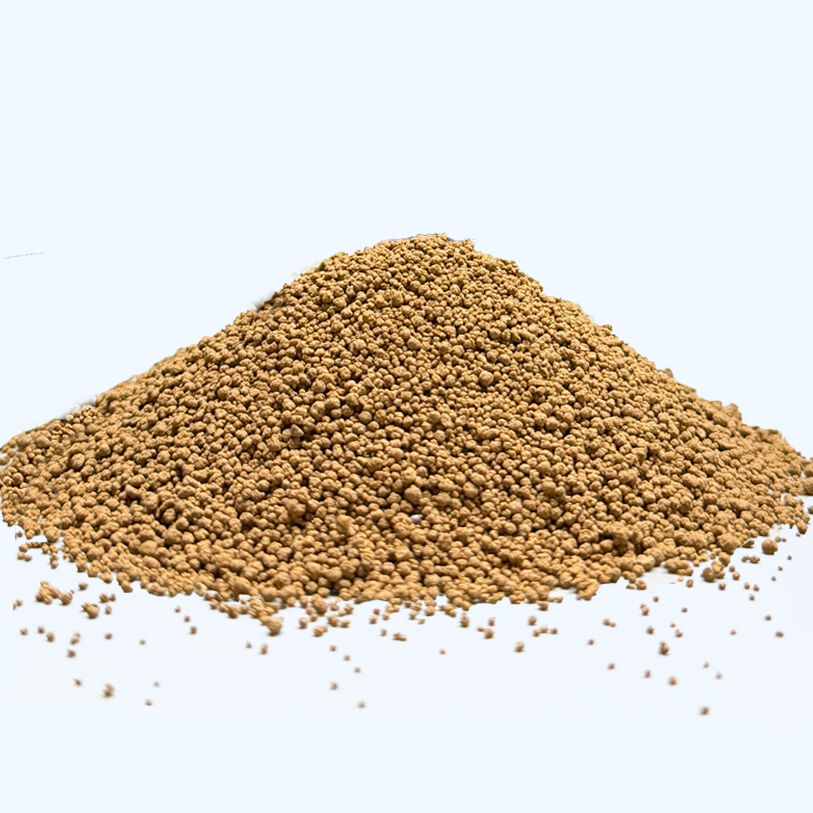
First, it’s essential to grasp what makes glutamic acid residue 70% effective. This product is rich in crude protein, amino acids, and trace elements, with a high digestibility rate that suits various livestock and aquaculture species. From my experience helping a medium sized swine farm optimize their feed, I found that many users overlook its amino acid composition. Glutamic acid residue is particularly high in glutamic acid, which enhances palatability and promotes intestinal health in animals. According to animal nutrition experts from the International Feed Industry Association, glutamic acid residue can replace part of expensive protein sources like fish meal, reducing feed costs without compromising nutrition. However, it’s important to note that its amino acid profile is not complete, so complementary ingredients are necessary to balance nutrition.
Optimize the Mixing Ratio for Different Animals
The mixing ratio of glutamic acid residue 70% varies by animal species and growth stages. For broilers in the fattening period, adding 8% - 12% glutamic acid residue to the feed can improve feed conversion rate and promote muscle growth. I once advised a poultry farm to adjust their ratio from 5% to 10%, and within a month, the average weight gain of their broilers increased by 10% while feed consumption decreased by 7%. For lactating sows, the appropriate ratio is 6% - 9% as it helps maintain milk production and supports the sow’s recovery. Aquatic animals like fish and shrimp also benefit from glutamic acid residue, with an ideal addition ratio of 10% - 15% in their feed. Experts from the World Aquaculture Society emphasize that the ratio must be tailored to the species’ digestive capacity, as excessive addition can lead to ammonia nitrogen accumulation in water or intestinal disorders in aquatic animals.
Pay Attention to Compatibility with Other Feed Ingredients
Glutamic acid residue works best when combined with the right complementary ingredients. It pairs well with energy feeds like corn and wheat bran, as well as mineral supplements such as dicalcium phosphate and tricalcium phosphate. These combinations not only balance nutrition but also enhance the absorption of nutrients. For example, mixing glutamic acid residue with corn gluten meal 60% can make up for the lack of certain essential amino acids, creating a more comprehensive protein source. I once helped a feed mill adjust their formula by combining 7% glutamic acid residue with 15% corn gluten meal, which resulted in improved growth performance in finishing pigs. It’s important to avoid mixing it with ingredients high in anti-nutritional factors, such as raw soybeans, as this can reduce its digestibility. The Feed Nutrition Research Institute suggests that pre treating such conflicting ingredients through heat processing can minimize negative interactions.
Master Proper Processing and Storage Methods
Processing and storage play a crucial role in preserving the effectiveness of glutamic acid residue 70%. During feed production, the product should be crushed to a particle size of 40 - 60 mesh to ensure uniform mixing and easy digestion by animals. I’ve encountered cases where large particles of glutamic acid residue led to uneven nutrient distribution, causing some animals to receive insufficient nutrition. The mixing time in feed processing equipment should be at least 15 minutes to ensure full integration with other ingredients. When it comes to storage, glutamic acid residue should be kept in a dry, well ventilated environment with a relative humidity below 60%. Moisture can cause caking and nutrient degradation. A feed mill I collaborated with once suffered losses due to improper storage, as their glutamic acid residue absorbed moisture and developed mold. Following storage guidelines from the National Feed Quality Standard can help maintain product quality for up to six months.
Adjust Usage Based on Animal Feedback and Actual Effects
To maximize the effect of glutamic acid residue, continuous monitoring and adjustment are necessary. After introducing the product into feed, observe the animals’ feeding behavior, growth rate, and health status. For instance, if poultry show reduced appetite, it may indicate an excessive addition ratio of glutamic acid residue, and lowering it by 2% - 3% usually resolves the issue. In aquaculture, regular water quality testing is important, as glutamic acid residue can affect ammonia levels if not properly utilized. I worked with an aquaculture base that noticed increased ammonia nitrogen in their ponds after using glutamic acid residue. By adjusting the ratio and adding probiotics to aid digestion, they successfully improved water quality and fish survival rate. Animal nutrition experts recommend conducting regular nutrient analysis of the feed and adjusting the proportion of glutamic acid residue based on the results to ensure optimal nutrition for animals at different growth stages.
In conclusion, maximizing the effect of glutamic acid residue 70% in feed applications requires a combination of understanding its characteristics, optimizing ratios, ensuring compatibility, mastering processing and storage, and monitoring actual effects. By following these scientific methods, feed producers and farmers can not only enhance animal growth performance and health but also reduce feed costs and improve overall breeding efficiency. Glutamic acid residue is a cost effective and nutrient rich feed ingredient, and with proper use, it can bring significant benefits to the livestock and aquaculture industries.
 EN
EN