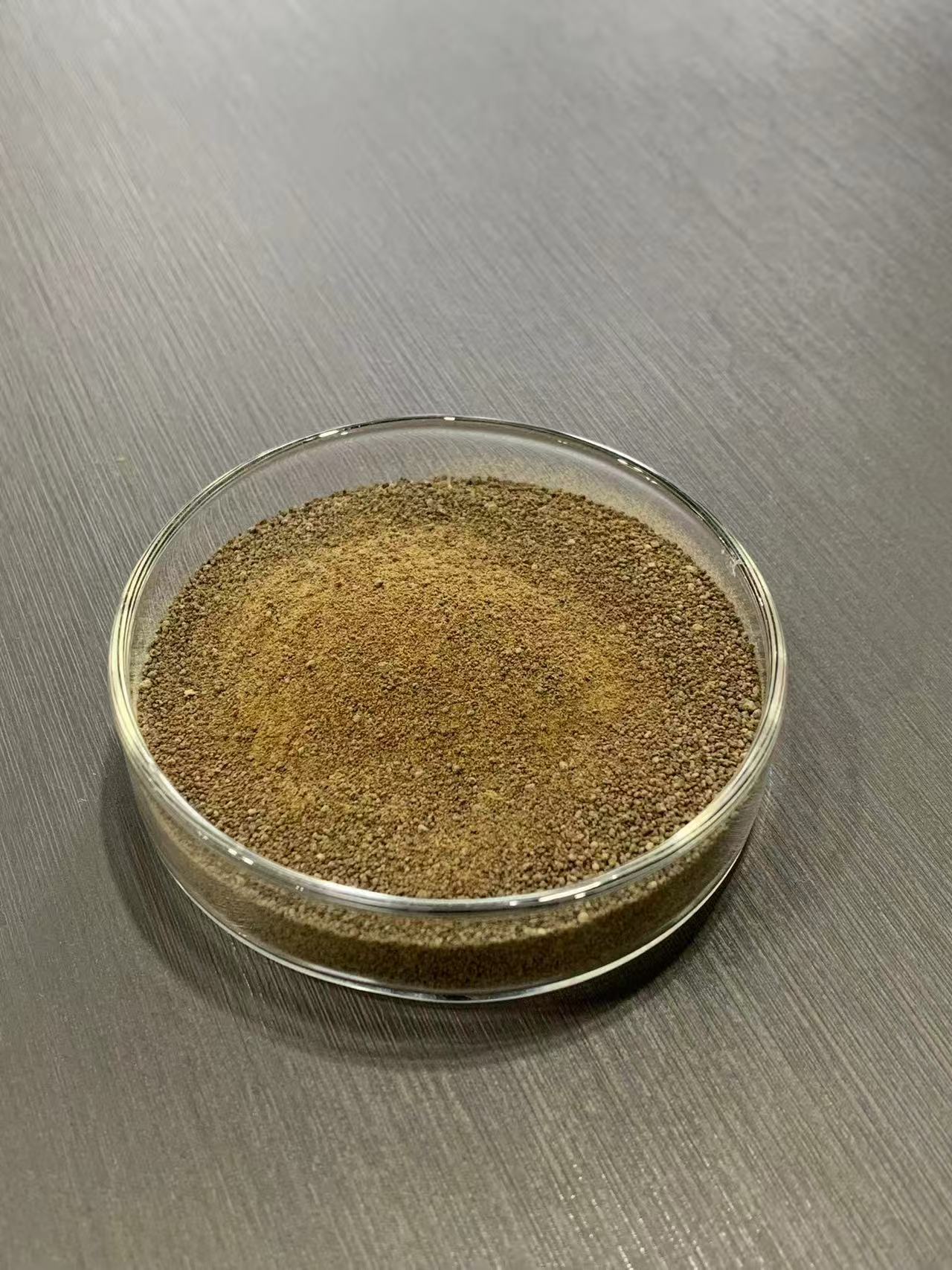
In the era of advocating sustainable agriculture, feed production is facing the dual pressure of environmental protection and efficiency improvement. Mycoprotein 70% has gradually emerged as a popular choice in the industry, and its excellent sustainability has been recognized by more and more feed manufacturers and farmers. As someone who has been engaged in the research and application of feed ingredients for many years, I have witnessed the positive changes that mycoprotein 70% has brought to many breeding enterprises. It is not only a simple protein supplement, but also a key link in promoting the green transformation of the feed industry. Interestingly, mycoprotein 70% and corn gluten meal, another high-quality protein raw material, have their own advantages in sustainable development, and together they contribute to the sustainable development of the feed industry.
Low Carbon Emission Production Process Reduces Environmental Pressure
The sustainability of mycoprotein 70% first manifests in its low-carbon production process. Unlike traditional protein feed raw materials that rely heavily on large-scale agricultural planting or animal breeding, mycoprotein 70% is produced through microbial fermentation technology. It uses agricultural and sideline products such as crop straw and corn processing by-products as fermentation substrates, which not only realizes the recycling of waste resources but also greatly reduces carbon emissions. I once cooperated with a feed factory that switched from relying mainly on soybean meal to using mycoprotein 70% as the main protein source. After statistics, the carbon emission per ton of feed produced by the factory decreased by 30% compared with before. According to the research data of the International Sustainable Feed Association, the carbon footprint of mycoprotein 70% in the production process is only 1/4 of that of soybean meal and 1/10 of that of fish meal. In addition, the water consumption during fermentation is far less than that of grain planting. For areas facing water shortages, it is an environmentally friendly choice that conforms to the concept of water conservation.
High Nutritional Utilization Rate Reduces Feed Waste
Sustainability in feed production is not only reflected in environmental protection but also in improving resource utilization efficiency. Mycoprotein 70% has a crude protein content of up to 70%, and its amino acid composition is balanced, including all essential amino acids required by animals. Moreover, its protein digestibility is as high as 85% or more, which is significantly higher than that of many plant proteins. In the process of helping a large-scale pig farm optimize the feed formula, we added 15% mycoprotein 70% and properly matched it with corn gluten meal. As a result, the feed conversion rate of finishing pigs increased by 18%, and the daily weight gain also increased significantly. Originally, each pig needed 3.2 kilograms of feed to gain 1 kilogram of weight, but after the formula adjustment, it only needed 2.6 kilograms. This means that less feed is used to achieve the same breeding effect, greatly reducing feed waste. Experts from the World Feed Nutrition Research Center point out that the high nutritional utilization rate of mycoprotein 70% can reduce the total amount of feed used in the breeding industry by 12%-15% per year, which is of great significance for saving grain resources.
Compatibility with Circular Agriculture Promotes Resource Recycling
Mycoprotein 70% has a high degree of compatibility with the development model of circular agriculture, which is an important reason for its sustainable development. The fermentation substrates used in its production are mostly agricultural wastes. After fermentation, the remaining residues can also be used as organic fertilizers to return to the field, forming a complete resource recycling chain. I know a cooperative that integrates planting, breeding and feed production. They use the corn straw and corn processing by-products produced in the planting process to produce mycoprotein 70%, and the fermentation residues are used to fertilize corn fields. At the same time, the manure of the raised livestock is also treated as organic fertilizer. This circular model not only reduces the purchase cost of feed raw materials and fertilizers but also solves the problem of agricultural waste disposal. The data released by the International Agricultural Circular Economy Alliance shows that the application of mycoprotein 70% in circular agriculture can increase the comprehensive utilization rate of agricultural resources by more than 40% and reduce the discharge of agricultural pollutants by 25% or more.
Stable Supply Chain Adapts to the Needs of Large-Scale Production
The sustainability of feed raw materials also requires a stable supply chain to support large-scale and continuous production. Mycoprotein 70% is produced through industrial fermentation, which is not affected by natural factors such as climate and land. As long as there is a stable supply of fermentation substrates, continuous production can be achieved. Compared with crops such as soybeans and corn, which are easily affected by drought, flood and other disasters, the production of mycoprotein 70% has stronger stability. During the period of tight global grain supply a few years ago, many feed factories that relied on imported soybean meal were forced to reduce production due to rising raw material prices and tight supply. However, a feed factory that had long-term used mycoprotein 70% as the main protein source was not affected. It maintained a stable production volume by purchasing local agricultural and sideline products as fermentation substrates. The Global Feed Industry Report points out that the stable supply capacity of mycoprotein 70% can effectively reduce the dependence of the feed industry on traditional grain crops and improve the anti-risk ability of the industry.
Compliance with Green Breeding Trends Meets Market Demand
With the improvement of consumers' awareness of food safety and environmental protection, the market has higher and higher requirements for breeding methods, and green and pollution-free animal products are more popular. The use of mycoprotein 70% in feed can help breeding enterprises achieve green breeding. Because of its high digestibility, it can reduce the nitrogen and phosphorus content in animal excreta, thereby reducing environmental pollution caused by breeding. In addition, mycoprotein 70% does not contain antibiotics, growth promoters and other harmful substances, and the animal products produced are safer and more reliable. A poultry farm that we cooperate with has been using mycoprotein 70% and corn gluten meal as the main protein sources in feed. After testing, the content of harmful substances in the eggs and chicken they produce is far lower than the national standard, and the product sales volume has increased by 30% in the market. Experts from the International Food Safety Association emphasize that mycoprotein 70% conforms to the development trend of green breeding, and its wide application will help the feed and breeding industry achieve high-quality development and meet the market's demand for safe and environmentally friendly animal products.
In conclusion, mycoprotein 70% has become a sustainable choice for modern feed production due to its low-carbon environmental protection production process, high nutritional utilization rate, compatibility with circular agriculture, stable supply chain and compliance with green breeding trends. In the process of promoting the sustainable development of the feed industry, it can also cooperate with high-quality protein raw materials such as corn gluten meal to complement each other's advantages and create more economic, social and environmental benefits. With the continuous progress of fermentation technology and the continuous improvement of the circular agriculture model, the application prospect of mycoprotein 70% will be broader, and it will make greater contributions to the green transformation and sustainable development of the global feed industry.
 EN
EN