
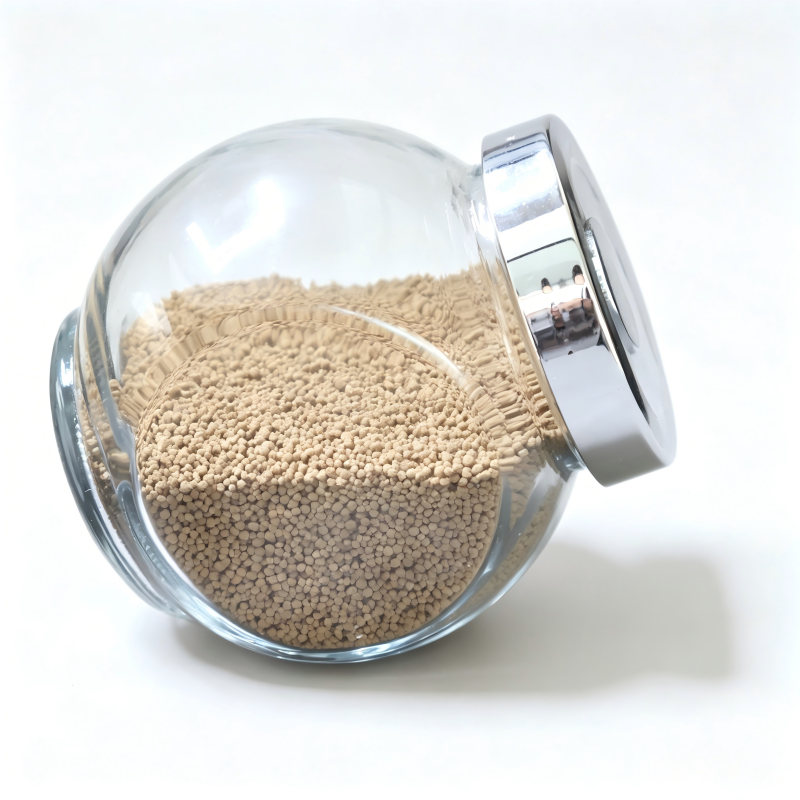
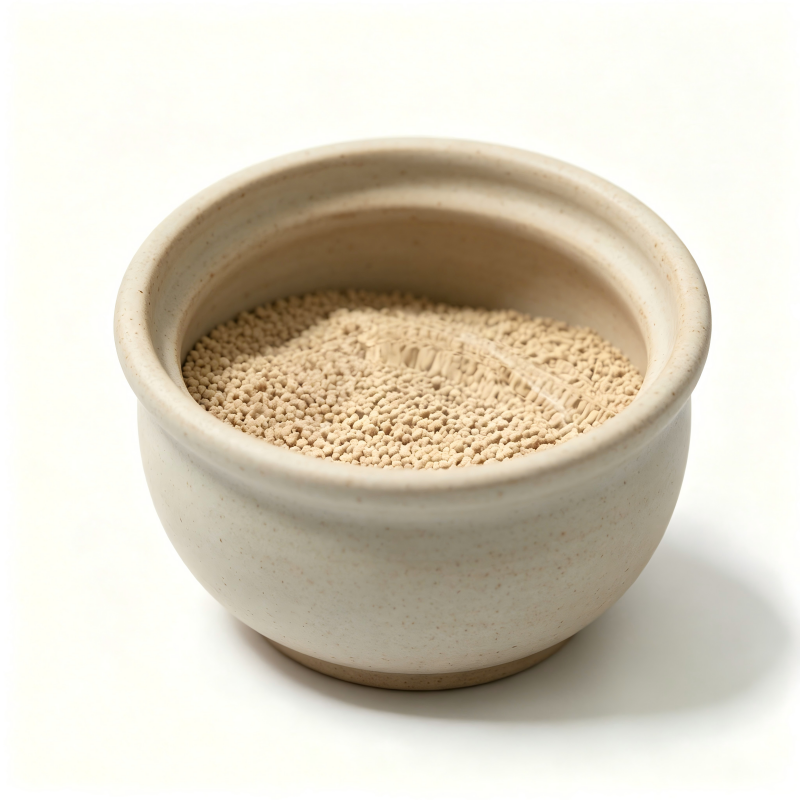
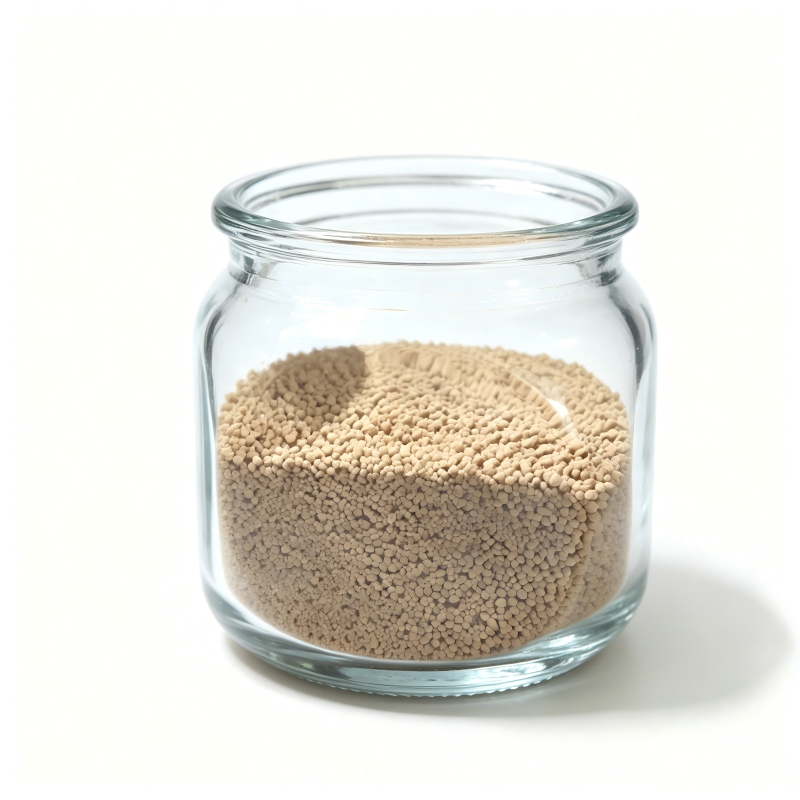
Mycoprotein 70% is a byproduct generated during the production of monosodium glutamate (MSG), consisting primarily of residual sodium glutamate, proteins, amino acids, and trace amounts of inorganic salts. This seemingly ordinary industrial waste material is, in fact, rich in nutritional components.
I. Feed Grade Glutamic Residue Specifications:
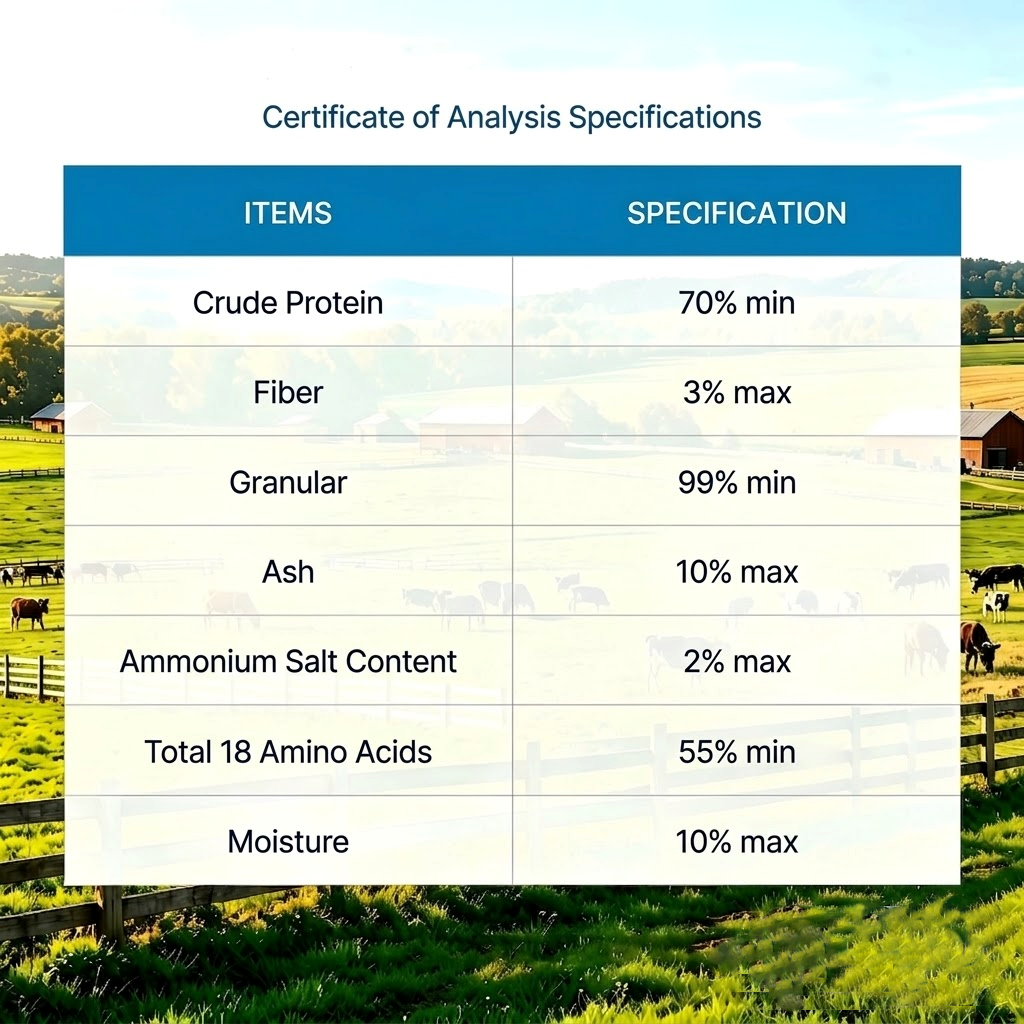
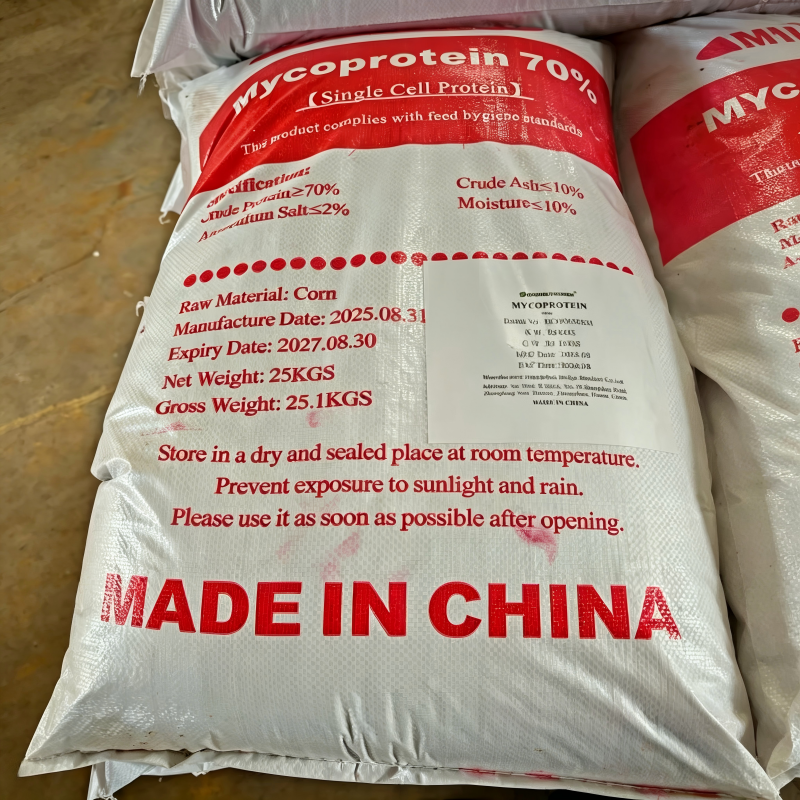
Crude protein content :70%.MIN
Contains 18 common amino acids.
Rich in mineral elements such as potassium and sodium.
Moisture content typically ranges between 10% and 15%.
II. A Nutritional Powerhouse in Animal Feed
Incorporating MSG residue into standard animal feed serves multiple beneficial functions:
Protein Supplementation: Mycoprotein 70% can partially replace expensive protein sources such as soybean meal and fish meal.
Improved Palatability: The presence of sodium glutamate stimulates animal appetite.
Cost Optimization: It is priced 30% to 40% lower than traditional protein raw materials.
Digestive Aid: Its small-molecule amino acids are more easily absorbed and utilized by the animal's body.
III. Unique Value in Aquaculture Feeds
For aquatic animals, MSG residue offers distinct advantages:
Outstanding Attractant Effect: Shrimp and crabs are highly sensitive to glutamate, resulting in a significant increase in feed intake.
Reduced Nitrogen Emissions: Its well-balanced amino acid profile helps minimize water pollution.
Enhanced Stress Resistance: Its high glutamate content helps alleviate stress responses, such as those associated with transportation.
Shell Development: It provides the amino sugar precursors necessary for the synthesis of chitin.

Typical Specifications
| Crude Protein | 70% min |
| Ammonium Salt | 2% max |
| Moisture | 8% max |
| Ash | 10% max |
| The sum of the 18 amino acids | 45% min |
Product Features and Benefits
High-Quality Protein Source: With a protein concentration of 70%, Mycoprotein 70% provides essential amino acids that support muscle growth, tissue repair, and overall health.
Excellent Digestibility: The protein is highly digestible, improving feed efficiency and nutrient absorption, leading to better growth and reduced waste.
Cost-Effective: Provides an affordable protein alternative to traditional sources like fishmeal and soybean meal.
Sustainable & Non-GMO: Produced through microbial fermentation, this product is a natural, eco-friendly protein source with minimal environmental impact.
Applications in Livestock Nutrition
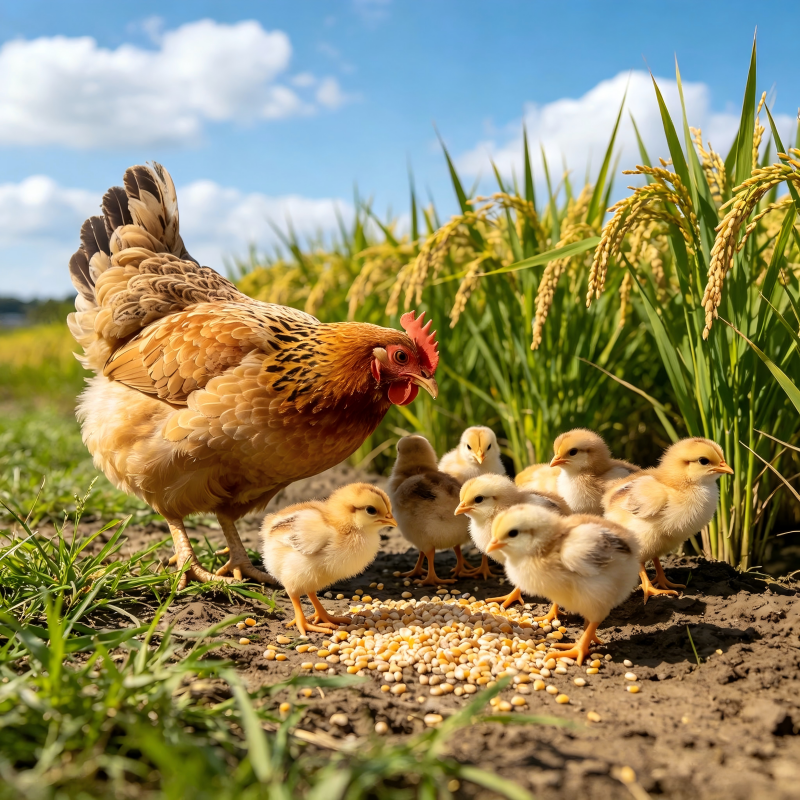
Poultry Feed: Mycoprotein 70% enhances muscle development, supports early growth, and improves feed conversion efficiency, resulting in higher productivity.
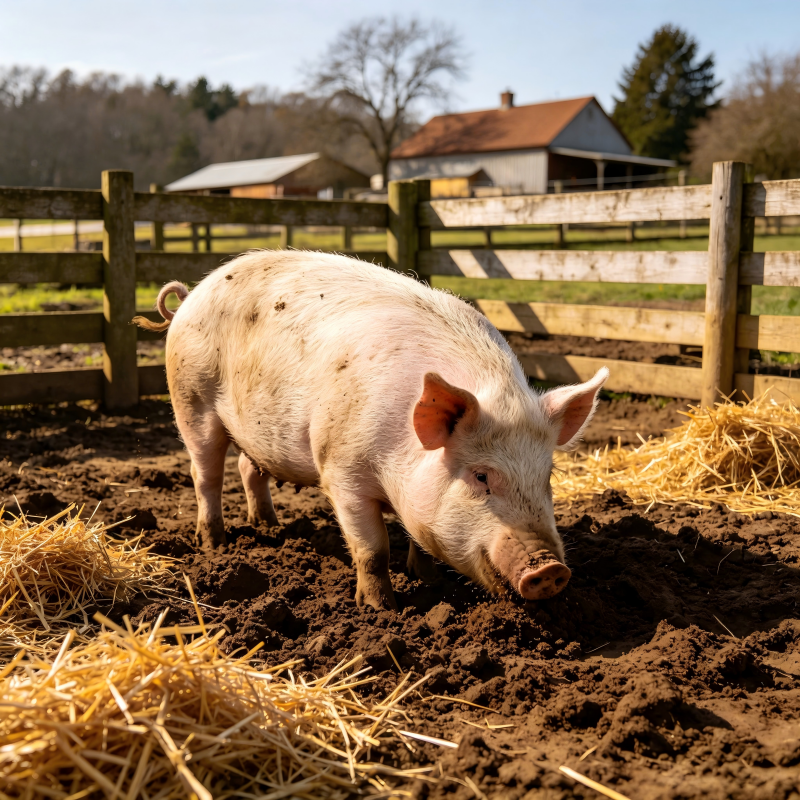
Swine Feed: Increases weight gain, supports digestive health, and improves feed utilization in both nursery and grower diets.
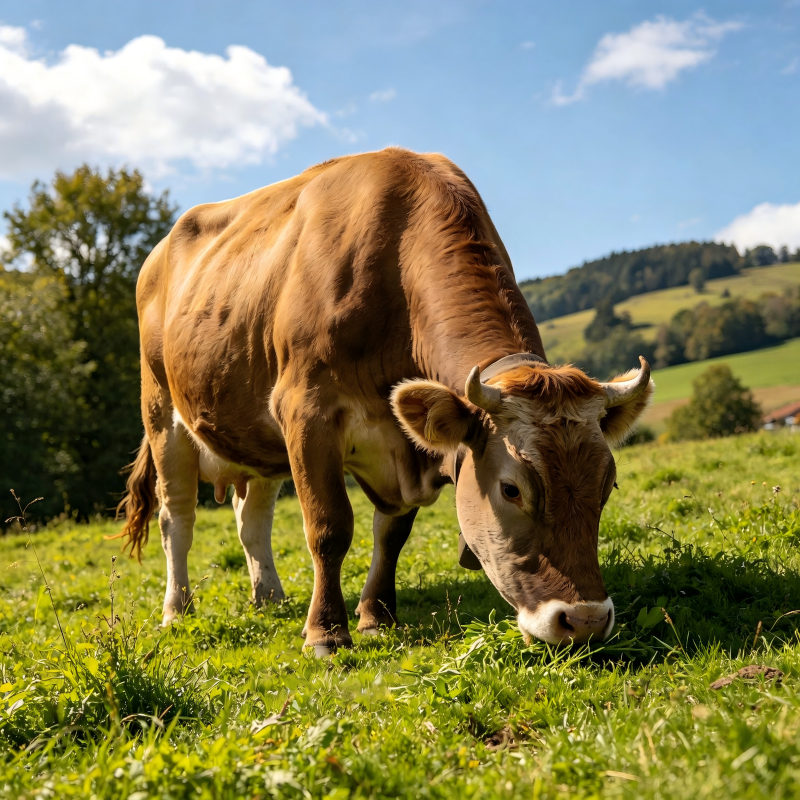
Ruminants: Provides easily digestible protein, improving milk production, weight gain, and overall feed efficiency.
Aquaculture Feed: Improves feed intake, promotes growth, and contributes to better water quality and overall fish health.
Feeding Recommendations
Poultry: 5–15% inclusion in broiler or layer diets.
Swine: 3–10% inclusion in nursery and grower diets.
Ruminants: 2–8% inclusion in dairy and beef cattle rations.
Aquaculture: 5–10% inclusion in fish and shrimp diets.
Why Choose Mycoprotein 70%
Digestible & Efficient: Maximizes nutrient absorption and supports animal growth.
Sustainable & Affordable: A cost-effective, eco-friendly alternative to traditional protein sources.
Supports Farm Productivity: Promotes better feed efficiency, growth, and health across multiple species.
Organic NPK 7-7-7
Potassium Fulvate
Sodium Humate

Monodicalcium Phosphate 21% (MDCP 21%)

Nucleotide Residue 70%
Chitosan Oligosaccharide 10%
 EN
EN