Currently, corn distillers' grains (DDGS) are widely used in feed. The author has added them to pig, chicken, and cattle feed formulations to varying degrees. If the quality of the DDGS is well controlled, its addition to feed can bring significant benefits.
Diesel dies have a medium to high protein content and are rich in B vitamins, making them suitable for use in combination with other feeds for cattle, pigs, and chickens.
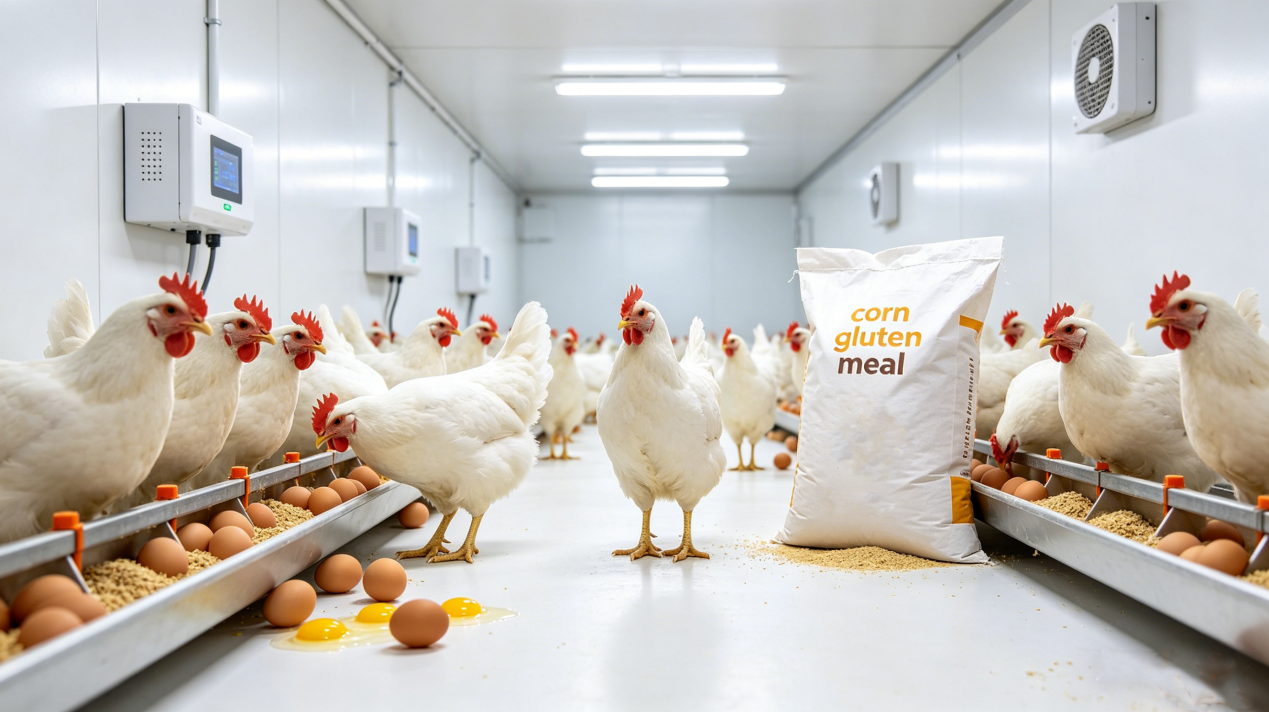
Main Reasons Affecting DDGS Quality:
(1) If the quality of the raw corn is poor, or if non-corn grains such as barley, wheat, and sorghum are used, the quality and nutritional components of the DDGS will be affected.
(2) The degree to which corn starch is converted into glucose or the degree of fermentation will affect the quality and nutritional components of the DDGS.
(3) The quality of the concentrated solubles and the amount of corn distillers' grains added will affect the quality of the DDGS. The temperature and time used in the drying process also vary greatly. Excessive heating will reduce the digestibility and utilization rate of protein and amino acids.
Key Points of Quality Control:
1) Heat denaturation index: Neutral detergent fiber (NDF) less than or equal to 32% is considered acceptable. Currently, the average NDF content of DDGS used in the domestic industry is 45%;
(2) Sensory requirements: light and bright color, preferably yellow. It should not contain small black particles. It should have a fermented aroma;
(3) DDS content: The DDS content in DDGS should be at least greater than 20%;
(4) Standard: High-quality DDGS has a protein content greater than 28%, fiber less than 8%, and fat content of 6-12%.
If need high-quality DDGS, please contact us.
 EN
EN