Currently, a vast majority of swine farms worldwide utilize corn-soybean meal-based diets. When compared against the amino acid requirements of pigs, lysine and methionine stand out as the first and second limiting amino acids, respectively, in such corn-soybean meal diets; consequently, their supplementation is frequently required.
The essential amino acids for pigs include lysine, methionine, tryptophan, phenylalanine, leucine, isoleucine, valine, and threonine. Soybean meal is rich in lysine and tryptophan, while corn contains relatively higher levels of methionine; therefore, combining corn and soybean meal allows for mutual amino acid complementarity, thereby achieving a superior nutritional balance.
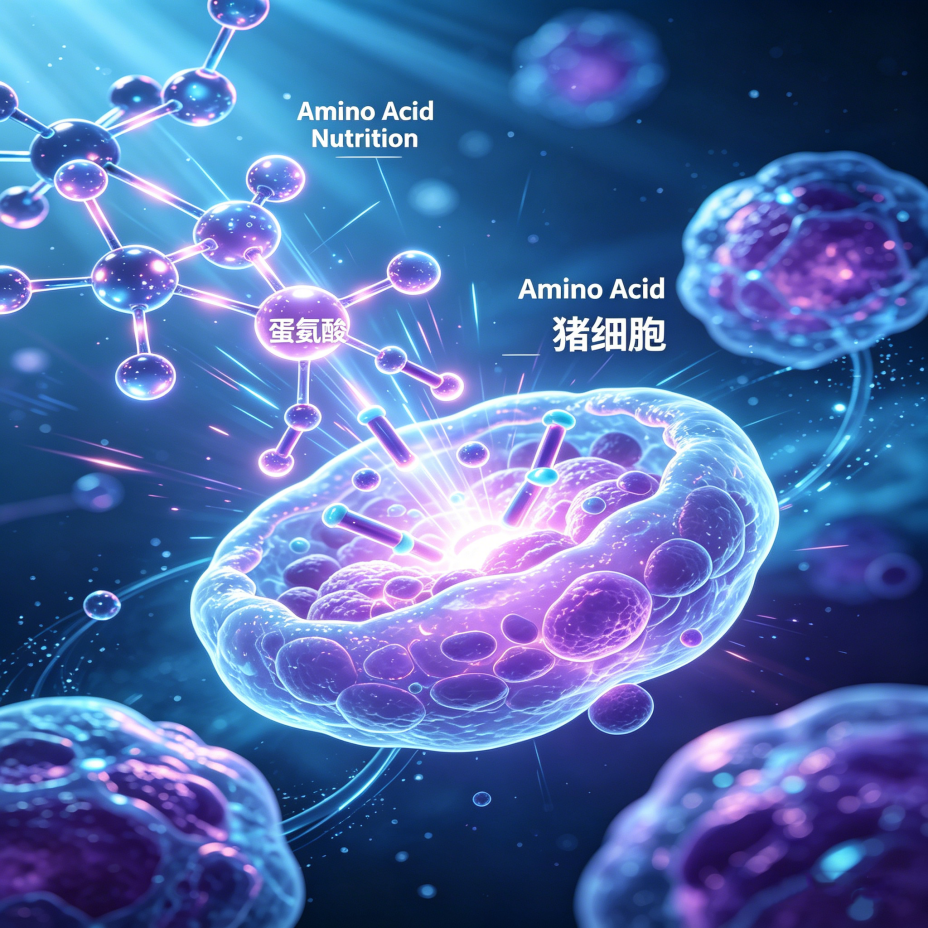
A deficiency in essential amino acids leads to a reduction in endogenous protein synthesis. This, in turn, triggers a cascade of issues regarding protein metabolism and the synthesis of related enzymes within the organism. The primary manifestation of such deficiencies is stunted growth, and in severe cases, it may even precipitate metabolic disorders.
Lysine is primarily utilized for protein deposition and plays a minimal role in metabolic regulatory processes. Methionine, conversely, serves a more complex function; in addition to contributing to protein deposition, it is intimately involved in the metabolism of sulfur-containing compounds within the organism. Furthermore, methionine can utilize its methyl groups to methylate toxic substances or pharmaceutical compounds, thereby facilitating detoxification.
 EN
EN