Corn is the most widely used, most product-developing, and largest-volume industrial raw material among grain crops. In my country, corn is mainly used to produce corn starch, corn alcohol, corn oil, and corn sugar. Different processing purposes result in different by-products.
Corn gluten meal, also known as corn gluten meal, is mainly composed of corn protein, containing small amounts of starch and fiber. It contains over 60% protein, sometimes as high as 70%, with the remainder being 20% starch and approximately 13% cellulose, vitamin A, and various other nutrients, as well as 15 kinds of inorganic salts. It is high in energy and protein, rich in methionine, cysteine, and leucine, and high in lutein, which is beneficial for egg and skin coloring. It is generally used only as feed. Compared with fishmeal and soybean meal commonly used in the feed industry, it contains fewer anti-nutritional factors and has better feed safety.
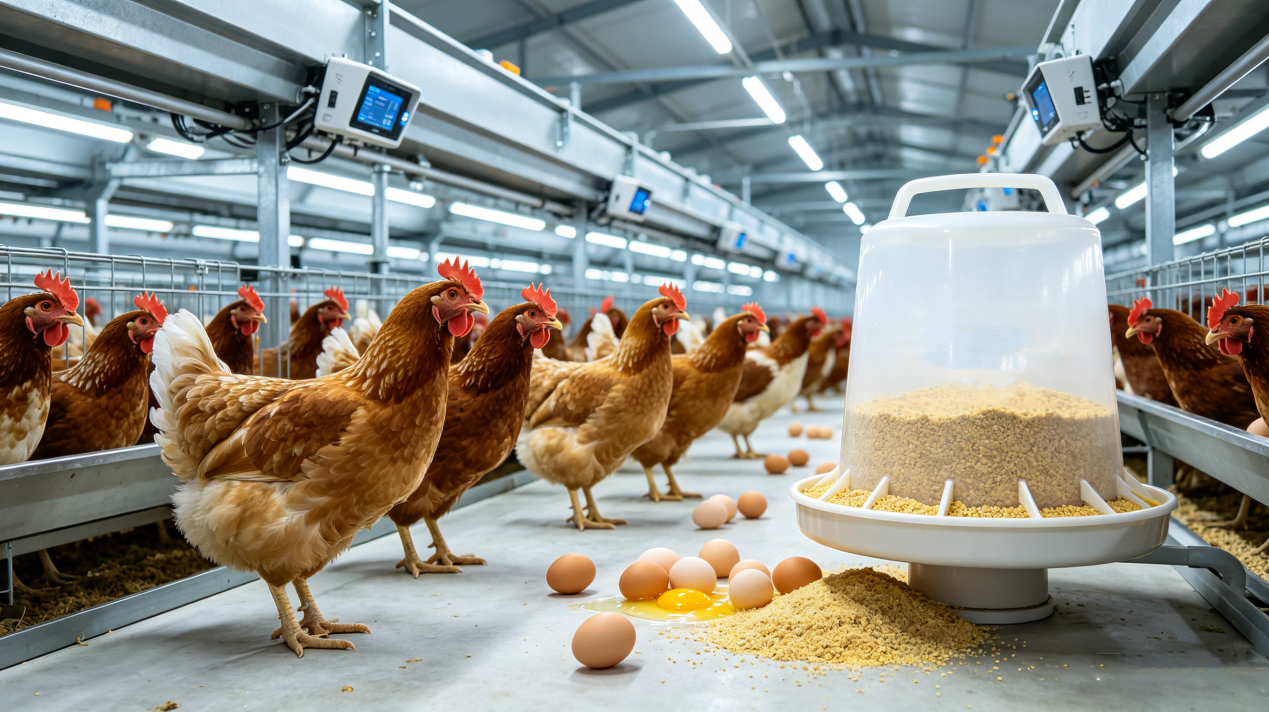
DDGS has a high protein content and is rich in B vitamins, vitamin E, minerals, and unknown growth factors. However, DDGS has a high CF content (12.5%), so its usage should be controlled when used in monogastric animal diets. Regarding protein quality, the absolute content of various essential amino acids in DDGS is higher than that in corn, but like corn, its amino acid balance is poor, and its utilization rate is slightly lower.
Corn germ meal and corn germ cake have a relatively balanced amino acid profile, with higher levels of lysine, tryptophan, and vitamins.
Corn gluten meal is high in protein and rich in amino acids. In a feed market where soybean meal and fishmeal are in short supply, it can be used to replace these protein feeds. Layer hen feeds primarily composed of corn gluten meal can increase egg production by about 15%. It can prevent rickets and other diseases in chickens, promoting health and growth, and improving egg protein quality. Corn gluten meal contains 90-180 mg/kg of lutein, more than five times that of yellow corn, and it is effectively absorbed. Corn gluten meal can be used to replace chemically synthesized colorants to improve the color of egg yolks and chicken meat.
 EN
EN